Today's Surf Conditions at Guincho
Spot Overview & Description
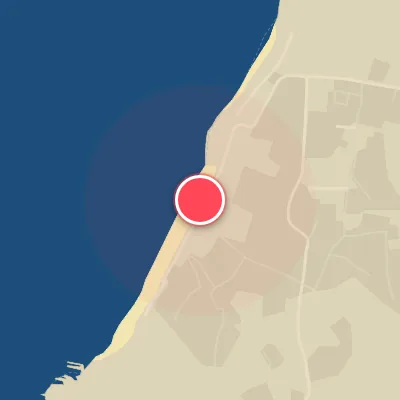
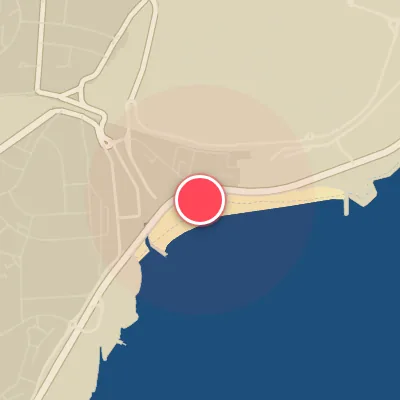
Stretching along a dramatic stretch of coastline, Praia do Guincho is the go-to open beach break for Lisbon’s local contingent whenever the city’s more sheltered spots go quiet. This exposed expanse rarely goes flat, delivering punchy lefts and rights over shifting sandbanks that can link up into long, hollow walls, especially when low tide aligns with the banks. The trade-off is extreme wind exposure—the same offshore breezes that groom the waves also make this a prime summer playground for windsurfers and kiteboarders.
Best Surf Season & Climatology
Best Surf Season (October - March)
The North Atlantic storm track is the engine for Guincho from October through March. Extratropical lows intensify near Newfoundland and Greenland, sending long-period WNW, NW and W groundswell toward the Portuguese coast. Average near-shore surf climbs from about 5.2ft (1.6m) in October to 7.2ft (2.2m) in January, with open-ocean swell averaging 6.6-8.5ft (2.0-2.6m) and periods of 11.4-13.0s. That is powerful, long-period surf by local standards, and the spot's W-NW exposure means NW and WNW swells arrive with plenty of energy. The limiting factor is wind: westerly onshore flow from WSW to NW is common with passing fronts, but when the NAO pattern supports easterly offshore flow from ENE to SE, Guincho can be clean and firing. Ideal wind occurs about 20-25 percent of the time in December, January, October and November, so the strategy is to chase the frontal windows and morning offshore breaks rather than assume every big swell is clean.
Detailed Surf Information for Guincho
Detailed Surf Forecast
Access our detailed 8-day swell and wind forecast charts for Guincho with tidal graphs, period ranges, and daily forecast text summaries.
Swell & Wind Statistics
Explore historical swell consistency, wave heights, and offshore wind windows month-by-month, compiled from over 40 years of data.
Historical Surf Report
Browse the historical database archives to view past wave reports and understand spot climatology during specific years and months.