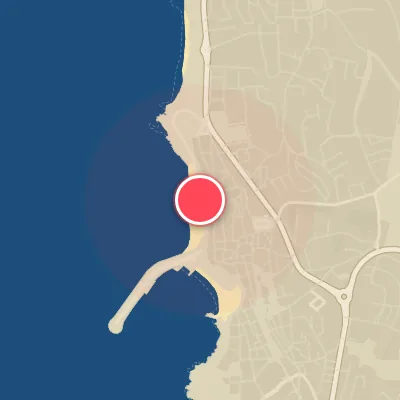

Today's Surf Conditions at Praia Grande
Spot Overview & Description
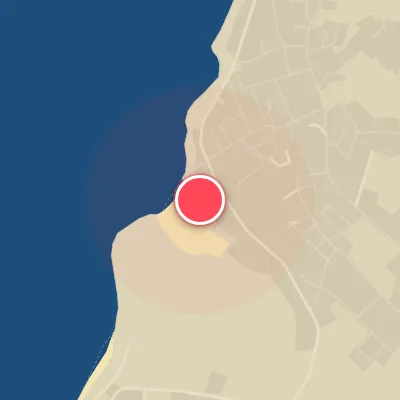
Praia Grande stands as one of the most reliable performers in the Lisbon region—a versatile, sand-bottom beachbreak serving up both lefts and rights in clean, open-water conditions. Its broad, exposed setup draws crowds whenever the swell arrives, but the payoff is consistent, rideable surf across a range of tides. At low tide, waves stretch into longer, mellower lines that can meander, offering plenty of time for drawn-out turns. As the tide pushes in, the energy compresses into faster, punchier shorebreaks—shorter waves that demand quicker reflexes and a more focused approach. Tucked against the northern end, a rocky headland shelters a handful of rights that rarely see a paddle-out, reserved for those willing to explore the margins.
Best Surf Season & Climatology
Best Surf Season (October - March)
The North Atlantic storm track takes over and Praia Grande lights up. With its west-northwest exposure, the beach lines up perfectly with the prevailing WNW, NW and NNW swell that rolls out of the mid-latitude cyclones. Average wave heights run from 6.5ft (2.0m) in October to 8.5ft (2.6m) in January, while periods hold between 11.4 and 13.0 seconds. This is the window for powerful, long-period groundswell. Better yet, the percentage of ideal offshore wind climbs to 18-24 percent, particularly from December through March, as high pressure over Iberia or offshore easterly drainage flow sets up clean surfaces. The combination of heavy Atlantic energy and east/southeast wind is what makes this stretch of Portuguese coast truly world-class.
Detailed Surf Information for Praia Grande
Detailed Surf Forecast
Access our detailed 8-day swell and wind forecast charts for Praia Grande with tidal graphs, period ranges, and daily forecast text summaries.
Swell & Wind Statistics
Explore historical swell consistency, wave heights, and offshore wind windows month-by-month, compiled from over 40 years of data.
Historical Surf Report
Browse the historical database archives to view past wave reports and understand spot climatology during specific years and months.