
Today's Surf Conditions at Malhao
Spot Overview & Description
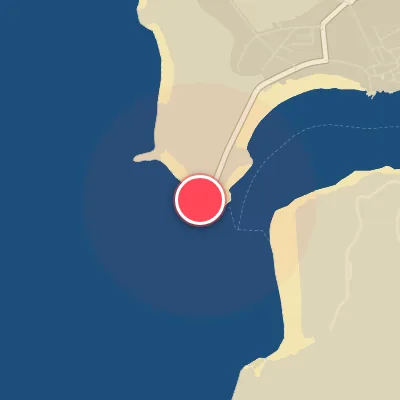
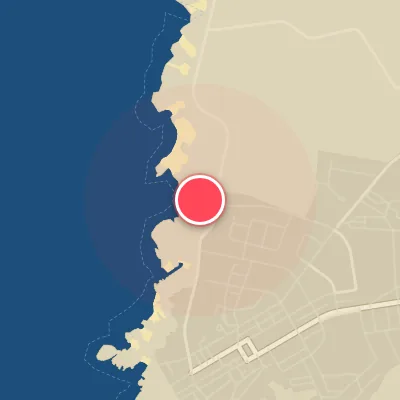
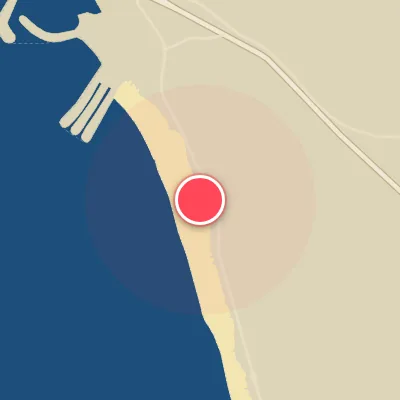
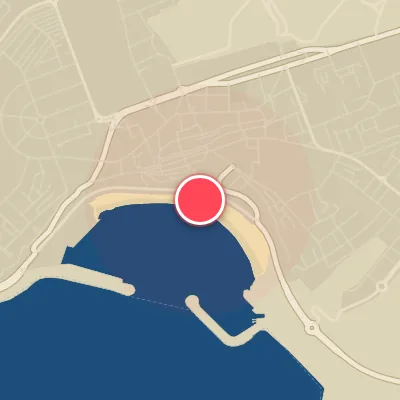
Stretching along a broad expanse of golden sand, Malhão stands as the most consistent and dependable wave in the region. This dynamic beachbreak delivers both lefts and rights, with shifting sandbars that can produce long, rippable walls—though a series of massive submerged rocks add a layer of hazard and require sharp situational awareness. The wave handles a wide range of tides and swells, but favors mid to low tide for cleaner shape. Despite its popularity, the lineup rarely feels crowded, as the sheer length of the break disperses the crowd and ensures plenty of waves for everyone. A versatile spot suited to intermediate to advanced surfers, Malhão is a must-visit for anyone seeking reliable, high-quality surf with room to roam.
Best Surf Season & Climatology
Best Surf Season (October - March)
The North Atlantic storm track is the engine that drives Malhao's winter surf. As the Azores High retreats toward the subtropics and the Icelandic Low deepens, extratropical cyclones march across the Atlantic toward Portugal, producing consistent long-period groundswell from the WNW and NW windows. From October through March, average surf heights hold between 1.8-2.4m (6-8ft), average periods range from 11-13s, and ideal wind frequency jumps to 34-47%. During positive NAO winters, the storm corridor points directly at Iberia and Malhao can be genuinely world-class. The cleanest days arrive when a strong low pushes long-period W/NW swell while continental ENE/E offshore flow keeps the west-facing sandbars glassy. This is the prime window for powerful, hollow, hallmark Malhao surf.
Detailed Surf Information for Malhao
Detailed Surf Forecast
Access our detailed 8-day swell and wind forecast charts for Malhao with tidal graphs, period ranges, and daily forecast text summaries.
Swell & Wind Statistics
Explore historical swell consistency, wave heights, and offshore wind windows month-by-month, compiled from over 40 years of data.
Historical Surf Report
Browse the historical database archives to view past wave reports and understand spot climatology during specific years and months.