Map
Map
Punta Banco
Today's Surf Conditions at Punta Banco
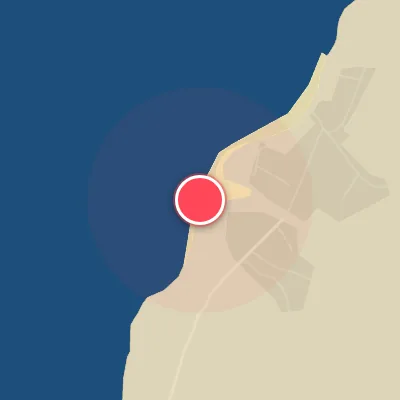
Spot Conditions Map
Hover over the hourly chart columns to update the wind & swell direction overlays on the map.
Today's Surf & Wind Forecast (Hourly)
Loading forecast text...
Best Surf Season & Climatology
Best Surf Season (March - May)
As the Intertropical Convergence Zone shifts north, Punta Banco enters its prime window. During March, average swell heights climb from 0.8m to 1.1m by May, while the wave period holds steady in the 13.6-14.1s range – delivering powerful, well-structured southern hemi groundswells. The wind machine turns in your favor too: ideal offshore flow from the north and east occurs 18-16% of the time, providing the cleanest morning glass. This is when long-period SSW swell meets light offshores, creating rippable walls and the occasional pumping 1.5m+ set. It's the sweet spot of size and quality.
Fair Surf Season (December - February & June - August)
Outside the peak, conditions are more of a mixed bag. December through February still see consistent SSW swell, but average heights drop to 0.7-0.8m, leaving you groveling on smaller, fun-sized waves. Offshore wind windows are a bit narrower (10-14%), and the frequent westerly winds can chop things up. Conversely, June through August deliver bigger swell – averaging 1.1m with plenty of 1-1.5m sets – but the trade-off is increased onshore flow from the west and northwest. Ideal wind sits at just 10-14%, so you'll need to be selective and hunt the early morning lulls. These months offer solid waves when the wind cooperates, but consistency isn't guaranteed.
Low Surf Season (September - November)
Punta Banco's toughest period arrives in the late summer and fall. Swell heights remain respectable at 1.0-1.1m, but the wave period drops slightly to 12.5-13.2s, and the predominant westerly winds become even more relentless. Ideal offshore flow plummets to a mere 7% across all three months, meaning most days are plagued by onshore to cross-onshore conditions. While the occasional passing cold front or tropical wave can briefly align the winds and swell direction, you'll spend much of your time battling bumpy, choppy surfaces. The surf is far from flat, but the quality is severely compromised. For the serious surfer, this is the season to wait patiently for those rare clean windows.
", "monthly_stats": { "january": "January: Small but Long-Peaking Southern Swells
January at Punta Banco is defined by a steady diet of long-period SSW swell. The average wave height sits at 0.7m – squarely in the small to fun-sized category – but the period averages 13.0s, giving those modest lines real push and shape. Over 90% of the swell falls in the 0.5-1m range, with only a tiny fraction reaching 1-1.5m. Swell direction is almost exclusively SSW (96.6%), which is right in the spot's sweet spot. The wind, however, is a mixed bag. While ideal offshore flow from the north and east only occurs about 11% of the time, the dominant westerly and northwesterly winds (WNW 24.3%, W 16.9%, NW 12.1%) are mostly onshore to cross-shore, often creating bumpy conditions. Your best bet is to catch the early morning windows when high pressure allows a north-northeast breeze to clean things up. Despite the small size, the excellent long-period groundswell makes it worth a paddle.
", "february": "February: Consistent SSW Groundswell with Slow Period
February mirrors January closely but with a slight uptick in period (13.3s) and a marginal increase in ideal wind frequency (14%). Average swell height remains 0.7m, and the swell direction is 96.8% from the SSW, ensuring that every wave wraps into the bay with purpose. The vast majority (91.4%) of the swell is in the 0.5-1m range, so you're still looking at groveling conditions most days. The wind pattern still favors the west-northwest (20.1% WNW, 14.0% W, 12.6% NW), which continues to be the primary obstacle. However, the slightly higher chance of offshore flow – mainly from the north and northeast – offers more frequent clean spells. Patience is key; when the wind shifts light offshore, those long-period lines turn into fun, peeling walls perfect for a longboard or fish.
", "march": "March: The Turn Toward Better Size and Cleaner Winds
March marks the beginning of Punta Banco's best window. Average swell height edges up to 0.8m, and the period jumps to 13.6s, the highest of the dry season. The swell composition shifts noticeably – while still dominated by SSW (98.6%), the proportion of 1-1.5m waves jumps to 16.2%, offering more rippable faces. Wind conditions improve as well, with ideal offshore flow reaching 18% – the highest of any month. Light northerly winds (especially from NW and N) become more common, and the strong westerly winds are slightly less dominant. This combination of increasing swell size and cleaner wind makes March a consistent month for quality surf. You'll find plenty of long-period, punchy waves that hold up well under a light offshore breeze.
", "april": "April: Peak Swell Size Arrives with Stil Stellar Period
April cranks up the volume. Average swell height rises to 0.9m, but the distribution tells a bigger story: 32.8% of the swell now sits in the 1-1.5m range, and a small slice (0.6%) pushes into the 1.5-2m pumping territory. Wave period peaks at 14.1s – the longest of the year – bringing very powerful groundswell with excellent shape. Swell direction remains a near perfect 99.7% from the SSW. Wind remains favorable, with ideal conditions 21% of the time, aided by a slight increase in north-northeast winds. Although westerlies still dominate, the increased frequency of offshore flow and the larger swell make April arguably the finest month for a surfer who wants both size and quality. Expect powerful, long-period waves with clean surfaces on many mornings.
", "may": "May: Full-On Southern Hemi Swell with Consistent 1m+ Sets
May continues the trend of solid surf. Average swell height reaches 1.1m, and the distribution shows 49.3% in the 1-1.5m range with 3.7% hitting 1.5-2m. Period remains long at 14.1s, keeping the energy and punch. Swell direction is overwhelmingly SSW (97.3%), with a touch more SW (2.6%) adding slight variety. The wind, however, starts to shift. Ideal offshore frequency drops to 16%, and the westerlies (WNW 19.3%, W 15.5%) strengthen slightly. The mornings still deliver clean conditions thanks to lingering land breezes, but the afternoons become more challenging with increased onshore flow. Despite the wind trade-off, the consistent fun-sized to solid waves (1-1.5m) and long periods make May a highly rewarding month, especially on a good tide.
", "june": "June: Bigger Swell, Tougher Wind Battle
June sees average swell heights hold at 1.1m, with 53.9% now in the 1-1.5m class and 3.5% in the 1.5-2m range. Period eases slightly to 13.8s, still delivering powerful waves. The swell remains 94.5% from SSW, while SW contributions increase to 4.8%, giving a bit more west in the mix. The wind becomes the main talking point: ideal offshore conditions fall to 14%, and the westerly quadrant (WNW 20.7%, W 16.9%) firms up its grip. This means more onshore wind during peak hours, but early mornings often present a window of light northerlies before the seabreeze kicks in. You'll need to pick your sessions wisely, but when you find a clean early lineup, the waves are solid and organized, offering good power and length.
", "july": "July: Summer Sizzle with Consistent Fun Waves
July maintains the summer pattern: average height 1.1m, period 13.4s, and swell direction 97.5% from SSW, with a slight uptick in SW energy (1.8%). The wave size distribution is robust – 51.9% in the 1-1.5m range and 3.9% pumping at 1.5-2m. The fly in the ointment is wind: ideal conditions drop to 13%, and the westerlies (WNW 18.8%, W 16.7%) remain dominant. The north-northeast offshore flow that creates cleanest conditions is scarce. That said, July often benefits from the "Papagayo" winds – a seasonal gap wind that can funnel strong northeasterlies offshore, especially near the Gulf of Papagayo to the north. While Punta Banco is not directly in the core of that wind, occasional pulses can deliver remarkable morning glass. Expect warm water and consistent shoulder-high waves, with the occasional bigger set when a Southern Ocean storm lines up.
", "august": "August: Peak Swell Season with Increasing Wind Challenge
August offers some of the biggest average swell of the year – still 1.1m, but with 58.3% of wave energy in the 1-1.5m class and 3.5% in the 1.5-2m range. The SW component (3.3%) is at its highest so far, adding a more westerly angle that can wrap differently into the bay. Period holds at 13.3s, keeping long period punch. The downside is that the ideal wind window narrows further to 10%. The dominant westerly and northwesterly winds (WNW 21.7%, W 18.4%) are formidable, often blowing steadily onshore by late morning. Look for the rare days when a cold front sweeps through, bringing cooler air and a shift to north or northeast winds. These windows are brief but can produce epic conditions with clean, hollow waves. August requires patience and flexibility.
", "september": "September: Deep into the Wet Season – Tough Wind, but Still Plenty of Swell
September sees the average swell height hold at 1.1m, with 56.2% in the 1-1.5m range and 3.2% in the 1.5-2m class. The swell direction widens a bit: SSW drops to 92.7%, but SW jumps to 7.1%, offering more variety. Period dips to 13.2s, still powerful. The wind, however, becomes the main obstacle. Ideal offshore conditions plummet to just 7%, the lowest of the year alongside October and November. Westerly winds (WNW 25.7%, W 21.4) dominate strongly, often exceeding 20 kph, creating challenging chop. The few clean days usually come from the passage of a tropical wave that temporarily ushers in north or east winds. While the swell is consistent and in the fun size, the wind is a major limiting factor. This month is best for the dedicated local who knows the most protected corners of the beach.
", "october": "October: Transition Month – Swell Holds, Wind Continues to Struggle
October maintains an average swell height of 1.1m, but the distribution begins to shift: 49.2% in the 1-1.5m range and 1.7% in the 1.5-2m category. The swell direction shows a significant increase in SW (12.7%), meaning more mixed direction sets. The period falls to 12.9s – still long but slightly less regimented. The wind remains poor, with only 7% ideal windows. The prevailing westerlies (WNW 23.5%, W 22.8%) are at their peak strength, often producing messy, wind-affected surf. The increased SW swell can sometimes offer better protection from the west wind, but overall quality is low. Early mornings may provide brief windows, but by 9 AM the breeze is usually up. October is a month to watch for the occasional big swell from a distant storm that aligns with a north wind event – those days are rare but memorable.
", "november": "November: The Start of the Recovery – Smoother Swell, Still Fickle Wind
November sees a slight drop in average swell height to 1.0m, with 39.5% in the 1-1.5m range and only 0.9% reaching 1.5-2m. The period slips to 12.5s, the lowest of the year, making waves slightly less organized. Swell direction is 95.2% from SSW, with 4.7% from SW. Wind conditions remain tough, with ideal offshore opportunities at just 7%. Westerly winds (WNW 19.8%, W 21.4%) are still dominant, but there are signs of change – the frequency of north winds (N, NNE) starts to tick up slightly as the winter season approaches. This month can be transitional: some years offer a few early dry-season north wind events that clean up the surf. When that happens, the SW groundswell (though a bit shorter period) can provide fun, punchy rides. Patience remains key.
", "december": "December: Return to Small, Clean Windows
December brings a notable drop in average swell height to 0.8m, with 85.4% in the 0.5-1m range and 13% in the 1-1.5m class. Period recovers to 12.7s – still good. Swell direction is almost exclusively SSW (98.9%) with a tiny SW component. The wind situation starts to improve: ideal conditions rise to 10%, and the strong westerlies (WNW 25.6%, W 18.7%) begin to weaken slightly. The north-northwest and north winds become more common, offering more clean morning sessions. While the waves are smaller, the increased frequency of offshore flow and the consistent long-period swell make for glassy, fun-sized surf. It's a great month for stepping down to a groveler or longboard and scoring clean lines without the crowds. The surf is building toward the best season.
" } }Detailed Surf Information for Punta Banco
Detailed Surf Forecast
Access our detailed 8-day swell and wind forecast charts for Punta Banco with tidal graphs, period ranges, and daily forecast text summaries.
Swell & Wind Statistics
Explore historical swell consistency, wave heights, and offshore wind windows month-by-month, compiled from over 40 years of data.
Historical Surf Report
Browse the historical database archives to view past wave reports and understand spot climatology during specific years and months.