Map
Map
Rossnowlagh
Today's Surf Conditions at Rossnowlagh
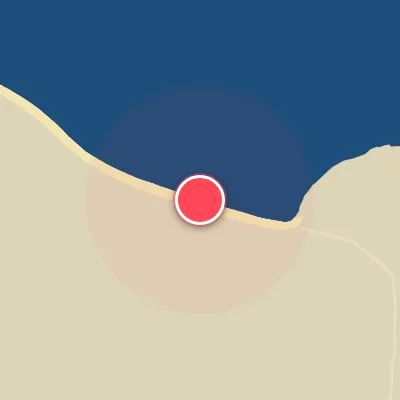
Spot Conditions Map
Hover over the hourly chart columns to update the wind & swell direction overlays on the map.
Today's Surf & Wind Forecast (Hourly)
Loading forecast text...
Spot Overview & Description
Nestled deep within the sweeping embrace of Donegal Bay, Rossnowlagh unfurls its sandy carpet for over three kilometers, offering a gentle, forgiving introduction to Atlantic surf. The vibe here is blissfully laid-back—more beach day than battle zone—making it a perennial favorite for families, beginners, and anyone craving a mellow session in the salt. Parking is easy in the main town lot; while you can park on the beach, it's best avoided when the tide starts to push in. The waves here are softer and less punchy than those at neighboring breaks, which is exactly the point. Expect clean, rolling peaks that stand up nicely at mid to high tide, offering fun lefts and rights that peel across a sandy, user-friendly bottom. Wave heights typically range from knee to head high (0.5 to 2.1 meters), with the most consistent shape forming around the south end near the cliffs, where the rip can channel you into a sweet takeoff zone. The magic happens with southwesterly to northwesterly swells—west is optimal—and the break can handle anything from about 4 to 7 feet (1.2 to 2.1 meters). Whether you're on a longboard, funboard, fish, or shortboard, you'll find something to ride any season: summer, autumn, winter, or spring. On sunny weekends, the beach can get busy, but the crowd is well spread out along the long shoreline, so it rarely feels cramped. The atmosphere remains friendly and happy-go-lucky, perfect for kids and beginners finding their footing. Just keep one eye on the horizon and the other on the sand—weeverfish hide in the shallows, and the rip currents near the southern cliffs demand respect. A classic, low-key Irish gem that rewards patience with pure, uncomplicated fun.
Best Surf Season & Climatology
Best Surf Season (October - March)
The North Atlantic fires on all cylinders from October through March, delivering a consistent barrage of powerful, long-period groundswells to this west-facing stretch of Irish coastline. Average swell heights range from 1.3m to 1.8m with periods pushing well into the 11-13s zone, often flirting with the epic threshold above 19s during robust storm tracks. The dominant swell directions from W and WNW align perfectly with the beach's exposure, producing clean, rippable waves when the wind cooperates. Offshore winds from the east quadrant (E, ENE, ESE) are present roughly 25-27% of the time, often linked to high-pressure systems settling over Scandinavia or the North Sea, creating prime conditions behind cold fronts. These months are prime time for pumping, firing surf in the 1.5-2.5m range, with occasional XL days north of 2.5m for the charging crew.
Fair Surf Season (April & September)
April and September act as transitional windows. April sees the highest ideal wind percentage of the year (33%) thanks to lingering spring high pressure, but average swell drops to 1.1m with periods around 10.7s – still solid, fun-sized waves when the fetch aligns. Swell from W and WNW dominates, but the mix of smaller groundswell and occasional windswell keeps things rippable on good days. September marks the awakening of the North Atlantic as hurricane remnants and early autumn lows start to fire, lifting average swell to 1.1m and period to 10.2s. Ideal wind drops to 23% as the jet stream begins its southward migration, but the windows of clean, long-period swell become more frequent, offering powerful sessions before winter chaos sets in.
Low Surf Season (May - August)
From May through August, the surf dials way down as the North Atlantic storm track retreats northward and the Azores High dominates. Average swell heights hover around 0.8-0.9m with periods dipping into the 8.5-9.6s range – mostly short-period, choppy, messy windswell unless a rare southerly low spins up. The dominant swell directions remain W and WNW, but the lack of consistent strong fetch means waves are often small, fun-sized at best, with plenty of micro days under 0.5m. Onshore winds from the SW-W quadrant are frequent, with ideal offshore wind percentages plummeting to 16-21%, especially in July and August. Occasional summer cold fronts can still produce a clean, punchy session, but consistency is poor. This is the season for groveling on a log or exploring other activities.
Detailed Surf Information for Rossnowlagh
Detailed Surf Forecast
Access our detailed 8-day swell and wind forecast charts for Rossnowlagh with tidal graphs, period ranges, and daily forecast text summaries.
Swell & Wind Statistics
Explore historical swell consistency, wave heights, and offshore wind windows month-by-month, compiled from over 40 years of data.
Historical Surf Report
Browse the historical database archives to view past wave reports and understand spot climatology during specific years and months.