Map
Map
Salsa Brava
Today's Surf Conditions at Salsa Brava
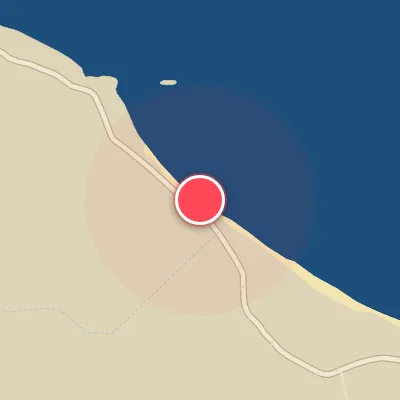
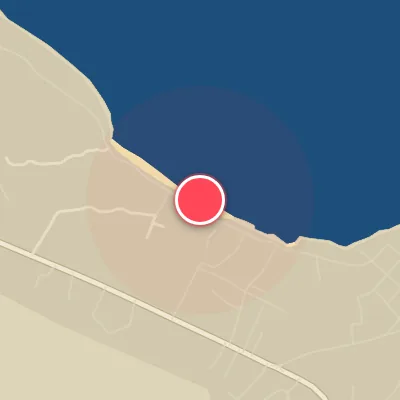
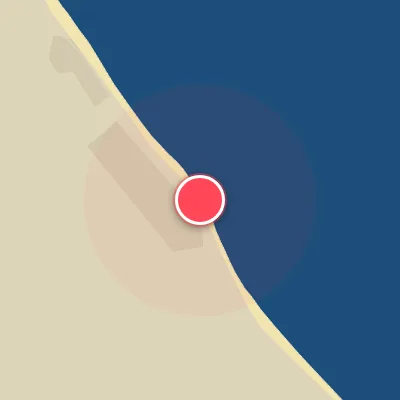
Spot Conditions Map
Hover over the hourly chart columns to update the wind & swell direction overlays on the map.
Today's Surf & Wind Forecast (Hourly)
Loading forecast text...
Spot Overview & Description
Salsa Brava is a heavy-hitting Caribbean reef break that commands respect from the moment you lay eyes on its corrugated, shallow take-off zone. Located along Costa Rica’s exposed eastern coast, this wave is no secret—it’s a fabled proving ground for experienced surfers who crave raw power, thick barrels, and the kind of consequence that keeps your reflexes sharp. The wave is generated by a complex corral reef, producing steep, grinding lefts that unload with authority. Swell arrives primarily from the Northeast, though Southeast pulses can also get the job done, bringing wave heights that consistently hold between 5 and 10 feet (1.5 to 3 meters) – head-high to double-overhead. Two distinct peaks define the lineup: First Peak, a tight, ultra-competitive zone reserved for experts who can read the reef and paddle deep, and Second Peak, which offers slightly less congestion but still demands a high level of skill. Tides are negotiable—low, mid, and high all produce ridable conditions, though wind from the south is key to keeping the surface clean. Paddling out, expect a strong local presence and a crowd that swells when the charts light up. For those willing to venture farther, Long Shoal on the outer reef offers even steeper drops and more critical sections. If the main break feels too intense, El Barco to the south can serve up more forgiving waves during high tide. A shortboard is the tool of choice here—anything less will leave you struggling to get in early and escape the vortex. The best windows arrive during summer and winter, when strong Caribbean trade winds dial in the conditions and this infamous slab fires. Salsa Brava is a crucible; it rewards precision, commitment, and a healthy respect for the reef.
Best Surf Season & Climatology
Best Surf Season (December - March)
The heart of winter breathes life into Salsa Brava, with the North Pacific's storm track occasionally shifting southward. This is when we see the highest average swell heights and the most favorable wind windows. From December through March, a 1.0-1.5m average swell with 8-8.5s periods delivers clean, punchy waves, though direction remains a challenge – the dominant ENE swell is somewhat blocked by the north-facing coast. Still, when a cold front sweeps through, it can flip the wind to offshore southerlies and align short-period north pulses. The wind is ideal for surfing 20-37% of the time, making this the most consistent period for good conditions.
Fair Surf Season (April & November)
As the trades relax and the ITCZ begins its migration, April and November offer transitional windows. April sees a slight drop in swell energy (1.0m, 7.6s) but wind quality remains decent at 32% ideal. November, on the other hand, delivers more frequent north swell (NNE and NE contributions around 15%) but ideal wind plummets to 14% as onshore breezes strengthen. These months can still produce fun sessions, especially during passing frontal boundaries that temporarily align the elements.
Low Surf Season (May - October)
From May through October, the Intertropical Convergence Zone dominates Central America, locking in persistent onshore trade winds from the north and northeast. Salsa Brava bears the brunt of this pattern – average swell heights tumble below 1.0m and wave periods shorten to 7-8 seconds, resulting in weak, choppy conditions. The wind is ideal for surfing only 13-20% of the time, and when it does go offshore, it's usually accompanied by small, groveling waves. The rare exception comes in late September and early October when distant tropical storms might infuse a burst of longer-period energy, but generally, this is a time to travel or watch the forecast closely.
Detailed Surf Information for Salsa Brava
Detailed Surf Forecast
Access our detailed 8-day swell and wind forecast charts for Salsa Brava with tidal graphs, period ranges, and daily forecast text summaries.
Swell & Wind Statistics
Explore historical swell consistency, wave heights, and offshore wind windows month-by-month, compiled from over 40 years of data.
Historical Surf Report
Browse the historical database archives to view past wave reports and understand spot climatology during specific years and months.