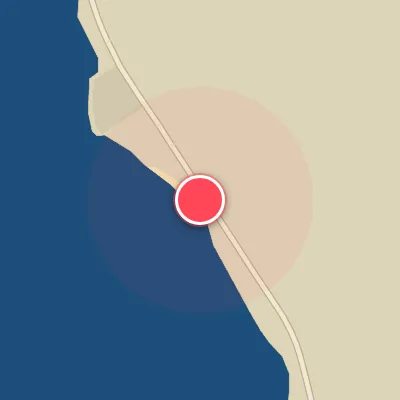
Map
Map
Shoals Point
Today's Surf Conditions at Shoals Point
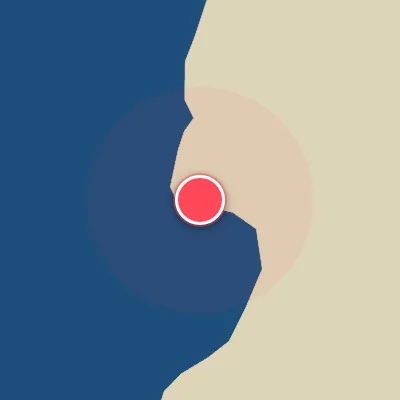
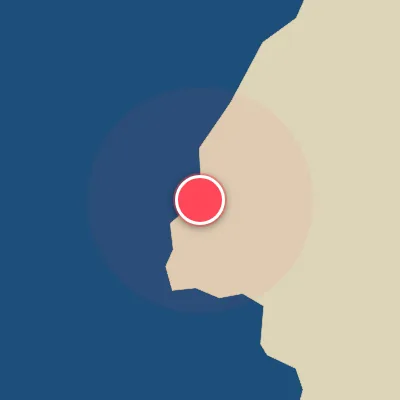
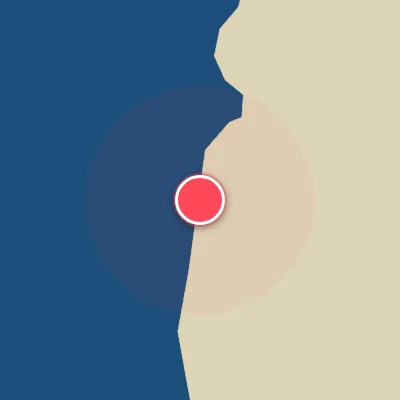
Spot Conditions Map
Hover over the hourly chart columns to update the wind & swell direction overlays on the map.
Today's Surf & Wind Forecast (Hourly)
Loading forecast text...
Spot Overview & Description
Shoals Point is a right-hand point break that peels over a rugged, grizzled lava reef, offering a raw and demanding ride. When there's size, the wave packs a serious punch, delivering a powerful, hollow feel that demands respect. Once it pushes overhead, the takeoff gets steep and the lineup tight, conditions turning sketchy for all but the most experienced. This spot is not for the faint of heart—it requires strong paddling, quick reflexes, and a deep understanding of shifting currents over the uneven bottom. Best on a medium to high tide, with a clean south swell and light east winds to keep the surface manageable.
Best Surf Season & Climatology
Best Surf Season (March - May & September - October)
At Shoals Point, the surf calendar is a balancing act between size and cleanness. The best windows come during spring and fall when the North Atlantic still pumps out decent groundswells, but the wind regime shifts favorably. In March and April, average swell heights hover around 2.2-2.4m with solid periods (10-11s), and offshore flow from the NW quadrant becomes more frequent (20-26% ideal wind). May follows with cleaner conditions (36% ideal) but smaller averages (1.7m), often providing fun, rippable waves. September and October are the fall peak: September boasts 31% ideal wind and 1.9m of punchy swell, while October kicks up to 2.5m. The dominant swell direction is from the SW and WSW, which, while not directly optimal for this SE-facing beach, still wraps in with enough energy to create rideable walls, especially when a stiff NW breeze grooms the faces. Keep an eye on the NAO – a negative phase can steer more nor'easters your way, delivering rare but epic E/SE swells that truly light up the point.
Fair Surf Season (November - February)
Winter roars in with the biggest swells of the year – November averages 2.8m, December 3.0m, January 2.9m, and February 2.7m, all with long periods (11-12s). This is prime groundswell territory, but the trade-off is persistent onshore wind. The dominant wind direction shifts to E/SE (40%+ of the time), blowing straight into the beach and turning those powerful lines into choppy, blown-out messes. Ideal offshore wind drops to just 14-18%. Still, there are windows. When a deep low pressure system tracks north and a cold front sweeps through, expect a brief pulse of WNW to NW wind that can clean up the swell for a few hours. These are the sessions to watch – heavy, pumping waves (1.5-2.5m+), but you need to be ready to drop everything. February offers a slight uptick in offshore frequency (18%) and more N/NNE swell, which can wrap in from the corner.
Low Surf Season (June - August)
Summer at Shoals Point is all about consistency of conditions, not size. The swell drops to an average of 1.3-1.4m with periods around 10s, meaning predominantly small, groveling waves. However, the wind pattern is the best of the year: ideal offshore flow from the NW and WNW dominates (43-46% of the time), resulting in countless clean, glassy mornings. The main swell source is the SW quadrant, which produces weak, long-period background swell. While you won't find any overhead barrels, the fun-sized 0.5-1.5m waves are perfect for longboards, fish, or a cheeky summer quad. Hurricane swells from the SE/SSE are the wildcard – rare but capable of bringing 1.5-2m bombs with clean offshore winds. Overall, summer is a low-surf season in terms of power, but high in surfable days if you're happy to ride small waves.
Detailed Surf Information for Shoals Point
Detailed Surf Forecast
Access our detailed 8-day swell and wind forecast charts for Shoals Point with tidal graphs, period ranges, and daily forecast text summaries.
Swell & Wind Statistics
Explore historical swell consistency, wave heights, and offshore wind windows month-by-month, compiled from over 40 years of data.
Historical Surf Report
Browse the historical database archives to view past wave reports and understand spot climatology during specific years and months.