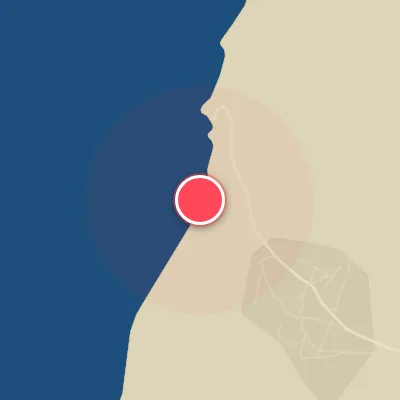
Map
Map
Sidi Ifni
Today's Surf Conditions at Sidi Ifni
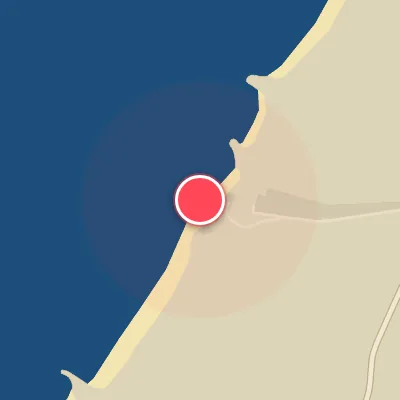
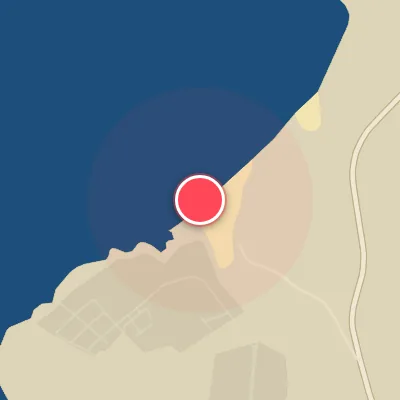
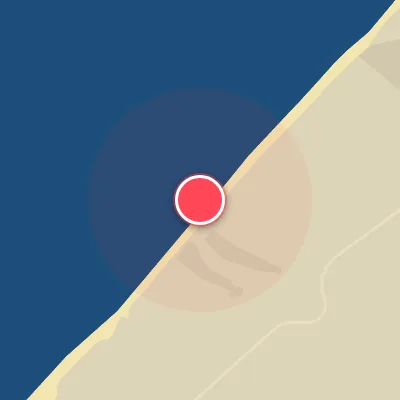
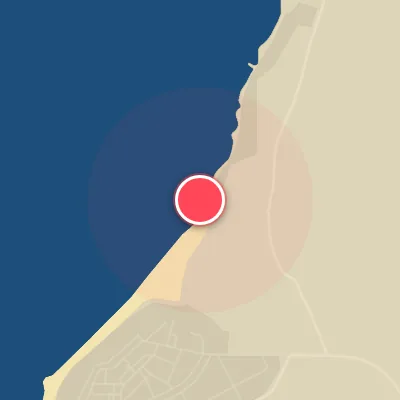
Spot Conditions Map
Hover over the hourly chart columns to update the wind & swell direction overlays on the map.
Today's Surf & Wind Forecast (Hourly)
Loading forecast text...
Spot Overview & Description
Sidi Ifni delivers a distinctly Moroccan surf experience, where a rugged coastline meets a laid-back, colorful town vibe. The lineup is a patchwork of reef and sand breaks, anchored by a long, rolling right-hander that peels over deep boulders on the outer reef—a playful, drawn-out ride best suited for intermediate surfers looking to stretch their legs. When the northwest swells pulse, a right-hander forms off the end of the harbor wall, offering a more critical, hollow option for advanced crew. A handful of lefts and the town beach break add variety, with the beach providing a forgiving alternative on smaller days. The spot is remarkably flexible tide-wise, holding shape from low to high, and prefers a light southeast wind to keep the surface clean. A 1-foot (0.3 m) northwesterly swell is enough to get it going, though the reef can get a bit shifty. Parking for campervans is a breeze—just pull up on the cliff above the beach for a quick dash to the water. The local crew is generally friendly, though the spot draws a crowd, and rips can set up when the swell kicks. Conditions can shift fast, so keep an eye on the horizon. Overall, Sidi Ifni offers a solid, no-fuss mix of waves and a relaxed atmosphere that makes it a worthy stop on any Moroccan surf tour.
Best Surf Season & Climatology
Best Surf Season (October – March)
The North Atlantic furnishes this Moroccan gem with its most consistent and powerful groundswell during these months. Long-period swells from the NW-to-WNW corridor march in with average heights of 2.0–2.3m and periods often exceeding 12 seconds. Crucially, the frequency of favorable offshore winds – from the E-to-SSE quadrant – peaks between December and February, offering up to 40% clean windows. This is the sweet spot: glassy mornings and groomed, hollow waves at the main point breaks. The NAO’s negative phase often aligns with a southward shift in the Azores High, allowing storm tracks to fire directly into this stretch of coast.
Fair Surf Season (April & September)
April and September serve as transition windows. In April, swell heights average a solid 2.0m, but the period drops to ~11 seconds and the wind reliability falls to just 11%. Persistent northerly trades (N, NNE) dominate, frequently onshore. September sees a slight uptick in offshore wind potential (10%), while swell remains modest (1.5m, 10s). On the rare days when a high-pressure ridge settles over the Canaries, you can score clean, rippable waves before the summer trades return.
Low Surf Season (May – August)
Summer brings the doldrums to Sidi Ifni. The main swell source shifts to local windswell from the NNW – short-period (8–9s) and small (1.5–1.8m). Worse, the trade winds howl from the N and NNW with relentless intensity, leaving only 3–6% of time with offshore conditions. Most days the ocean is a choppy, bumpy mess. The few rideable waves are usually found at dawn, before the seabreeze kicks in. This is the time to travel north or focus on flat-water pursuits.
Detailed Surf Information for Sidi Ifni
Detailed Surf Forecast
Access our detailed 8-day swell and wind forecast charts for Sidi Ifni with tidal graphs, period ranges, and daily forecast text summaries.
Swell & Wind Statistics
Explore historical swell consistency, wave heights, and offshore wind windows month-by-month, compiled from over 40 years of data.
Historical Surf Report
Browse the historical database archives to view past wave reports and understand spot climatology during specific years and months.