Map
Map
Smiths Beach
Today's Surf Conditions at Smiths Beach
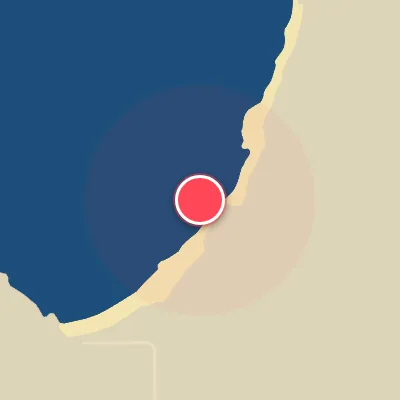
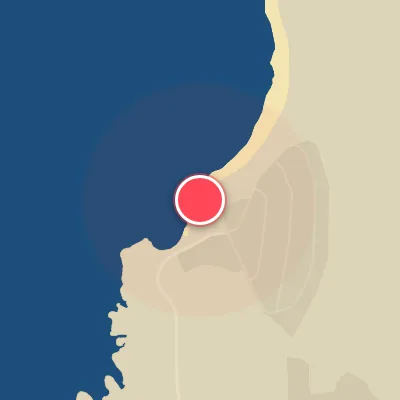
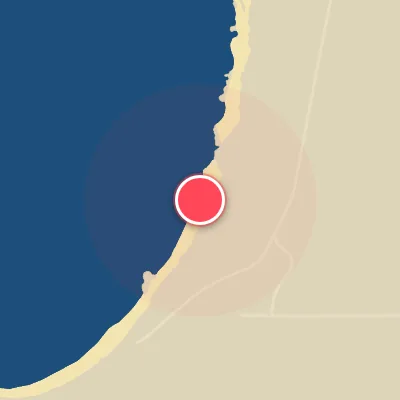
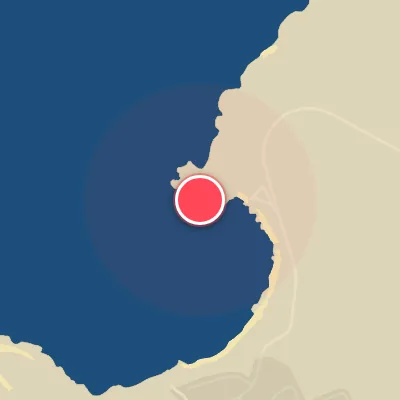
Spot Conditions Map
Hover over the hourly chart columns to update the wind & swell direction overlays on the map.
Today's Surf & Wind Forecast (Hourly)
Loading forecast text...
Spot Overview & Description
Smith's Beach sits along a pristine stretch of coastline, offering a blend of beachbreak peaks and a standout reef peak that acts as the primary wave-catching magnet. The vibe is mellow, and the crowds are thinner than at more famous breaks, making it a solid choice for a relaxed session. The action centers on the reef peak, which grooms southwest swells into clean, right-hand barrels when the swell pushes overhead—typically in the 2- to 3.5-foot range (0.6 to 1.1 meters). These right-handers peel off the peak with shape and speed, feeding into a sandy channel where you can throw some finishing moves in the shorebreak. The left, while present, is more predictable and less exciting, but it does handle larger swells better, making it a worthwhile option on bigger days. For optimal shape and flow, aim for mid to high tide; the extra water depth really unlocks the wave’s potential. When the surf gets solid, occasional rips can develop, so keep your head on a swivel. Intermediate surfers will feel right at home here. The reef isn't as shallow as spots like Supers, which adds a layer of forgiveness. Southeast winds offer decent protection, especially further down the beach where conditions improve even more. A notable feature is Gunyulgup Brook, which cuts across the center of the sand and can shift sandbars over time, adding a touch of unpredictability to the setup. Overall, Smith's delivers a satisfying mix of quality waves and a low-key atmosphere, perfect for a rewarding session without the hustle.
Best Surf Season & Climatology
Best Surf Season (March - May)
As the austral autumn sets in, Smiths Beach enters a sweet spot. Average swell heights climb from 1.9m in March to 2.3m in May, while wave periods hover around 12.5-12.9 seconds, delivering powerful, long-period groundswells. The percentage of ideal offshore winds (from S, SSW, SW, WSW) peaks at 29% in April, meaning more sessions with clean, groomed faces. The dominant swell direction remains from the SW/SSW quadrant, which wraps into the northwest-facing beach, producing lefts and rights that link up along the sand. This is the time to score when the Southern Ocean pumps and the wind gods align.
Fair Surf Season (June - October)
Winter brings the biggest swells of the year, with average heights reaching 2.8m in July and periods extending to 13.3 seconds. These are powerful, XL groundswells capable of pushing through the outer banks. However, the trade-off is a drop in wind quality – ideal offshore conditions occur only 17-21% of the time. Frequent synoptic storms firing up the Southern Ocean also drag strong westerly and north-westerly winds across the region, turning the lineup into a battle of gusty onshores. When a high-pressure system stalls to the south, offshore breezes from the S/SSW return and the beach transforms into a heavy, barrelling playground for the experienced crew.
Low Surf Season (November - February)
The summer months see the surf settle down. Average swell heights dip to 1.8-1.9m, with periods around 11.8-12.2 seconds. While this is still fun-sized and rippable, the consistency of quality swell takes a hit as the Southern Ocean storm track retreats. Offshore wind windows shrink to 17-19% of the time, and the dominant wind patterns shift to more southeasterly and easterly directions, which are side-offshore at best. For those willing to hunt for groomed highlights, early mornings with a light southerly breeze can produce clean, waist-to-head-high waves on the sets. Still, this is the season for a grovel board or a longboard cruise.
Detailed Surf Information for Smiths Beach
Detailed Surf Forecast
Access our detailed 8-day swell and wind forecast charts for Smiths Beach with tidal graphs, period ranges, and daily forecast text summaries.
Swell & Wind Statistics
Explore historical swell consistency, wave heights, and offshore wind windows month-by-month, compiled from over 40 years of data.
Historical Surf Report
Browse the historical database archives to view past wave reports and understand spot climatology during specific years and months.