Map
Map
The Bluff
Today's Surf Conditions at The Bluff
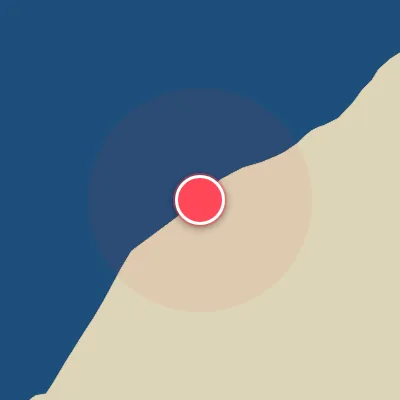
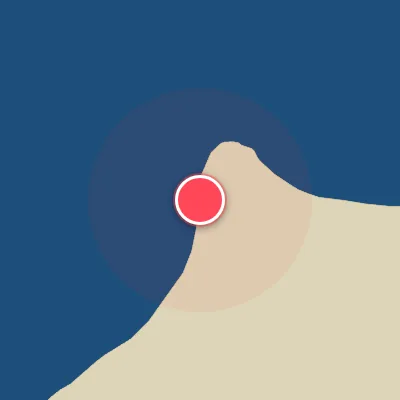
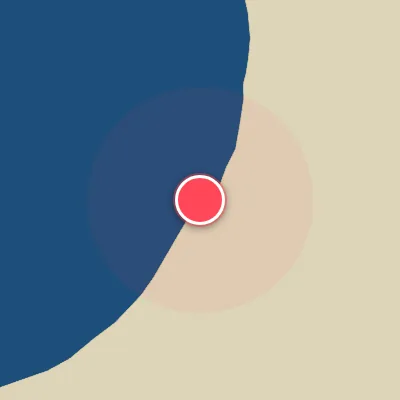
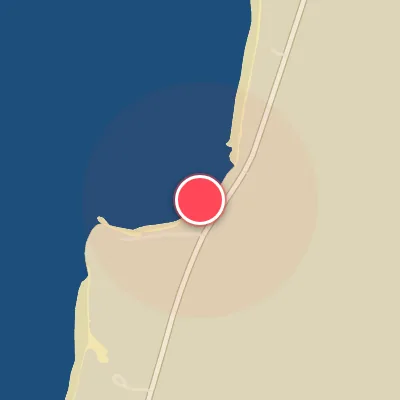
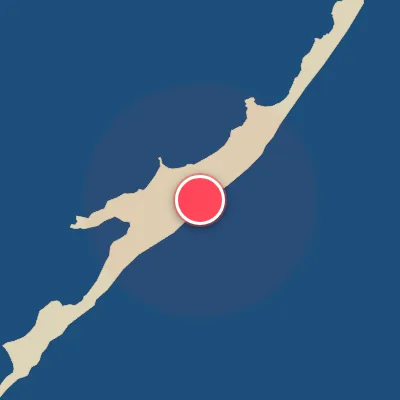
Spot Conditions Map
Hover over the hourly chart columns to update the wind & swell direction overlays on the map.
Today's Surf & Wind Forecast (Hourly)
Loading forecast text...
Spot Overview & Description
The Bluff—or Red Bluff, as it’s often called—is a raw, wild lefthander that fires off a remote stretch of Western Australia’s coast. This is not a spot for the faint-hearted; it’s a proving ground for expert surfers who crave heavy, hollow waves and don’t mind earning their place in a tightly-knit local lineup. The atmosphere here is fierce and untamed, with the surrounding landscape amplifying the sense of isolation. Crowds can be thick when the swell lines up, and the pecking order is strictly enforced—show respect, bring your A-game, and be prepared for a session that demands everything you’ve got. The Bluff really comes alive with a southwesterly swell pulsing in the 5-6ft range (1.5-1.8 meters), though it can still offer challenging rides down to about 4ft (1.2 meters). The wave breaks over DeadCoral—a shallow, jagged reef that serves up a fast, steep takeoff that drops straight into a grinding left barrel. When conditions align, these are some of the most thrilling, deep tubes you’ll find in the region. For the cleanest shape, you’ll want a south-easterly wind, and the wave works across all tides—low, mid, and high—so you can chase the best windows throughout the day. But don’t let the tide leniency fool you: this is strictly expert territory, where a single misstep can lead to a punishing reef encounter. Before you paddle out, gear up with a helmet and booties—the shallow reef bottom is littered with sea urchins, and the consequences of a wipeout are harsh. And since the Bluff sits in a remote setting far from any amenities, pack everything you’ll need for the day: food, water, spare fins, and a solid sense of self-sufficiency. This is a destination for the dedicated, offering a raw, barreling challenge that rewards those who earn it.
Best Surf Season & Climatology
Best Surf Season (May - August)
The Southern Ocean reaches its peak fury during the austral winter, and The Bluff feels the pulse of the deep water swells that radiate from the Roaring Forties. From May through August, the average wave height sits around 1.3-1.6m with long periods consistently above 13 seconds, reaching 14.1s in the heart of winter. This is when the south-west swell machine is running at full steam. However, the spot's west-northwest orientation means these swells aren't perfectly aligned – they wrap in from the southwest, producing powerful but sometimes a bit wonky lines. The real magic happens when the wind clocks around to the east-southeast, providing clean offshore conditions. During these months, the frequency of such ideal wind is at its highest, especially in May and June when offshore winds blow over 35% of the time. Expect solid, ripable waves with occasional pumping sets in the 1.5-2m range.
Fair Surf Season (March - April & September)
During the transitional months of March, April, and September, The Bluff experiences a blend of winter and summer patterns. The Southern Ocean still delivers long-period swells, but the average heights begin to dip slightly in March-April while September holds onto 1.6m at 13.8s. The wind patterns become less reliable. April sees the best wind conditions of the fair period with 26% offshore, but March and September drop to around 16-19%. This means you'll have to be patient and pick your windows. When a high-pressure system settles over the Tasman Sea, it can funnel east-northeasterly winds, but more often the prevailing sea breeze from the south or southwest kicks up onshore chop. Surfers willing to hunt for the clean early mornings can score fun, powerful waves with long walls.
Low Surf Season (October - February)
From October through February, The Bluff enters its summer lull. The Southern Ocean storm track weakens and shifts south, resulting in shorter-period swells and smaller average heights. October still shows decent 1.6m waves with 13s periods, but the offshore wind percentage plummets to a mere 10%, and it only gets worse as summer progresses. November through February see average swell heights of 1.4m and periods below 12s, with the wind ideal for surfing only 7-16% of the time. The dominant swell direction remains SSW-SW, but the energy is lower and the wind predominantly blows from the south and southwest, which is onshore or side-onshore for the west-northwest beach. This combination produces choppy, messy conditions more often than not. The best chance for a session is during a rare cold front passage or tropical cyclone swell, but these are unpredictable. For most of the summer, expect micro to fun-sized waves with poor wind – better to chase an exposed east-facing coast.
Detailed Surf Information for The Bluff
Detailed Surf Forecast
Access our detailed 8-day swell and wind forecast charts for The Bluff with tidal graphs, period ranges, and daily forecast text summaries.
Swell & Wind Statistics
Explore historical swell consistency, wave heights, and offshore wind windows month-by-month, compiled from over 40 years of data.
Historical Surf Report
Browse the historical database archives to view past wave reports and understand spot climatology during specific years and months.