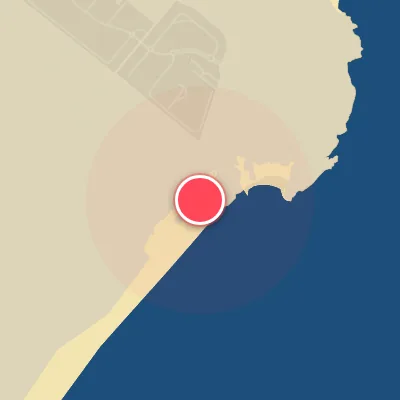
Map
Map
Tramandao
Today's Surf Conditions at Tramandao
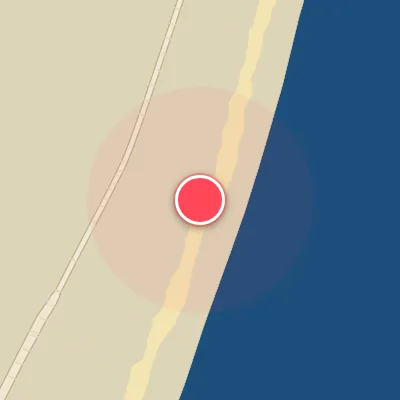
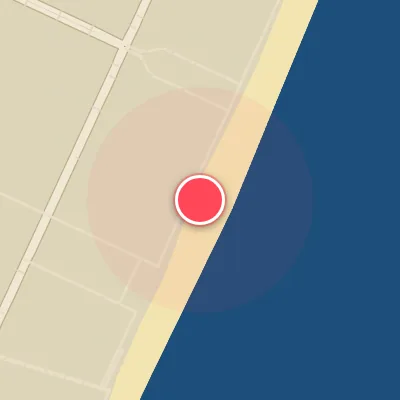
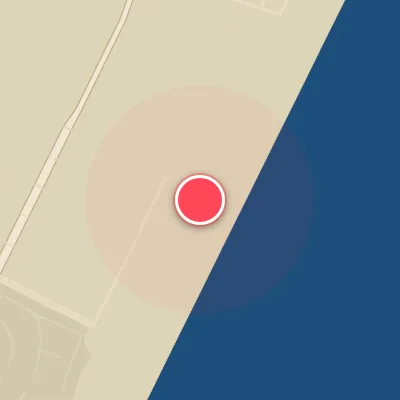
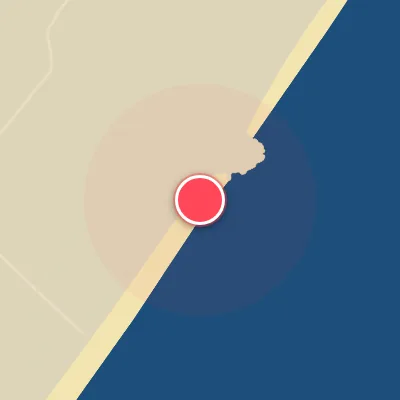
Spot Conditions Map
Hover over the hourly chart columns to update the wind & swell direction overlays on the map.
Today's Surf & Wind Forecast (Hourly)
Loading forecast text...
Spot Overview & Description
Tramandaí sits as the closest surfable beach to Porto Alegre, drawing a steady mix of locals and visitors for its sheer convenience. The lineup can feel like a busy social scene, especially near the pier, but the overall vibe remains easygoing and welcoming. If you want to score waves without burning through a full tank of gas, this spot is a reliable go-to. The surf here is a wildcard, as conditions shift constantly. Optimal swell direction is from the east, though south swells can also deliver rideable waves when they align. The beach handles swell sizes around 2 feet (roughly 0.6 meters) nicely, breaking cleanly over a sandy bottom that’s forgiving enough for beginners to build confidence. You’ll find both lefts and rights, offering options based on the day’s setup. For the best odds, paddle out with low, mid, or high tide, and keep an eye on a northwest wind to groom the faces. Crowds are a given, but the beach is wide enough to spread out—just expect some jostling for the better peaks among the local crew. If the main break feels too saturated, head north to the Barra de Imbe rivermouth, where fickle peelers can offer a quieter alternative when they decide to pulse.
Best Surf Season & Climatology
Best Surf Season (May - August)
During the austral winter, the South Atlantic roars to life as the storm track shifts northward, slamming the Rio Grande do Sul coastline with consistent, long-period swell. Tramandao, with its ESE-facing beach, is perfectly oriented to capture the relentless energy from SE to E swells. The average wave height sits solidly in the 1.7-1.8m range, with periods stretching into the 9-10s bracket, offering punchy, rideable waves. More importantly, winter also brings the highest percentage of offshore winds—from the west and northwest—as cold fronts and post-frontal high pressure systems sweep across the continent. This combination of clean, groomed swell and favorable wind makes May through August the undisputed power months for surfers. It is not uncommon to score multiple days of 1.5-2.5m surf with glassy conditions as the wind clock around to the WNW.
Fair Surf Season (April & September)
The shoulder months of April and September act as a transition period, balancing the building or fading winter swell window with more variable wind patterns. In April, the autumnal shift begins, with average swell heights climbing to 1.7m and periods reaching 9.1s, while ideal wind frequency jumps to 28%. September sees the last gasp of winter swell, posting the highest average height of the year at 2.0m. However, the wind becomes a bit more fickle, with ideal offshore breezes dropping to 21%. These months can serve up world-class waves when a strong low-pressure system aligns with a westerly wind regime, but you have to chase the forecasts more closely.
Low Surf Season (October - March)
From October through March, the South Atlantic subtropical high strengthens, locking in relentless easterly trade winds. For Tramandao, this is a mixed bag: the swell direction remains favorable—ENE, E, and ESE—but the accompanying wind is almost always onshore, coming from exactly the same quadrant. The result is choppy, wind-affected surf with average wave heights in the 1.5-1.9m range and periods hovering around 8-8.6s. The percentage of ideal offshore wind (WSW through NW) plummets to between 17-23%, meaning clean waves are a rarity. While summer can occasionally produce a fun, grovel-worthy day if a cold front clips the coast, the norm is onshore, bumpy conditions. This is the season to be patient and wait for a rare westerly wind event.
Detailed Surf Information for Tramandao
Detailed Surf Forecast
Access our detailed 8-day swell and wind forecast charts for Tramandao with tidal graphs, period ranges, and daily forecast text summaries.
Swell & Wind Statistics
Explore historical swell consistency, wave heights, and offshore wind windows month-by-month, compiled from over 40 years of data.
Historical Surf Report
Browse the historical database archives to view past wave reports and understand spot climatology during specific years and months.