- Home
- ...Europe
 United Kingdom
- Langland Beach
Today's Surf Conditions at Langland Beach
Spot Overview & Description
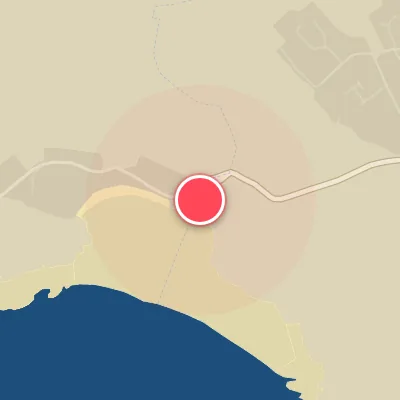
Langland Bay is a chameleon-like stretch of South Wales coastline, offering a diverse menu of lefts and rights that switch between sand-bottomed beach peaks and exposed reef slabs. The setup is a sprawling, multi-break affair—Crab Island, Outside Point, Inside Point, Langland Reef, Middle of the Bay, and Rotherslade Left all fall within its orbit. This flexibility means it can handle a range of swell directions and sizes, delivering anything from playful, rippable walls to more serious, classic waves when conditions align. But versatility comes with a price. Langland is perpetually busy, a magnet for locals and visitors alike, and the lineup can feel like a free-for-all. Rips run strong across the bay, and the shallow reef sections demand respect—especially on a dropping tide when the rocks bare their teeth. Crowds are an ever-present factor, and the shifting sandbars mean the rhythm of the break is in constant flux. The reward for navigating these hurdles is a wave that, on its day, stacks up with the best in South Wales: hollow, fast, and capable of holding a clean line. Check it on a moderate south swell with light offshore winds, and you’ll see why this spot remains a staple for surfers who know the region.
Best Surf Season & Climatology
Langland Beach sits on the south-facing edge of the Gower Peninsula, exposed to the weather systems rolling in from the North Atlantic. The surf year here is dictated by the seasonal battle between vigorous low-pressure systems and the high-pressure ridges that occasionally offer clean offshore winds. Swell direction matters as much as size - this beach lights up when the fetch points into the southern half of the compass, but the statistics show a west/south-west-dominated sea state that often arrives with cross-onshore wind.
Best Surf Season (November - March)
The statistics point to late autumn and winter as the prime time for real surf. Average wave heights sit between 4ft and 5ft (1.2-1.5m), with periods from 9 to 11 seconds, and the North Atlantic low-pressure factory fires with increasing intensity. It is not always clean - ideal offshore winds only occur 12-15% of the time - but when a cold front sweeps through and the wind clocks into the north/north-northwest, Langland can hold solid, powerful surf. Positive NAO phases tend to drive stronger W/SW windswell; negative phases often produce the lighter N/NE offshore windows that groom winter groundswell into clean peaks.
Detailed Surf Information for Langland Beach
Detailed Surf Forecast
Access our detailed 8-day swell and wind forecast charts for Langland Beach with tidal graphs, period ranges, and daily forecast text summaries.
Swell & Wind Statistics
Explore historical swell consistency, wave heights, and offshore wind windows month-by-month, compiled from over 40 years of data.
Historical Surf Report
Browse the historical database archives to view past wave reports and understand spot climatology during specific years and months.