- Home
- ...North America
 United States
- Stuart Public Beach
Today's Surf Conditions at Stuart Public Beach
Spot Overview & Description
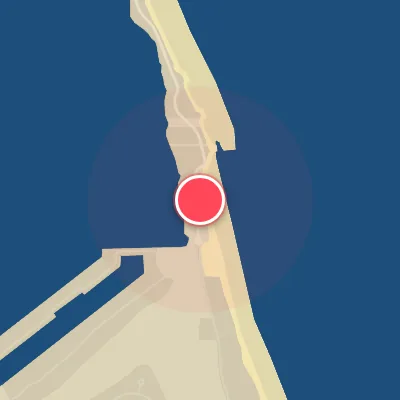
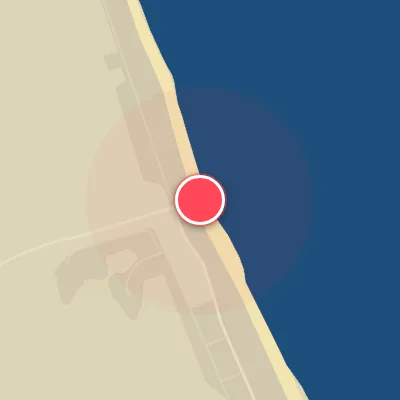
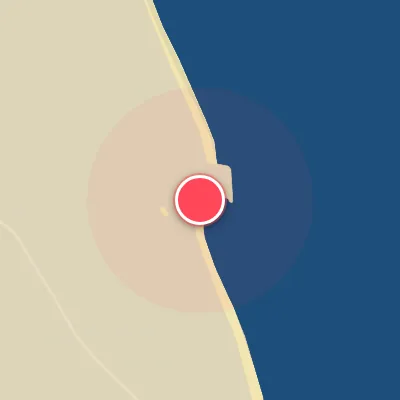
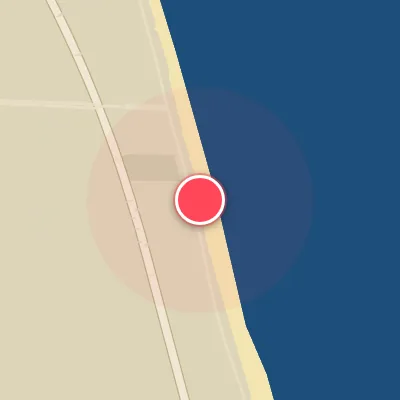
Stuart Public Beach offers a blend of sand and reef bottom, delivering both left and right-breaking waves with a slight bias toward longer lefts when north swells fill in. The inside section can produce occasional, punchy hollow pockets that keep things interesting. While it may lack the refined form of nearby Stuart Rocks, this setup often shines when its neighbor goes flat, and it consistently runs a few feet larger, making it a reliable backup or a go-to when you need a bigger canvas. Easy access and a spread-out lineup appeal to intermediate surfers looking for a mellow, functional session.
Best Surf Season & Climatology
Best Surf Season (October - March)
The North Atlantic storm track and the U.S. East Coast frontal corridor come alive from October through March, and Stuart Public Beach sees its most reliable run of rideable surf. Cold fronts push off the Southeast, post-frontal high pressure builds in, and the resulting W, WSW, SW, and SSW offshore winds groom the dominant NNE, NE, ENE, and E swell that wraps into this ENE-facing beach. Average nearshore surf is about 3-4ft (0.9-1.2m), with November leading at 4ft (1.2m) and an average period near 8.2s. The offshore wind window is ideal 16-26 percent of the time, best in January and February. Water temperatures run a comfortable 72-77°F (22-25°C), so a spring suit or light fullsuit is often enough. This is the season for nor'easter pulses, long-period NE groundswell, and clean post-frontal mornings before the sea breeze fills in.
Detailed Surf Information for Stuart Public Beach
Detailed Surf Forecast
Access our detailed 8-day swell and wind forecast charts for Stuart Public Beach with tidal graphs, period ranges, and daily forecast text summaries.
Swell & Wind Statistics
Explore historical swell consistency, wave heights, and offshore wind windows month-by-month, compiled from over 40 years of data.
Historical Surf Report
Browse the historical database archives to view past wave reports and understand spot climatology during specific years and months.