Map
Map
Watergate Bay
Today's Surf Conditions at Watergate Bay
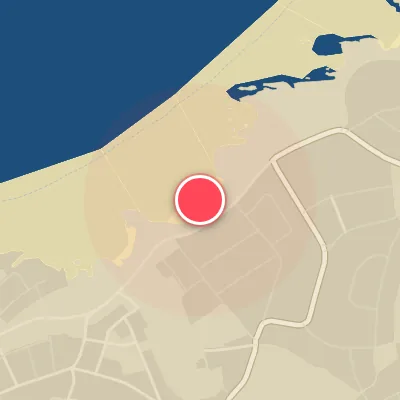
Spot Conditions Map
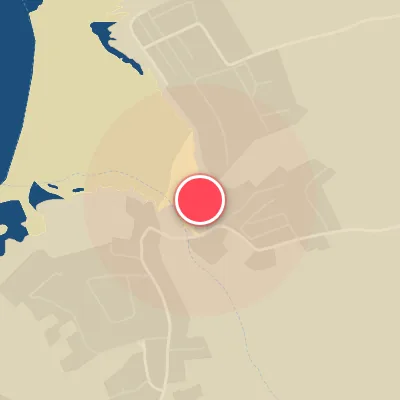
Hover over the hourly chart columns to update the wind & swell direction overlays on the map.
Today's Surf & Wind Forecast (Hourly)
Loading forecast text...
Spot Overview & Description
Stretching across nearly two miles of golden sand just north of Newquay, Watergate Bay is a consistent, dynamic beachbreak that offers something for nearly every surfer. The long shoreline delivers a series of shifting peaks, peeling both left and right with rides that range from short, punchy drops to longer, walled-up lines depending on how the sandbanks have settled. When the swell cranks up, the waves gain serious weight and turn hollow, while strong rips make paddling a proper workout. This beach draws a diverse crew—from beginners soaking up the forgiving crumbly days to experienced surfers hunting for steeper faces. On west winds, it’s also a favorite launchpad for kitesurfers, adding to the lively, charged atmosphere. Approach with respect for the currents, and you’ll find a versatile, reliable break that keeps delivering session after session.
Best Surf Season & Climatology
Best Surf Season (October - March)
The North Atlantic comes alive in October, and by the time winter sets in, Watergate Bay is firing on all cylinders. The prevailing westerly swell direction (W) dominates, with over 30% of total swell energy coming from due west. Combined with solid contributions from WSW and WNW, this creates a powerful, long-period groundswell that wraps perfectly into the bay. Average swell heights hover between 1.8m and 2.2m, with periods often exceeding 12s, delivering the kind of organized, powerful surf that charges up the watergate. The wind is ideal for surfing about 23% of the time, with offshore winds (ONO through SO) most common under the influence of high-pressure systems anchored over Scandinavia. However, expect plenty of winter storms swinging low across the UK, bringing strong onshore winds from the southwest. When the stars align, you'll find pumping, heavy sessions with clean faces.
Fair Surf Season (April - May & September)
Spring and early fall bring a transition in the North Atlantic storm track. Swell heights drop to the 1.2-1.3m range, and wave periods shorten to around 9-10s, meaning more average, punchy surf rather than long-period bombs. The west-northwest component becomes more prominent, and while the total swell energy is lower, the consistent westerly flow still provides plenty of rideable days. The wind is ideal for surfing 24-27% of the time during these months, with slightly higher chances of clean offshore conditions than in summer. April and May often see lighter winds and more sunshine, making for fun-sized, groveling sessions on smaller days. September sees a return of more powerful swells as the Atlantic reawakens, offering better quality than the summer lull.
Low Surf Season (June - August)
Summer at Watergate Bay is characterized by a significant drop in swell energy. Average heights bottom out at 1.0-1.1m, with periods around 8-9s, resulting in choppy, low, messy conditions much of the time. The swell direction remains dominated by W and WNW, but the energy is just not there – most waves fall into the 0.5-1m range. The wind is ideal for surfing only 16-18% of the time, as the prevailing southwesterlies and westerlies (onshore for the bay) dominate, often accompanied by high pressure that stalls over the continent, funneling these unfavorable winds. On the rare occasion that a light easterly or southeast wind sets up, you might score some fun-sized, rippable waves, but generally, it's a time for long boards and patience.
Detailed Surf Information for Watergate Bay
Detailed Surf Forecast
Access our detailed 8-day swell and wind forecast charts for Watergate Bay with tidal graphs, period ranges, and daily forecast text summaries.
Swell & Wind Statistics
Explore historical swell consistency, wave heights, and offshore wind windows month-by-month, compiled from over 40 years of data.
Historical Surf Report
Browse the historical database archives to view past wave reports and understand spot climatology during specific years and months.