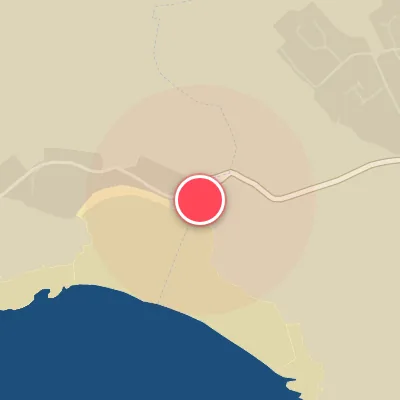
Map
Map
Woolacombe
Today's Surf Conditions at Woolacombe
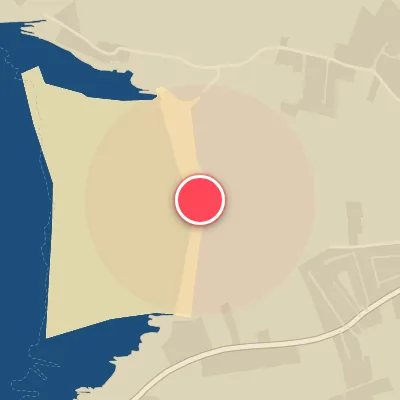
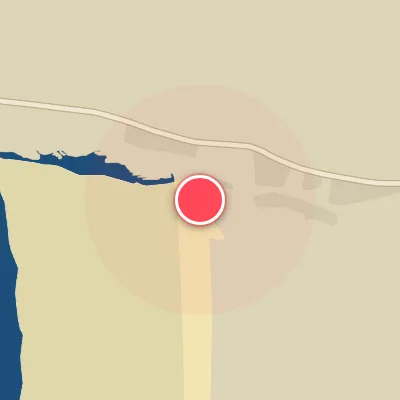
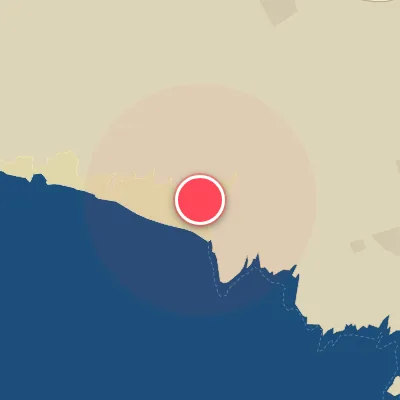
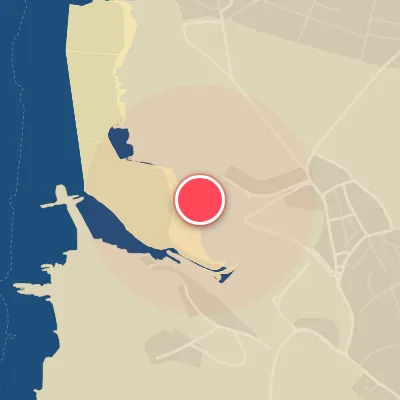
Spot Conditions Map
Hover over the hourly chart columns to update the wind & swell direction overlays on the map.
Today's Surf & Wind Forecast (Hourly)
Loading forecast text...
Spot Overview & Description
Woolacombe stretches for miles, a broad expanse of sand with a forgiving, open beachbreak that peels both ways. The action here is mellow—clean, rolling peaks that offer plenty of space to roam, making it a go-to for beginners and longboarders alike. When the swell is clean, the waves are fun and flexible, with options for everyone. The northern end, closest to town, fires off a popular high-tide right-hander, given extra consistency by the nearby stream that helps shape and hold the sandbanks. Just a short walk north, Combesgate tucks into a small bay, where low-tide brings shapely peaks that can offer a bit more punch and form.
Best Surf Season & Climatology
Best Surf Season (October - March)
The North Atlantic awakens from its summer slumber as autumn deepens, and Woolacombe’s west-facing beach becomes a magnet for powerful, long-period groundswells. From October through March, the average swell height consistently exceeds 1.5m, peaking at 2.2m in January, with wave periods often stretching into the 10-14 second range—perfect for generating clean, punchy lines. This is driven by a climatological increase in extratropical storm activity across the North Atlantic, with deep low-pressure systems tracking eastward and firing swell from the W and WSW, the spot’s optimal directions. While the prevailing westerly winds often bring onshore conditions (WSW, W, WNW), the windows of offshore flow from the east (ENE, E, ESE, SE) are the true gems, offering glassy, groomed faces during cold, crisp high-pressure setups. When the NAO index dips negative, blocking highs can park over Scandinavia, funnelling easterly winds across the UK and delivering pristine conditions at Woolacombe. These months are the prime time for experienced surfers seeking size and power, though winter swells can quickly become XL (over 2.5m) during major storm events, demanding respect and proper gear.
Fair Surf Season (April, May, September)
As the seasons shift, April, May, and September serve as transitional windows where the swell drops to a more manageable 1.1-1.3m average and the wave period shortens to 8.5-9.5s. The storm track begins to retreat northwards in spring and hasn’t fully reawakened in early autumn, resulting in fewer consecutive days of XXL surf but more frequent opportunities for clean, fun-sized waves. The percentage of ideal offshore wind (from the east) peaks during these months—16% in April, 15% in May, 12% in September—thanks to a higher incidence of high-pressure systems over northern Europe. These blocking highs create easterly breezes that groom the long-period remnants of distant storms, delivering rippable 1-1.5m waves with glassy conditions. Swell direction remains dominated by W and WSW, ensuring the spot’s exposure is fully utilised. This is the sweet spot for intermediate surfers and longboarders, with plenty of punchy, rideable days and fewer crowds than the peak winter months.
Low Surf Season (June - August)
Summer settles over the Bristol Channel and Woolacombe’s surf takes a definitive nap. From June to August, the average swell height barely nudges above 1.0m, and wave periods hover around 7.9s—generating weak, localized windswell rather than the powerful groundswell of winter. The dominant W and WSW swell directions still bring some energy, but the vast majority of waves fall into the 0.5-1m range, offering small, fun-sized conditions for groveling. The true challenge is the wind: summer’s prevailing westerlies now blow consistently onshore, with the ideal offshore wind percentage dropping to just 9-12%. Thermal effects and sea breezes often kick in by midday, further chopping up the surface. The North Atlantic storm track is at its most dormant, with high pressure often sitting right over the UK, suppressing swell generation. When a rare tropical storm or decaying hurricane tracks far enough north, it can send a pulse of longer-period swell, but those are fleeting exceptions. For most surfers, summer at Woolacombe is best spent on a foamie, chasing tiny peelers on a longboard, or simply enjoying the beach—though dawn patrol sessions with a light land breeze can occasionally yield clean 1m waves for the committed.
Detailed Surf Information for Woolacombe
Detailed Surf Forecast
Access our detailed 8-day swell and wind forecast charts for Woolacombe with tidal graphs, period ranges, and daily forecast text summaries.
Swell & Wind Statistics
Explore historical swell consistency, wave heights, and offshore wind windows month-by-month, compiled from over 40 years of data.
Historical Surf Report
Browse the historical database archives to view past wave reports and understand spot climatology during specific years and months.