Map
Map
Caswell Beach
Today's Surf Conditions at Caswell Beach
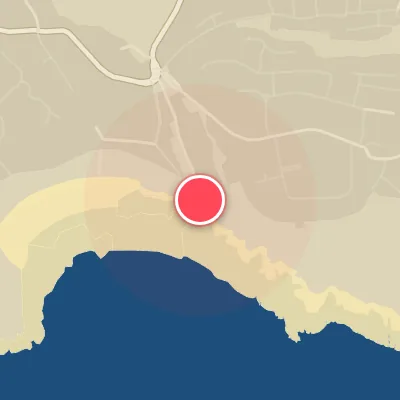
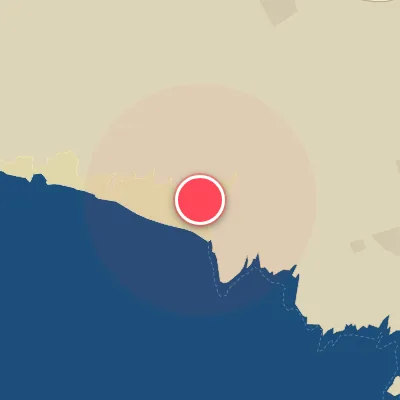
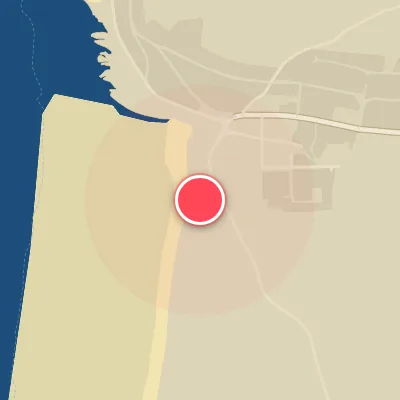
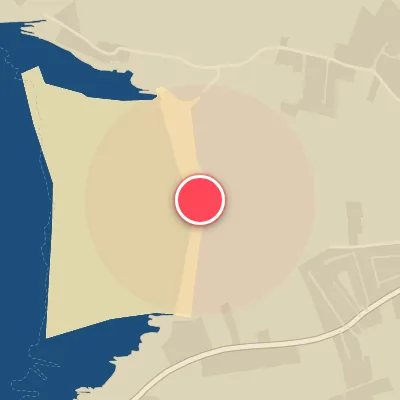
Spot Conditions Map
Hover over the hourly chart columns to update the wind & swell direction overlays on the map.
Today's Surf & Wind Forecast (Hourly)
Loading forecast text...
Spot Overview & Description
Nestled along the coast, Caswell Bay is a compact, scenic beachbreak that delivers shifting peaks over a sandy bottom, offering both left and right-hand rides. It’s a fickle setup, though—clean conditions are a rare luxury, and the bay needs a healthy dose of swell just to show its face. Don’t expect it to hold much size; once the waves push past head-high, the bay quickly devolves into a series of closeouts. The west end almost always holds the better shape, so aim your paddle there when the tide and wind align. This spot is best suited for surfers who don’t mind waiting for the magic window—and are ready to move when it arrives.
Best Surf Season & Climatology
Best Surf Season (October - March)
The North Atlantic flexes its muscles as autumn deepens into winter, delivering a consistent barrage of powerful, long-period swell to Caswell Beach. Average wave heights hover between 1.2m and 1.6m, with periods often stretching into the 10-second range, yielding punchy, rideable waves that wrap into the south-facing bay. While the dominant swell direction is from the WSW–W (not an optimal fetch), the moderate to strong storms spinning off Greenland and Iceland frequently send a healthy component of S to SW swell that aligns perfectly with the beach’s exposure. The trade-off? Onshore winds from the south and southwest blow a significant portion of the time, but when the Azores High ridges in or a cold front clears to the east, crisp northerly offshore winds (N, NNE, NO, NNW) clean up the lines. This is the window for the best surf of the year – think head-high to overhead bombs during active NAO-negative phases.
Fair Surf Season (April & September)
April and September represent the transitional shoulders, where the ocean’s energy is mellowing or building. The average swell drops to around 0.9m with periods around 8–9 seconds – enough for fun, groveling waves on a longboard or fish. Swell is still predominantly from the WSW–W, but the south component weakens, making it trickier to capture the ideal S–SW swell. However, wind patterns become more variable. Offshore northerlies still occur about 15% of the time in April and 12% in September, offering clean sessions if you pick your days. Expect smaller, more inconsistent surf, but when a late-season southwesterly gale brushes the UK or an early autumn low spins up, you can score a surprise chest-high swell with glassy conditions. It’s a gamble, but the rewards come with lighter crowds.
Low Surf Season (May - August)
Summer settles in and Caswell Beach enters its quietest phase. Average wave heights drop to a paltry 0.7–0.8m, and periods shorten to 7–8 seconds, producing weak, choppy surf that rarely breaks cleanly. The swell direction remains stubbornly from the WSW–W, which is far from ideal for the south-facing beach – the waves tend to be messy, soft, and quickly close out. Offshore wind opportunities shrink to just 11–12% of the time, and even those light northerlies can’t overcome the lack of swell energy. Persistent high pressure over the British Isles leads to long stretches of flat, calm conditions. If you’re desperate for a session, a summer southwesterly sea breeze might kick up some ankle-biters, but this is the time to explore other hobbies or wait for the first autumn storms to reignite the Atlantic machine.
Detailed Surf Information for Caswell Beach
Detailed Surf Forecast
Access our detailed 8-day swell and wind forecast charts for Caswell Beach with tidal graphs, period ranges, and daily forecast text summaries.
Swell & Wind Statistics
Explore historical swell consistency, wave heights, and offshore wind windows month-by-month, compiled from over 40 years of data.
Historical Surf Report
Browse the historical database archives to view past wave reports and understand spot climatology during specific years and months.