Map
Map
Llangennith
Today's Surf Conditions at Llangennith
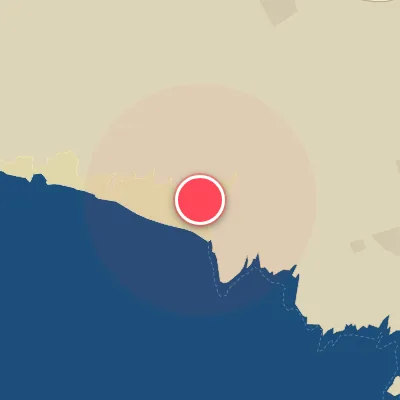
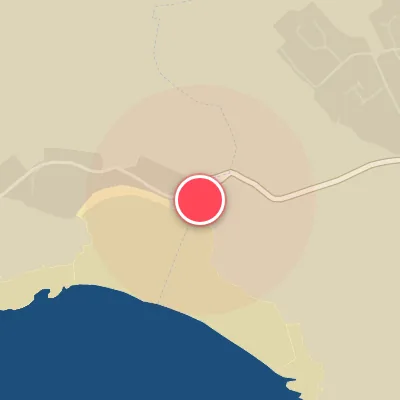
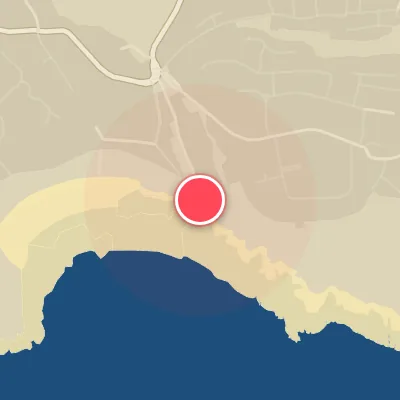
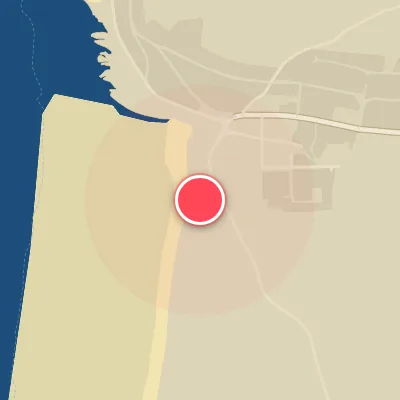
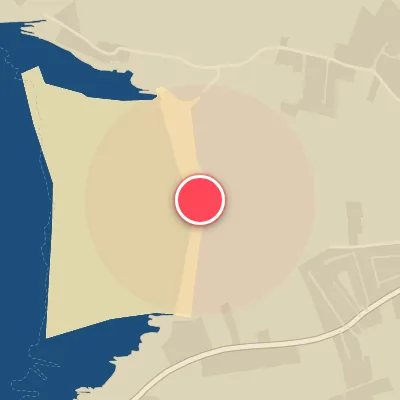
Spot Conditions Map
Hover over the hourly chart columns to update the wind & swell direction overlays on the map.
Today's Surf & Wind Forecast (Hourly)
Loading forecast text...
Spot Overview & Description
Stretching for three to five miles between towering dunes and flat, golden sand, Llangennith / Rhossili is a quintessential Welsh beachbreak that offers consistent, if not spectacular, surf. The lineup is a mixed bag of lefts and rights over shifting sand, producing waves that are generally fun and user-friendly but often lack the punch and definition that more powerful breaks deliver. At the northern end, Three Peaks stands out as the region’s most reliable source of size and power, catching more significant swell and providing a grittier ride. To the south, Rhossili offers a more mellow, forgiving wave as it picks up less energy. This spot is a reliable option for volume-minded intermediate surfers, but don’t expect the memorable, driving walls of a reef or point.
Best Surf Season & Climatology
Best Surf Season (October - March)
The heart of the North Atlantic storm track delivers the goods to Llangennith during autumn and winter. As the jet stream strengthens and low-pressure systems march eastwards, consistent WSW and W swells flood the Gower Peninsula. Average wave heights hover between 1.2m and 1.6m with periods regularly pushing 10s or more, bringing powerful, long-period lines that wrap into the beach. However, the key is wind – the prevailing westerlies often ruin the surface with onshore conditions. The best days come when high pressure over Scandinavia funnels crisp easterly winds (NE, ENE, E, ESE) across the Bristol Channel, grooming the swell into clean, hollow walls. Winter months see the highest swell potential, but patience is required to score the perfect window.
Fair Surf Season (April - June)
Spring sees a gradual decline in swell size as the North Atlantic calms down. Average heights drop to 0.8–0.9m and periods shorten to 8–9s, favouring fun-sized, rippable waves rather than heavy barrels. The wind patterns become more variable, with a higher frequency of offshore directions – particularly in April when ideal wind occurs 11% of the time, the highest annual figure. This can lead to clean, smooth conditions on smaller swells, offering great groveling and longboard fun. While the heavy winter sets are gone, spring offers more user-friendly surf with better odds of glassy mornings.
Low Surf Season (July - September)
Summer is the quietest period at Llangennith. Swell heights average 0.7–0.9m with periods under 8s, resulting in weak, sloppy waves – often too small to break properly. The dominant wind is firmly from the SW-W quadrant, blowing directly onshore and destroying any chance of quality. Ideal offshore wind drops to a mere 4–6% of the time, making it a rare event to find clean waves. Occasional pulses from distant storms can produce short-period SW swell, but without the right wind alignment, it’s mostly a season for swimming or sunbathing. For the dedicated surfer, dawn patrols during easterly breezes offer the only hope of a few rideable bumps.
Detailed Surf Information for Llangennith
Detailed Surf Forecast
Access our detailed 8-day swell and wind forecast charts for Llangennith with tidal graphs, period ranges, and daily forecast text summaries.
Swell & Wind Statistics
Explore historical swell consistency, wave heights, and offshore wind windows month-by-month, compiled from over 40 years of data.
Historical Surf Report
Browse the historical database archives to view past wave reports and understand spot climatology during specific years and months.