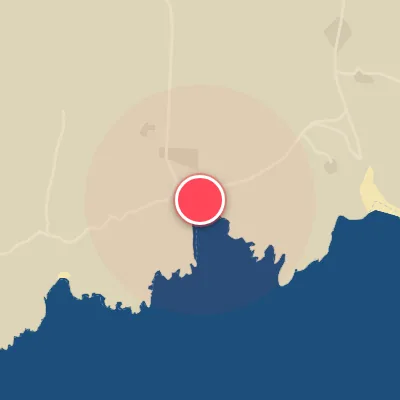
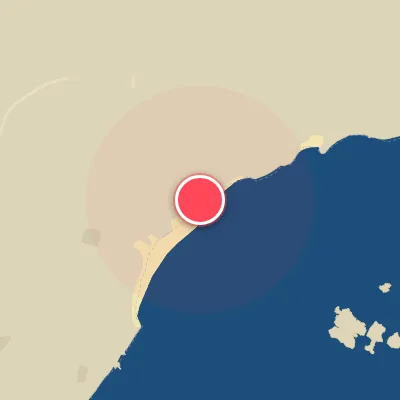
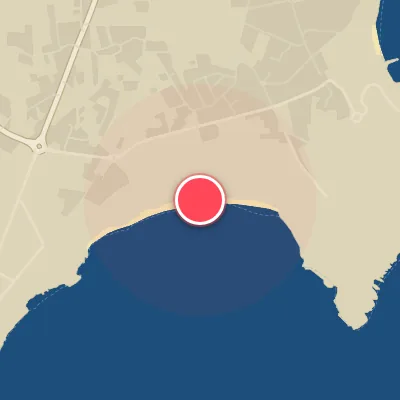
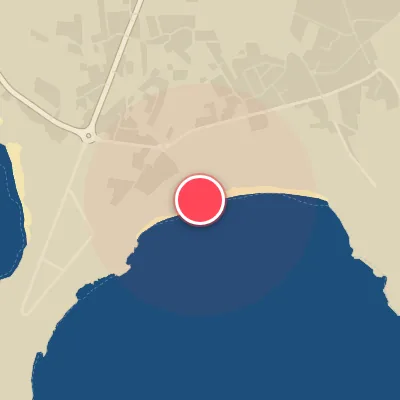
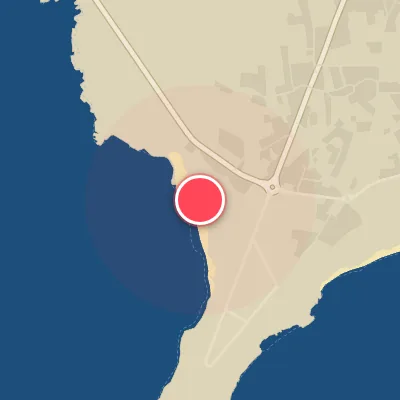
Map
Map
Zavial
Today's Surf Conditions at Zavial
Spot Conditions Map
Hover over the hourly chart columns to update the wind & swell direction overlays on the map.
Today's Surf & Wind Forecast (Hourly)
Loading forecast text...
Spot Overview & Description
Zavial is a classic South Algarve gem—a small, sandy cove that packs a punch when the swell lines up. Its claim to fame is a fast, hollow, and powerful right-hander that wedges off the western point, then peels with authority across the sand, offering fleeting but memorable barrels for those who earn them. This is one of the better-known spots on the south coast, and even a whisper of swell can draw a crowd, so expect company. The wave breaks over sand, and when it’s on, expect heavy, wedgy sections that demand quick reflexes and a sharp rail—no room for hesitation here.
Best Surf Season & Climatology
Best Surf Season (November – March)
Winter in the North Atlantic unleashes its full fury, and for Zavial, these months statistically deliver the highest frequency of swells from the S, SSW and SW quadrants – the directions this exposed beach break loves. While the dominant swell direction remains from the NW (a byproduct of powerful mid-latitude storms tracking northeast), the real gems are the groundswells that rotate into the SW after a deep low passes across the Bay of Biscay. November and December peak with 2.4% and 2.5% of swell coming from these optimal angles, coinciding with average wave periods of 12.0–13.1 seconds – that’s powerful and long period stuff. North to north-northwest winds blow offshore 35–41% of the time, grooming the faces into clean, rippable lines. Expect head-high to well-overhead sets on the best days, especially when the NAO turns negative and blocks push energy further south. This is prime time for Zavial, when both size and direction align.
Fair Surf Season (April – May & September – October)
Transitional months bring a mixed bag. In spring (April-May), the jet stream weakens, storm activity decreases, and average swell heights drop to 1.6–1.9 m with periods sliding into the 9.8–11.1 s range. Optimal swell directions from S/SW still make a modest appearance (1.1% of the time), while north winds remain fairly reliable (31–32% offshore). This produces fun-sized and good waves, often clean but lacking the punch of winter. Autumn (September-October) sees a reawakening: the first extratropical storms begin firing, and the swell period climbs back to 10.4–11.4 s. Offshore wind quality is surprisingly high (43% in September), but the angular spread of swell is still dominated by the NW – only about 1–1.5% comes from the ideal S/SW window. You’ll find plenty of rideable days, but expect consistency to fluctuate as the season ramps up.
Low Surf Season (June – August)
Summer across the Algarve is a different world. The North Atlantic high pressure system locks in place, squashing storm development. Swell heights shrink to an average 1.4 m, periods drop below 9.0 s (average to choppy), and the direction is almost exclusively from the NW and NNW – which is far from ideal for Zavial’s SSW exposure. To make matters worse, the offshore wind potential also hits a low: 28–32% from the north, and much of that is light (0–10 kph). The predominant summer wind regime shifts to the NW and NNW, creating slight onshore or side-shore conditions that mess up the wave face. During these months, if any swell from the S/SW sneaks in (essentially zero), it’s usually weak and short-period. For the hardcore, there are rare glassy mornings with tiny peelers, but most days are best spent on the beach or exploring other breaks. Zavial goes dormant.
Detailed Surf Information for Zavial
Detailed Surf Forecast
Access our detailed 8-day swell and wind forecast charts for Zavial with tidal graphs, period ranges, and daily forecast text summaries.
Swell & Wind Statistics
Explore historical swell consistency, wave heights, and offshore wind windows month-by-month, compiled from over 40 years of data.
Historical Surf Report
Browse the historical database archives to view past wave reports and understand spot climatology during specific years and months.