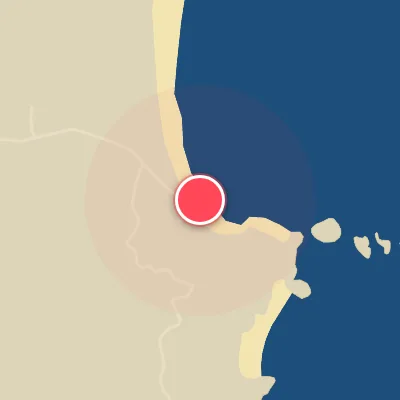
Map
Map
Angourie
Today's Surf Conditions at Angourie
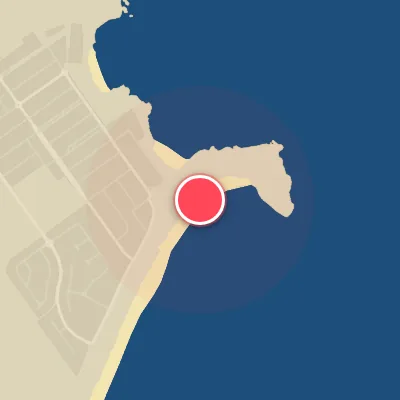
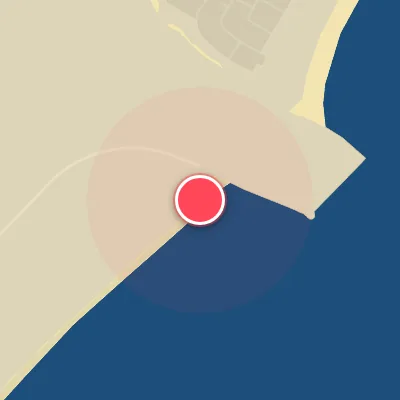
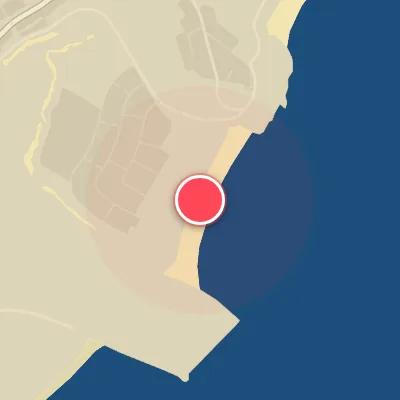
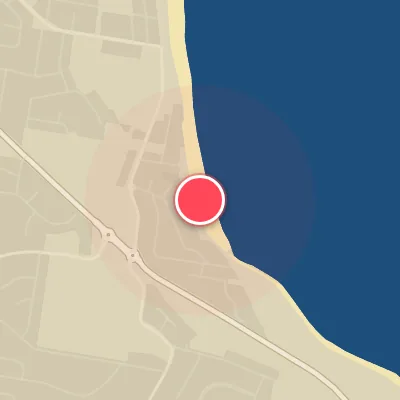
Spot Conditions Map
Hover over the hourly chart columns to update the wind & swell direction overlays on the map.
Today's Surf & Wind Forecast (Hourly)
Loading forecast text...
Spot Overview & Description
Angourie stands as a cornerstone of the New South Wales surf coast, a legendary right-hand point break that draws a global pilgrimage. Set against a backdrop of pristine beaches and a laid-back coastal vibe, this wave is as demanding as it is beautiful. Expect a lineup thick with local knowledge and a deep-seated tribe of regulars; solitude is a rare commodity here. The wave itself is a powerful right-hander that peels over a rocky ledge—entry can be a tactical affair. While it handles a classic east swell best, it also lights up with north-east and south-east pulses. Swell size may average around 3 feet, but don’t let that fool you: Angourie is known to hold serious size, handling triple overhead with authority. This is a wave for expert surfers only, with a paddle out that will test your fitness and local savvy. Optimal conditions align with a south-west wind, and the best tides are low to mid, though an incoming high can still produce if the swell has the right energy. For a change of pace, check the backbeach: when a northerly blows, fun peaks and even a left off the point come into play. If the rocky ledge entry intimidates, paddling out from the beach is a much wiser move—especially for those still earning their stripes in these waters.
Best Surf Season & Climatology
Best Surf Season (May - August)
Angourie fires best during the cooler months of the Southern Hemisphere autumn and winter. As the Pacific storm track shifts northward, a steady stream of E to SSE groundswells marches into the NSW coast, with average wave heights hovering around a solid 1.6m and periods averaging 9.3-9.4 seconds, often stretching into the 10-14s range. More importantly, the frequency of offshore winds from the SW to WNW quadrant peaks dramatically — reaching 58-65% ideal conditions. This combo delivers clean, lined-up surf at the Point and Main Beach, with punchy peaks that wrap beautifully around the headland. If there’s a window of consistency, this is it.
Fair Surf Season (April, September, October)
The shoulder months offer a mix of quality and quantity. April still sees lingering summer swell with periods averaging 9.1s, but the wind patterns transition: ideal offshore percentages climb to 47% in April before dropping in September and October (43% and 31% respectively). During this transition, you can score fun-sized waves with occasional long-period pulses, though the trade-off is variable wind regimes. September sees a return of NE/ENE swell, but the wind clock also includes more N to NE onshore flow, requiring careful session timing.
Low Surf Season (November - March)
The summer months bring the weakest surf consistency at Angourie. From November through February, average swell heights drop to 1.4-1.5m, periods shorten to 8.0-8.8s, and most critically, the dominant wind pattern shifts to NE to SE onshore flow that ruins wave quality. Ideal offshore wind percentages bottom out at 20-25% in December, January, and February. While there are still occasional E to ENE swells that can produce rideable waves — especially early mornings before the sea breeze kicks in — the overall picture is dominated by choppy, messy conditions. March is a transition month, with improving winds (31% ideal) but still mostly short-period swell.
Detailed Surf Information for Angourie
Detailed Surf Forecast
Access our detailed 8-day swell and wind forecast charts for Angourie with tidal graphs, period ranges, and daily forecast text summaries.
Swell & Wind Statistics
Explore historical swell consistency, wave heights, and offshore wind windows month-by-month, compiled from over 40 years of data.
Historical Surf Report
Browse the historical database archives to view past wave reports and understand spot climatology during specific years and months.