Map
Map
Arpoador
Today's Surf Conditions at Arpoador
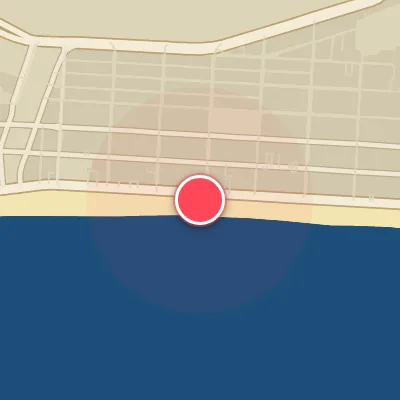
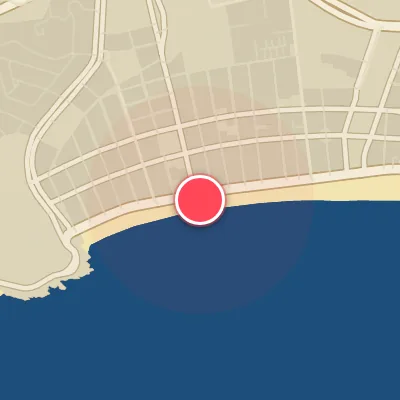
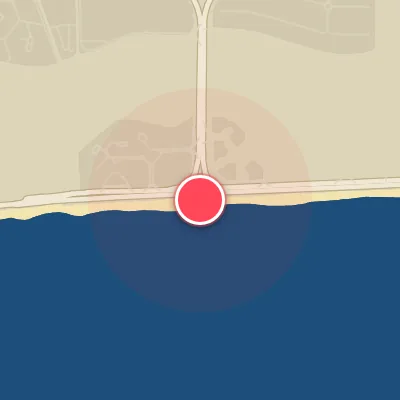
Spot Conditions Map
Hover over the hourly chart columns to update the wind & swell direction overlays on the map.
Today's Surf & Wind Forecast (Hourly)
Loading forecast text...
Spot Overview & Description
Perched on the granite headland that divides Rio's iconic Copacabana and Ipanema beaches, Arpoador is more than just a surf break—it's hallowed ground. Widely celebrated as the birthplace of Brazilian surfing, this point offers a front-row seat to breathtaking coastal views and an electric, ever-present energy. The massive rock outcrop is a landmark in itself, and the lineup is often as packed as the trendy sands flanking it. A unique perk of this urban gem: city lights illuminate the water, making after-dark sessions a distinct possibility for those craving a nocturnal ride. Arpoador’s wave is primarily a left-hander, though occasional rights can peel off on the shoulder. It comes alive with Southeast swells, handling heights from 4 feet (1.2 meters) up to 10 feet (3 meters) and holding even more on its best days, when long, hollow barrels become the reward. The magic recipe calls for lower tides and a clean Northeast wind, producing fast, pitching walls that demand respect. Paddling out is typically straightforward, especially near the rocks on the left side, but don't let that ease fool you. Inconsistency is part of the package, and the lineup can be a lottery—especially outside the prime autumn and winter window, from late May through early September. Locals rule the roost when the swell fires, so a humble, respectful approach is essential. If conditions feel off, neighboring Diablo Beach offers a viable alternative, particularly when Southwest winds blow. Despite the crowds and fickle nature, Arpoador suits a wide range of skill levels—from beginners finding their feet to seasoned surfers chasing that elusive barrel. Just know that when it’s on, it’s unforgettable; when it’s not, you might be better off scanning the horizon elsewhere.
Best Surf Season & Climatology
Best Surf Season (May - August)
Winter in the Southern Hemisphere unleashes its full potential for Arpoador. From May through August, the Atlantic Ocean roars to life as powerful extratropical storms march across the high latitudes, generating long‑period S and SSW swell that lock directly into Rio's south‑facing points. Average wave heights settle into the 1.4‑1.5m range and periods push past 11 seconds, delivering punchy, rippable surf that can easily jump into the 'pumping' category on stronger fronts. Crucially, the offshore wind window from the N‑NNW quadrant blows cleanly 54‑60% of the time, grooming the faces to perfection. This is prime time for Arpoador – think smooth lines, hollow sections, and those coveted glassy mornings.
Fair Surf Season (March - April & September - October)
The shoulder seasons bring a mix of consistent swell and trickier winds. In March and April the Southern Ocean still sends healthy S‑SSW pulses, with average heights around 1.2‑1.4m and periods climbing into the 10‑11s range – often producing 'fun' to 'solid' surf. However, the percentage of ideal offshore wind drops to about 51%, meaning you'll need to pick your windows carefully as onshore S and SSW breezes can quickly roughen the surface. September and October see a transition back to smaller, more variable swell; while south‑quadrant energy remains present, average wave heights slip to 1.3‑1.5m and periods shorten. Wind consistency also takes a hit – offshore conditions occur only 42‑47% of the time – making dawn patrols or late afternoon sessions your best bet for cleaner waves.
Low Surf Season (November - February)
The austral summer and early autumn are the quietest months for Arpoador. Average swell heights hover around 1.1‑1.3m with periods barely reaching 10 seconds, often leaving the lineup in the 'small, fun‑sized' to 'groveling' range. The dominant east‑southeast swell directions (ESE‑SE) produce weak, wind‑swell like waves that rarely wrap into the bay with any real power. Even though the offshore wind percentage is decent (43‑58% from November to February), the lack of consistent south swell means most days are flat or marginal. Expect plenty of small to micro surf – ideal for a longboard or a foamie, but not the kind of juice that gets the blood pumping. Still, the odd strong frontal passage can inject a brief pulse of south energy, providing a few standout sessions in an otherwise mellow period.
Detailed Surf Information for Arpoador
Detailed Surf Forecast
Access our detailed 8-day swell and wind forecast charts for Arpoador with tidal graphs, period ranges, and daily forecast text summaries.
Swell & Wind Statistics
Explore historical swell consistency, wave heights, and offshore wind windows month-by-month, compiled from over 40 years of data.
Historical Surf Report
Browse the historical database archives to view past wave reports and understand spot climatology during specific years and months.