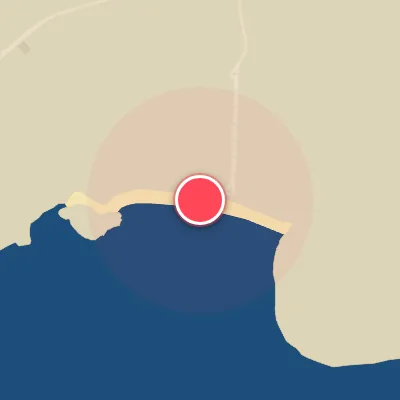
Map
Map
Ipanema
Today's Surf Conditions at Ipanema
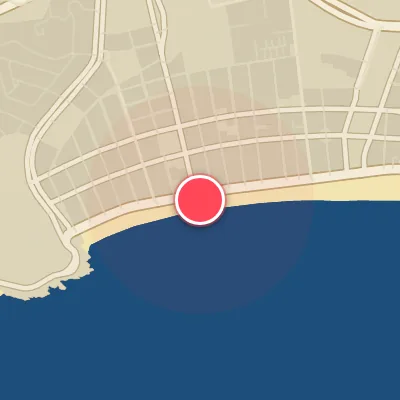
Spot Conditions Map
Hover over the hourly chart columns to update the wind & swell direction overlays on the map.
Today's Surf & Wind Forecast (Hourly)
Loading forecast text...
Spot Overview & Description
Praia de Ipanema may be Rio’s most iconic stretch of sand, but don’t let the postcard views fool you—this is a fickle, city-break wave that demands patience and a sharp eye on the forecast. When conditions align, it dishes out playful chest-high lines (around 1.2 meters) to head-and-a-half overhead sets (about 2 meters), handling swell from 2 to 6 feet (0.6 to 1.8 meters). The magic happens with southeast-to-southwest groundswell, while medium-to-high tides and calm, offshore winds from the northwest to northeast can turn a flat-looking beach into a surprisingly fun left or right peak. The forgiving sand bottom softens the blow, but the peaks are shifty and prone to closeouts near the shore. You’ll need some experience to read the lineup and avoid getting hung out to dry. Autumn and winter bring the most consistent swell, but even then, the quality can be hit-or-miss. Access is easy—just step onto the famous mosaic sidewalk—and while the beach itself gets packed with locals and tourists, the water often feels less crowded than you’d expect. Keep an eye out for rip currents, especially on bigger days, and know that the reward comes when you pick the right peak at the right tide. Not a beginner’s playground, but when Ipanema fires, it’s a wholly satisfying Rio session.
Best Surf Season & Climatology
Best Surf Season (May - August)
During the austral winter, the South Atlantic roars to life as deep low-pressure systems track from the Roaring Forties toward the Brazilian coast. This is when Ipanema truly delivers. Swell from the S, SSW, and SW floods the beach with consistent, powerful groundswell averaging 1.4m and period of 11s. The dominant high-pressure cell over the continent funnels offshore winds from the N to NNW, keeping the surface glassy. Over 61% of days in June and July feature ideal conditions, making this the prime window for punchy, rippable waves that often reach the pumping 1.5-2.5m range.
Fair Surf Season (March - April & September - October)
The shoulder months see a transition in the atmospheric engine. While the South Atlantic still churns out plenty of south-angled swell, the fetch is less organized and average wave heights drop to 1.2-1.4m with periods slipping to 10-10.6s. The wind regime becomes more variable; the percentage of ideal offshore winds drops to around 48-52%. You'll still find fun, solid waves, but expect more days with onshore breezes from S and SW that can chop up the face. April and September offer the best combo of size and reliability, while March and October are more hit-or-miss but can deliver epic sessions when the synoptic setup aligns.
Low Surf Season (November - February)
The austral summer is dominated by a semi-permanent high-pressure ridge over the South Atlantic that weakens storm activity. Swell becomes less frequent and smaller, averaging just 1.1-1.3m with periods around 9.5-9.8s. Most waves arrive as weaker S to SE swell, often too small or mushy for a good ride. Though the wind is still favorable around 50-59% of the time (thanks to persistent land-breezes from N/NE), the lack of swell energy means many days are just groveling on micro waves. December and January are particularly slow, but February can see a slight uptick in period as early autumn storms begin to stir.
Detailed Surf Information for Ipanema
Detailed Surf Forecast
Access our detailed 8-day swell and wind forecast charts for Ipanema with tidal graphs, period ranges, and daily forecast text summaries.
Swell & Wind Statistics
Explore historical swell consistency, wave heights, and offshore wind windows month-by-month, compiled from over 40 years of data.
Historical Surf Report
Browse the historical database archives to view past wave reports and understand spot climatology during specific years and months.