Map
Map
Itacoatiara
Today's Surf Conditions at Itacoatiara
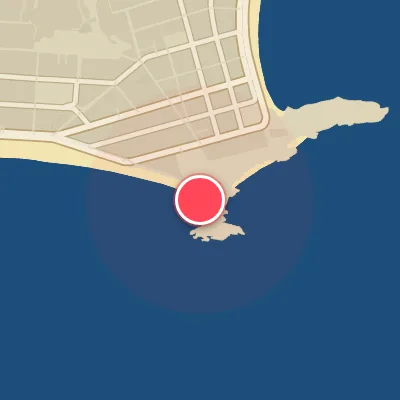
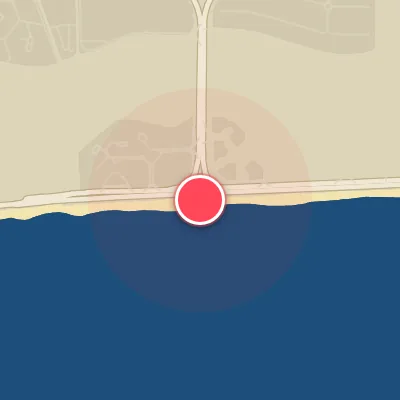
Spot Conditions Map
Hover over the hourly chart columns to update the wind & swell direction overlays on the map.
Today's Surf & Wind Forecast (Hourly)
Loading forecast text...
Spot Overview & Description
Itacoatiara stands as a storied beachbreak near Niterói, just a 14-kilometer drive across the iconic Niterói Bridge over Guanabara Bay. This stretch of sand earns its reputation from raw, heavy, hollow waves that detonate best under south swells, drawing a lively, dedicated crew when the ocean turns on. Expect a vibrant, often competitive lineup when conditions align—this is no secret spot. The wave anatomy here is defined by distinct peaks. West-end locals know Pampo as the go-to for solid right-handers on southwest swell, offering steep drops and fast walls. Mid-beach, the Meno section delivers hard, lurching barrels that demand commitment. For lefts, head toward Costão, which can light up on east-southeast pulses. The sandbar handles swell from a modest 1-foot ripple upward, but packing a punch well beyond its size. Peak performance comes with north winds grooming the face, and while any tide works, a touch of push—mid to high—often yields better shape and depth for critical maneuvers. This is an advanced playground. The infamous air-drops and pitching sections require solid skill and local knowledge to navigate safely. Beginners should look to the mellower, forgiving peaks at neighboring Piratininga or Camboinhas. At Itacoatiara, read the bank, respect the power, and pick your peak wisely. When it lines up, it’s some of the most intense beachbreak surfing on Rio’s coast.
Best Surf Season & Climatology
Best Surf Season (May - August)
The South Atlantic winter roars to life during these months, driven by a climatological strengthening of the polar front and a steady procession of extratropical cyclones spinning up between 40°S and 50°S. At Itacoatiara, this translates into a consistent diet of mid-period to long-period S and SSW groundswells that march right into our SSW-facing beach. Average wave heights hover between 1.4m and 1.5m, with periods often pushing into the 10–11s range – powerful, punchy, and full of potential. Light to moderate offshore winds from the north quadrant (N, NNE, NE, NNW) blow over 60% of the time, grooming the waves into clean, rippable walls. This is the sweet spot: solid winter swell combined with reliable morning offshores. The most consistent and best-quality surf of the year arrives now.
Fair Surf Season (March - April & September - October)
Shoulder months in the South Atlantic bring a transition in both swell and wind regimes. March and April still benefit from the tail end of the winter storm track, delivering average swell heights of 1.2–1.4m and periods of 10.4–10.6s. However, the wind window shifts: ENE and E trades become stronger and more frequent, reducing the percentage of ideal offshore conditions to around 57%. You’ll find fun-sized waves in the morning before the seabreeze kicks in. September and October mark the spring transition; average swell remains decent at 1.3–1.5m with periods around 10s, but the wind becomes less cooperative – ideal offshore frequency drops to 47–49%. Swell directions also shift eastward more often (ESE, SE), which don’t quite line up with the beach as well as pure S or SSW pulses. You can still score, but you’ll need to pick your windows carefully, especially early or late in the day.
Low Surf Season (November - February)
Summer settles over Itacoatiara from November through February, and the surf takes a noticeable chill pill. The South Atlantic storm track retreats poleward, leaving the region in a high-pressure‑dominated pattern. Average wave heights drop to 1.1–1.3m and periods retreat to the 9.5–9.8s range – average, rideable, but lacking power. The swell spectrum is dominated by short‑ to mid‑period ESE and SE pulses that are often too small or too weak to really light up the sandbank. On the bright side, offshore wind frequencies are actually quite good (55–64%), thanks to a persistent land breeze regime that kicks in during the night and early morning. This means you can often find clean waist‑high waves, but the lack of size and punch makes it a groveling season. For those days when a southern hemi groundswell sneaks through, Itacoatiara can still turn on, but such events are the exception, not the rule.
Detailed Surf Information for Itacoatiara
Detailed Surf Forecast
Access our detailed 8-day swell and wind forecast charts for Itacoatiara with tidal graphs, period ranges, and daily forecast text summaries.
Swell & Wind Statistics
Explore historical swell consistency, wave heights, and offshore wind windows month-by-month, compiled from over 40 years of data.
Historical Surf Report
Browse the historical database archives to view past wave reports and understand spot climatology during specific years and months.