Map
Map
Aterro
Today's Surf Conditions at Aterro
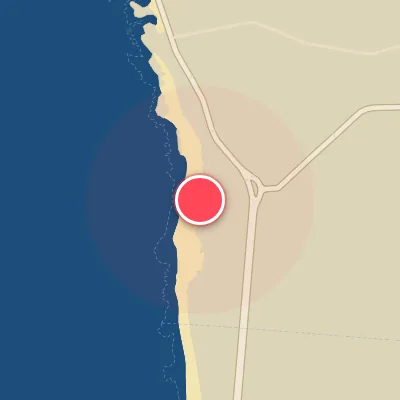
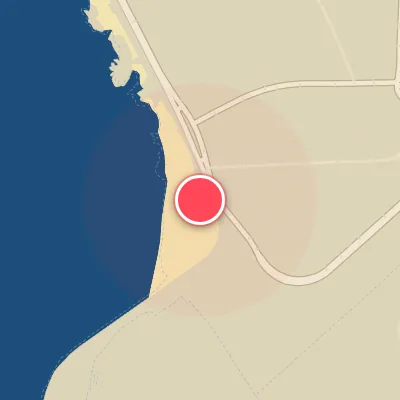
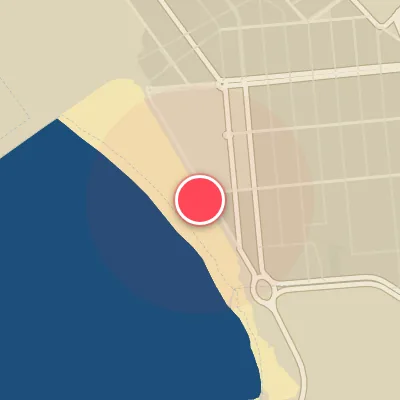
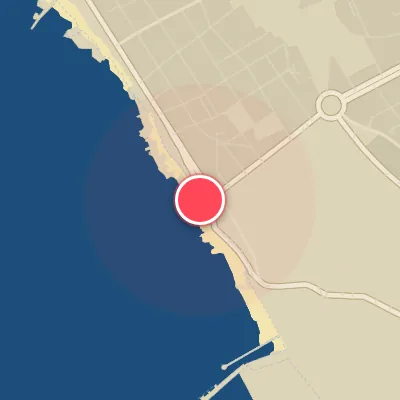
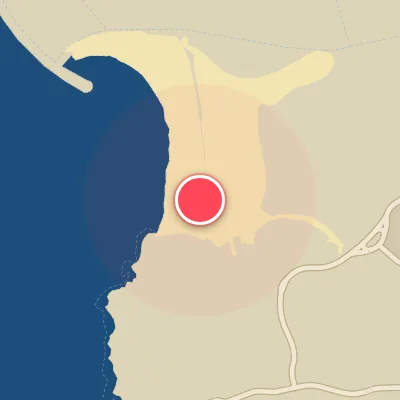
Spot Conditions Map
Hover over the hourly chart columns to update the wind & swell direction overlays on the map.
Today's Surf & Wind Forecast (Hourly)
Loading forecast text...
Spot Overview & Description
Praia do Aterro grinds out a raw, industrial presence just off Perafita, with hulking factories casting a serious shadow over the lineup. The waves here are a brazen mix of a rocky, low-tide left peeling off the point and scrappy, unpredictable beachbreaks. They detonate over a turbulent bed of uneven reef and shifting sand, churning out both lefts and rights that keep you on your toes. The atmosphere is gritty, the waves are feisty—this is no groomed, postcard break.
Best Surf Season & Climatology
Best Surf Season (October - March)
The North Atlantic flexes its muscles during this core winter window, with the Icelandic Low deepening and a parade of extratropical cyclones marching toward the Iberian Peninsula. For Aterro, this means consistent, powerful swell from the NW-to-WNW quadrant, generating average wave heights well over 2m and long periods often exceeding 12s. The Azores High occasionally nudges in, delivering crisp offshore winds from the WNW, W, WSW, and SW—these are the golden windows when beach breaks reel off perfectly. While onshore winds can plague the coast during storm passages, the percentage of ideal wind hits its annual peak (up to 48% in December), making this the prime time for serious surf. Expect pumping, heavy sets in the 1.5–2.5m range and the occasional XL pulse for the chargers.
Fair Surf Season (April, May, September)
As the jet stream begins its northward retreat in spring and slowly dips back in autumn, the surf at Aterro becomes more of a mixed bag. April still sees solid NW swell with average heights around 1.9m and periods near 11s, but the wind ideal percentage drops to 28% as the Azores High starts to build and the northerly trades strengthen. May and September offer similar average heights around 1.6m, but with shorter periods (9–10s) and more frequent onshore summer regimes. These months reward patience: you'll find fun, rippable waves on the better days, especially when a late-season storm sends a long-period groundswell and the wind clocks around to the offshore quadrant. Groveling conditions dominate, but the occasional pumping session keeps hopes alive.
Low Surf Season (June - August)
Summer settles over Aterro like a warm blanket—and the surf goes dormant. The Azores High locks in, squashing the North Atlantic storm track. Average swell heights hover around 1.4m with periods dropping into the 8–9s range, producing weak, small, and often choppy conditions. The dominant wind pattern becomes a persistent north-northwesterly flow, blowing over 30% of the time from the NNW—this is onshore for the WNW-facing beach, ruining wave quality. Ideal offshore wind conditions drop to an abysmal 11–15% of the time. While the odd south-southwesterly breeze can groom the small NW swell into clean, fun-sized waves for a grovel board, the overall picture is one of small and messy surf. It's a great time for a surf trip elsewhere or to enjoy the beach without the crowds.
", "monthly_stats": { "january": "January: The Heart of Winter Power
January is the apex of the North Atlantic storm season, and Aterro reaps the rewards. The average swell height stands at a hefty 2.6m with a long-period mean of 12.8s, driven by deep low-pressure systems that send powerful swells from the NW (22.1%) and WNW (17.2%) quadrants. A significant portion of the energy arrives at heights exceeding 2.5m, creating pumping to XL conditions on the best days. Wind is ideal for surfing 47% of the time—the highest of any month. This ideal window comes when the Azores High builds, feeding offshore flow from the west quadrant (WSW, W, WNW). However, the same storms that generate the swell can also bring strong onshore winds; the persistent N-to-NNE flow (16% combined) can ruin the surface. When the conditions align, expect powerful, long-period walls with offshore groomed faces—the classic Portuguese winter perfection.
", "february": "February: Consistent Swell, Shifting Winds
February maintains the winter momentum with an average swell height of 2.5m and a period of 12.8s—nearly identical to January. The swell direction still heavily favors NW (18.8%) and WNW (21.5%), with a solid mix of W and NNW energy. The wind ideal percentage drops slightly to 43%, reflecting a gradual shift in atmospheric patterns. The Azores High begins to strengthen, but the Icelandic Low remains active, creating a tug-of-war. Offshore wind events from the SW, W, and WWNW are still common, but the frequency of clean glassy days diminishes toward mid-month. The water remains cold, but the consistency is hard to beat—plenty of solid, head-high to overhead sets for the crew willing to suit up and chase the pulse.
", "march": "March: Transitional Power with Occasional Gems
March sees the first signs of spring, yet the North Atlantic still packs a punch. Average swell height drops slightly to 2.3m with a period of 12.2s, indicating slightly less juice than the peak winter months. The swell direction remains dominated by NW (23.2%) and WNW (20.9%), producing plenty of mid-period groundswell. The wind ideal percentage falls to 36% as the northerly trade winds become more prevalent—NNW winds now account for 12.4% of observations, and these are generally onshore for Aterro. However, when a cold front passes and the wind swings to the SW or W, the surf can turn glassy and powerful. March is about picking the right windows; the average conditions remain fun to good, with occasional firing days when a late-season storm aligns with an offshore breeze.
", "april": "April: Losing Steam, But Still Rippable
Winter's grip loosens further in April. The average swell height settles at 1.9m and the period shortens to 10.9s, reflecting the weakening storm track. Swell energy still comes primarily from NW (26%) and WNW (23.8%), but the heights skew toward the 1–2m range rather than the bigger winter sets. The wind ideal percentage drops to 28%, the lowest so far, as the Azores High firms up and drives persistent NNW winds (15.9% of total). These winds are often onshore, adding chop to the shorter-period swell. Still, the occasional low-pressure trough can swing the wind to the SW or W, cleaning up the surf. Expect fun, solid wave heights for a shortboard, but consistency in quality declines. April is for the optimist who watches the synoptic charts closely.
", "may": "May: Grovel Season Begins
May marks a definitive shift into summer style surf. The average swell height drops to 1.6m and the period to 9.8s, meaning most days produce small, weak waves. The swell direction still shows a NW dominance (30.6%), but the energy is spread across the 1–1.5m and 0.5–1m ranges. Longer period groundswells become scarce. The wind ideal percentage plummets to 22% as the northerly flow strengthens—NNW winds blow 20.9% of the time, and NW winds 11.8%, both onshore for Aterro. The best chance for clean waves comes when the wind backs to the SW or SSW (12.4% combined), often during late-afternoon sea breeze shifts or after a weak front. May is a month for groveling on a fish or hybrid, chasing the few clean, fun-sized windows in between the summer chop.
", "june": "June: Small and Challenging
June ushers in the low season with an average swell height of 1.5m and a period of just 9.2s. The swell is almost entirely from the NW quadrant (37.6% from NW plus 23.9% from WNW), but the heights are concentrated in the 1–1.5m and even 0.5–1m categories—true grovel territory. The wind ideal percentage hits a seasonal low of 15%, as the Azores High dominates and drives persistent NNW winds (29% of the time). These winds are generally moderate (10–30kph) but onshore, creating messy, choppy conditions. Small windows of opportunity appear when the wind shifts to the SW or W, but these are rare and short-lived. June is best for longboarders or those content to sit in the lineup and wait for the few waist-high sets that occasionally peel cleanly.
", "july": "July: The Doldrums
July is the nadir of surf quality at Aterro. The average swell height bottoms out at 1.4m and the period drops to 8.5s, producing tiny, weak waves. Swell direction is overwhelmingly NW (44.9%) and NNW (30.6%), but almost all the energy is in the 1–1.5m and 0.5–1m ranges. The wind ideal percentage is a meager 11%, the lowest of the year, as the persistent NNW flow (34.1%) blasts the coast all month. Occasional sea breezes from the SW or W can offer brief windows of cleaner but still small waves. Don't expect to surf any kind of shortboard performance; this is the month for longboards, soft tops, or a road trip north or south in search of better swell. The one upside: uncrowded lineups and warm water.
", "august": "August: Slight Uptick in Swell Energy
August remains in the summer rut, but the swell stats show a subtle improvement over July. Average swell height stays at 1.4m, but the period nudges up to 8.9s, indicating a few more pulses of mid-period energy. The swell direction is still dominated by NW (45.9%) and NNW (28.5%), but the distribution of heights shows a slight increase in the 1–1.5m category and even some 1.5–2m sets. The wind ideal percentage climbs marginally to 14%, still poor, but the occasional front can bring SW winds that clean things up. The Azores High is still in charge, but the early hints of the autumn transition start to appear in the last week. August is for the dedicated soul who knows where to find the occasional fun wave amidst the prevailing chop.
", "september": "September: Autumn Stirrings
September marks the beginning of the autumn transition. The average swell height rises to 1.6m and the period to 10.4s—a noticeable improvement over the summer months. Swell energy from NW (38.6%) and WNW (23.3%) remains the rule, but the heights now extend into the 1.5–2m range more often. The wind ideal percentage jumps to 27%, as the Azores High weakens and the first autumn storms begin to send cold fronts across the Atlantic. These fronts often swing the wind to the SW or W before the next high pressure builds, creating cleaner conditions. September offers a mix: plenty of small days still, but also the first legitimate groundswells of the season. It's a month of anticipation, with each passing week bringing better odds of a solid, glassy session.
", "october": "October: The Season Springs to Life
The North Atlantic roars to life during October, and Aterro sees a sharp jump in average surf heights to 2.0m with a period of 11.2s. This is due to the climatological increase in strong extratropical storms—the jet stream strengthens, lows deepen, and the fetch lines up perfectly for the Portuguese coast. Swell direction is broadly from NW (30%) and WNW (22.8%), with a good spread of W and NNW energy. The wind ideal percentage climbs to 39%, as the more zonal flow brings a better balance of offshore winds from the west quadrant. Still, the storms themselves often bring onshore winds; it's the classic autumn game of chasing the right window. When it all clicks—long-period swell, sunny skies, and a light offshore breeze—the waves at Aterro are world-class. October is the start of the six-month prime window.
", "november": "November: Consistent Grind with High Quality
November locks into full winter mode. The average swell height reaches 2.3m with a period of 11.8s, driven by a relentless parade of low-pressure systems. The swell direction leans NW (22.5%) and WNW (18.7%), with a solid chunk of W and WWNW energy. The wind ideal percentage holds strong at 44%, as the Icelandic Low dominates and the Azores High occasionally ridges in from the Atlantic, creating offshore flow from the west quadrant. Northern winds (NNW, N) are also common but less disruptive than in summer. November delivers consistent, powerful surf with frequent head-high to double-overhead sets. The combination of long-period groundswell and reliable offshore winds makes this month one of the best for those seeking quality over quantity. Expect pumping conditions with the occasional XL day for the brave.
", "december": "December: Winter Peak Sets In
December matches January as the absolute peak of winter power. Average swell height hits 2.5m—among the highest of the year—while the average period extends to 12.5s. Swell arrives from a wide spread of WNW (18.5%), NW (19.8%), and W (7.8%), with plenty of energy in the 2–2.5m range. The wind ideal percentage reaches 48%, the highest of the year, as the Azores High is often positioned far enough south to funnel offshore winds across the Portuguese coast. The dominant winds are from the E (13.3%) and SE
Detailed Surf Information for Aterro
Detailed Surf Forecast
Access our detailed 8-day swell and wind forecast charts for Aterro with tidal graphs, period ranges, and daily forecast text summaries.
Swell & Wind Statistics
Explore historical swell consistency, wave heights, and offshore wind windows month-by-month, compiled from over 40 years of data.
Historical Surf Report
Browse the historical database archives to view past wave reports and understand spot climatology during specific years and months.