Map
Map
Boilers
Today's Surf Conditions at Boilers
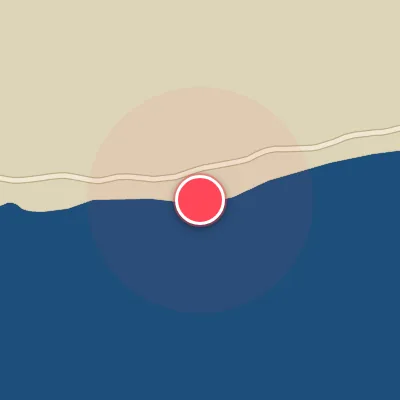
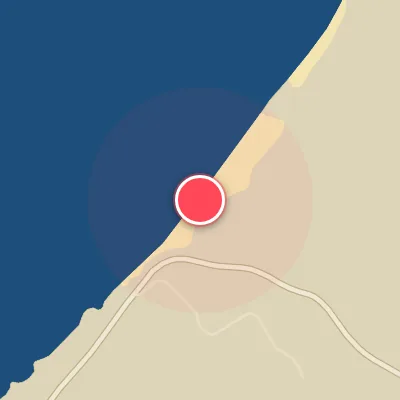
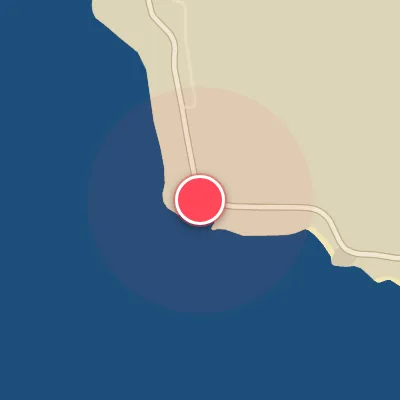
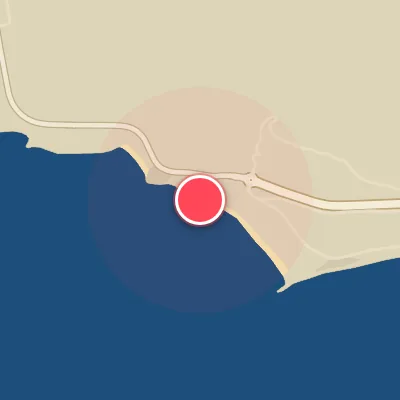
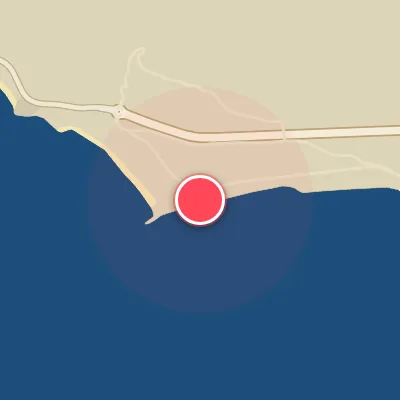
Spot Conditions Map
Hover over the hourly chart columns to update the wind & swell direction overlays on the map.
Today's Surf & Wind Forecast (Hourly)
Loading forecast text...
Spot Overview & Description
Nestled along the rugged Moroccan coastline just south of the Cap Rhir lighthouse, Boilers draws its name from a haunting relic—a ship’s boiler left washed ashore—giving this spot a distinct character that’s as gritty as its waves. Consistency and power are its trademarks, delivering waves that hit hard and fast. The lineup tends to draw a skilled, hungry crew, so expect company when the swell fills in. Boilers is a dedicated right-hander that truly comes alive when northwesterly swell pulses through. While it can handle waves as small as 3 feet (1 meter), it’s capable of handling much larger, more serious surf. The waves here are known for vertical lips and racy speed walls, often supercharged by north-easterly winds that funnel off the surrounding hills. The break is a point wave peeling over an uneven reef, demanding respect and experience—urchins and sharp rocks lurk on the entry and exit, so advanced skills are non-negotiable. For the best session, aim for mid tide, when the wave shape balances out. Keep in mind that Boilers tends to draw a bigger crowd than nearby spots like Tarhazoute, thanks to its knack for catching swell that passes others by. If you’re an expert surfer hungry for a challenge and ready for a crowd, this is your stage.
Best Surf Season & Climatology
Best Surf Season (October - March)
The North Atlantic winter kicks into high gear from October through March, delivering the largest and most consistent swell to the Moroccan coast. Average wave heights hover between 2.0m and 2.2m with long-period energy (12-13s) that gives Boilers some real push. While the dominant swell direction is from the NNW-NW quadrant — not ideal for this SW-facing reef — the prevailing offshore winds from the north (N, NNE) blow clean and strong over 40-45% of the time, sculpting the waves into workable lines. This is the most reliable window for head-high to well-overhead surf, especially when a rare SW component sneaks in.
Fair Surf Season (April & September)
These shoulder months bring a transition in the North Atlantic storm track. Swell heights drop slightly to 1.5-2.0m and periods shorten to 10-11s. The wind efficiency diminishes (25-35% ideal) as the trade winds strengthen and shift more northerly, yet still often offshore. The swell remains predominantly from the NNW-NW, so the quality is a step down from winter but still rideable, especially during windows of lighter north winds. September sees a notable uptick in south-westerly swell possibility compared to summer, making it a wildcard month.
Low Surf Season (May - August)
Summer brings the doldrums to the North Atlantic. Swell heights average 1.6-1.8m with short, weak periods of 7-9s — mostly windswell from the persistent N-NNW trades. The swell direction is almost exclusively from the NNW-NW, which is far from optimal for Boilers. The wind blows onshore from the north? Wait, data shows wind mostly from N (offshore) but at high speeds. However ideal wind percentage drops to 18-23% because the wind becomes too strong and/or shifts slightly more north-northwest? Let's check: in June, N wind 45.4% but ideal for surfing? The definition of ideal wind is from N, NNO, NO, ONO. So N is ideal. But the percentage of ideal wind in June is 20%. That's because wind speeds are high (often 20-40 kph) which can be too strong, or maybe also because the swell is so weak. We'll explain: "The summer months suffer from a chronic lack of powerful groundswell. Small to moderate short-period NNW windswell dominates, and while the wind often blows offshore from the north, it frequently cranks up to 30-50kph, creating bumpy, choppy conditions. This is the low season at Boilers — save your energy for winter.
", "monthly_stats": { "january": "January: Deep Winter Grind
January is the peak of the North Atlantic storm track, pumping consistent groundswell towards Morocco. Average swell height hits 2.2m with a solid 13.3s period — that's powerful, long-period energy. The swell predominantly arrives from the NNW (28.7%) and NW (32.5%), with only a tiny fraction from the optimal SW-WSW range (0.4%). Wind is ideal 46% of the time, mainly from N (27.5%) and NNE (15.5%) blowing offshore. This creates a situation where the waves are frequently big and clean in the channel but lack the perfect groomed shape that a direct SW swell would bring. Look for the rare days when a south-westerly component mixes in — then Boilers fires.
", "february": "February: Consistency with a Side of Wind
February mirrors January in swell size (2.2m, 13.0s) but sees slightly less frequent ideal wind (41%). Swell continues to pour in from the NNW (32.7%) and NW (27.9%), with a minor bump in WNW swell (7.6%). The wind pattern is dominated by N (32%) and NNE (15.3%), but stronger gusts in the 30-50 kph range can make the surface bumpy. The long period ensures the waves have plenty of push, and offshore mornings often deliver clean, overhead walls. Patience is key — wait for the swell to swing a touch more west or for the wind to ease.
", "march": "March: Transitional Power
March still offers solid winter averages: 2.2m and 12.4s. The swell direction is heavily weighted towards NNW (35%) and NW (27.3%), but we start to see a slight increase in W and WWW swell compared to earlier winter. Ideal wind drops to 35% as the trades strengthen — N wind (34.4%) and NNW (13.6%) are common, but sometimes back to NE. The combination of strong offshore wind and long-period NW swell can create fast, hollow sections on the reef, especially if the swell has any west in it. A good month for experienced surfers willing to read the direction.
", "april": "April: Size Drops, Wind Picks Up
April sees the first clear downshift in swell energy: average height 2.0m, period 10.9s. The swell is still primarily from NNW (46.3%) and NW (23.9%), with almost no south component. Ideal wind plummets to 25% because N winds are now very strong (42.8% total N, with 13.4% in 30-40 kph range and 9.9% in 40-50 kph). These strong north winds are offshore but create heavy chop and windswell overlay. Surfable waves are still there, especially on smaller days with lighter winds, but quality is inconsistent.
", "may": "May: Summer Creep
May marks the transition to summer swell patterns. Average swell height drops to 1.8m and period shortens to 9.4s — a punchy, average period but lacking real groundswell power. The swell direction is overwhelmingly from the NNW (62.9%), with NW (19.3%) making up most of the rest. Ideal wind percentage falls to 21% as N winds dominate (45.6%) but at high speeds (15.8% in 30-40 kph). The trade wind swell is rideable but often bumpy. Boilers becomes a windswell magnet, and you'll need to pick your windows carefully — early mornings or lighter days.
", "june": "June: Small and Bumpy
June is the heart of the low season. Swell height averages 1.6m with a short 8.4s period — mostly local windswell. The swell is almost entirely from the NNW (78.9%) and NW (12.3%). Ideal wind is down to 20% — N wind blows 45.4% of the time but often at 20-40+ kph, creating choppy, messy conditions. The waves are small and weak, rarely breaking with any power. This is a month better spent on other boards — or waiting for a rare southern hemisphere groundswell that might sneak in.
", "july": "July: The Doldrums
July is the absolute low point for swell at Boilers. Average wave height is 1.6m and period is a weak 7.8s — barely enough to wrap around the reef. Swell direction is almost monochromatic: 93.8% from the NNW, with a tiny 0.8% from NW. Ideal wind sits at a dismal 18% — N winds dominate (60.3% total) but at strong speeds (21.9% in 30-40 kph). The result is a constant, bumpy, onshore-angled windswell that fails to deliver any quality surfing. Time to travel or take a break.
", "august": "August: A Glimmer of Hope
August offers a slight uptick compared to July. Swell height remains at 1.6m but period increases to 8.2s, indicating more consistent trade wind swell. The direction is again overwhelming NNW (93.8%). Ideal wind improves to 23% — N winds (58.7%) are still strong but with fewer extreme speeds. Small, fun-sized waves can appear, especially on days with lighter north winds. It's still far from prime, but for the dedicated surfer, there are occasional grovelable peaks.
", "september": "September: The Turning Point
September is the first month that hints at winter. Swell height averages 1.5m but period jumps to 10.1s — a significant increase in power. The swell direction remains mostly NNW (74%) and NW (19%), but there is a slight increase in NW vs. previous months. Ideal wind reaches 35% as the N wind (48.2%) moderates and wind from NNE and NE (6.8% and 2.4%) provides cleaner offshore flow. The long-period pulses from distant storms can produce clean, waist-to-shoulder high waves on a good day. The season is starting to awaken.
", "october": "October: Winter Arrives
October sees a sharp ramp-up in swell. Average height climbs to 1.8m and period to 11.6s, with many pulses exceeding that. The swell direction spreads out a bit: NNW (53.1%), NW (30.4%), and WNW (3.7%) — still north of optimal but more west in the mix. Ideal wind is a solid 45% — N (35.4%), NNE (12.3%), and NNW (15.6%) combine to keep the wind offshore and often light. This is the start of the best time of year at Boilers: consistent, powerful swells groomed by reliable north winds.
", "november": "November: Peak Season in Full Swing
November delivers winter goodness: average swell height 2.0m, period 12.3s. The swell is still dominated by NNW (41.3%) and NW (28.5%), but a slight increase in W and WSW (total 1.7%) means more potential for direct, optimal swell. Wind is ideal 45% of the time, with N (28.8%), NNE (15.7%), and NNW (9.8%) providing clean offshore flow. The combination of long-period groundswell and offshore winds produces classic Boilers: fast, hollow rights and lefts that reel off the reef. This is prime time.
", "december": "December: Consistent Winter Power
December closes the year with strong stats: 2.1m average height, 12.9s period. Swell direction is well distributed: NNW (31.7%), NW (27.9%), and a notable 12% from WNW — more west than earlier months. Ideal wind is 45%, with N (23.5%), NNE (14.4%), and a wider spread of NE-E winds that also blow offshore (totals from NE through E add up to ~14%). This mix of a slightly more westerly swell and varied offshore wind directions creates some of the best, most user-friendly conditions of the year. December is a top-tier month for Boilers.
" } }Detailed Surf Information for Boilers
Detailed Surf Forecast
Access our detailed 8-day swell and wind forecast charts for Boilers with tidal graphs, period ranges, and daily forecast text summaries.
Swell & Wind Statistics
Explore historical swell consistency, wave heights, and offshore wind windows month-by-month, compiled from over 40 years of data.
Historical Surf Report
Browse the historical database archives to view past wave reports and understand spot climatology during specific years and months.