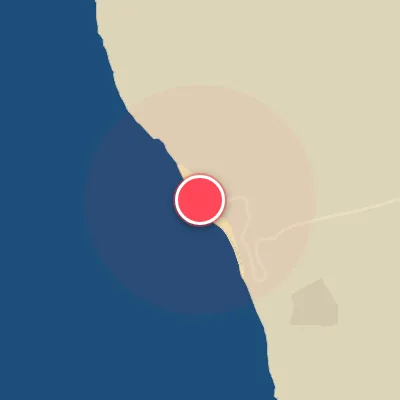
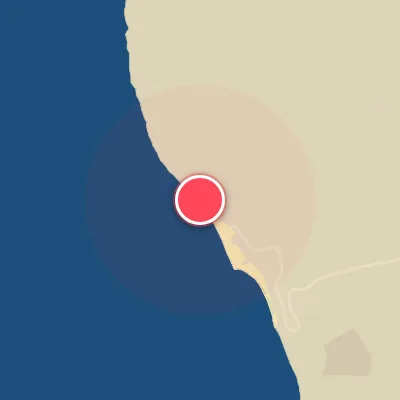
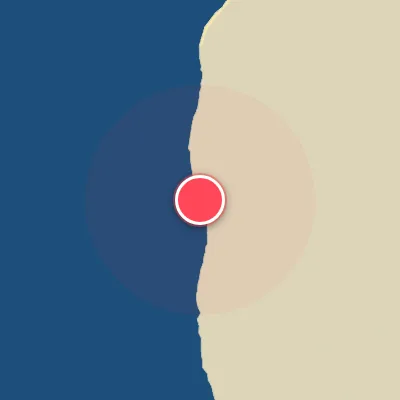
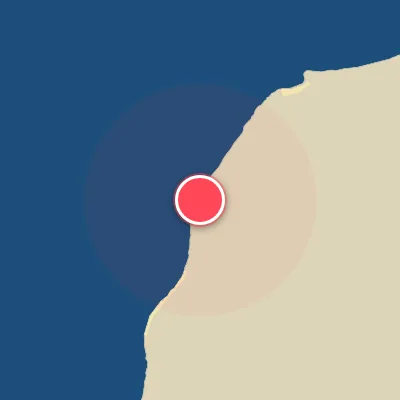
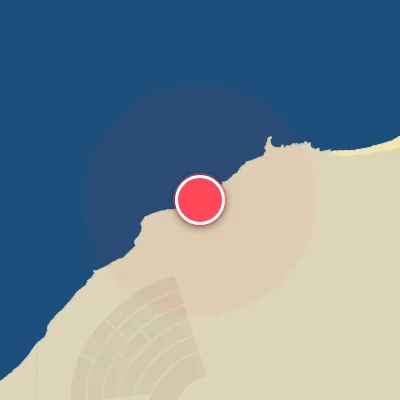
Map
Map
Bridges
Today's Surf Conditions at Bridges
Spot Conditions Map
Hover over the hourly chart columns to update the wind & swell direction overlays on the map.
Today's Surf & Wind Forecast (Hourly)
Loading forecast text...
Spot Overview & Description
Bridges is a quintessential Aguadilla right-hander, peeling for roughly 100 yards over a blend of sand and reef. Positioned right across from government buildings in the heart of town, this playful pointbreak offers multiple rippable sections that keep things lively from takeoff to exit. The wave generally holds a glassy surface, though south winds can wrinkle it up, and when conditions align the lineup gets thick—especially when nearby spots are maxed out. Best under a northwest swell, Bridges fires in the 4- to 10-foot range (1.2 to 3 meters), with right-breaking waves that shine during autumn and winter. Lower to mid tides are ideal, and an easterly wind direction keeps the faces clean. This spot is geared for intermediate surfers comfortable on a shortboard or bodyboard; it truly turns on when a solid north or northwest pulse rolls in, rewarding patience with a genuinely fun ride. Access couldn’t be easier, with parking right at the beach—but don’t expect solitude. When the swell is good, expect to share the peak with a lively local crowd. Late summer and fall can bring tropical cyclone energy, but for consistent swell windows, late fall through early spring is your best bet. Grab your board and be ready to work for your waves.
Best Surf Season & Climatology
Best Surf Season (December - February)
The heart of winter brings the most consistent swell to Bridges, with average wave heights hovering around 0.8m and periods stretching to 7.0s. While the dominant swell direction remains from the ESE, a slight uptick in NNW and N energy during these months adds a touch of variety. The trade-off is a lower percentage of offshore wind (31-37%), as strong high-pressure systems over the continent occasionally drive gusty ENE winds. Still, when a cold front clears the coast and winds clock around to the north or east, you can score punchy, rideable waves with decent shape. It's the season to check the forecast diligently and pounce on the windows of clean conditions.
Fair Surf Season (March - May & November)
Spring and late fall serve as transitional periods, offering a mixed bag. March through May sees a gradual decline in swell height from 0.7m to 0.6m and periods dropping to 6.3s, but the trade-off is a marked improvement in offshore wind frequency, peaking at 56% in May. The swell continues to be dominated by ESE and SE directions, delivering mostly small, groveling waves. November mirrors March with average 0.7m swell and 6.5s period, but ideal wind drops to 38%. These months are best for beginners or those wanting to log easy sessions on clean, small waves – think longboard and foamie territory.
Low Surf Season (June - October)
Summer and early autumn bring the doldrums to Bridges. Average surf height sinks to 0.6-0.7m and periods bottom out at 6.0-6.3s, with a near-total reliance on southeast swell. The silver lining is that June offers the highest percentage of offshore wind (63%), making for glassy, micro conditions ideal for groveling. July through October sees ideal wind frequency drop to 42-46%, while the swell remains small and weak. The ocean often looks like a lake, with only the faintest southeast pulses barely breaking. This is the season for waist-high slop and closeouts – unless a rare tropical system angles in from the south, but even then the west-facing orientation rarely lines up. Grab the groveler and practice your turns on the tiny bumps.
Detailed Surf Information for Bridges
Detailed Surf Forecast
Access our detailed 8-day swell and wind forecast charts for Bridges with tidal graphs, period ranges, and daily forecast text summaries.
Swell & Wind Statistics
Explore historical swell consistency, wave heights, and offshore wind windows month-by-month, compiled from over 40 years of data.
Historical Surf Report
Browse the historical database archives to view past wave reports and understand spot climatology during specific years and months.