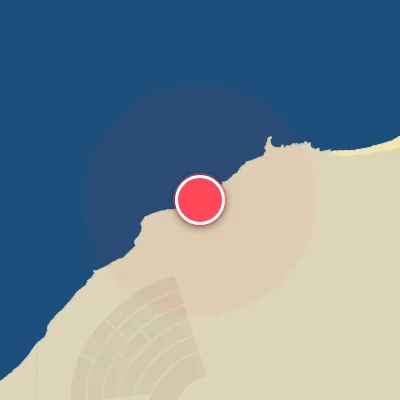
Map
Map
Crash Boat
Today's Surf Conditions at Crash Boat
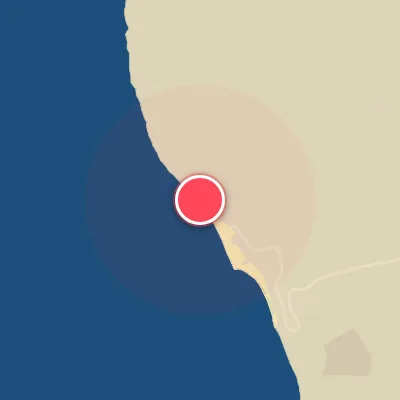
Spot Conditions Map
Hover over the hourly chart columns to update the wind & swell direction overlays on the map.
Today's Surf & Wind Forecast (Hourly)
Loading forecast text...
Spot Overview & Description
Crash Boat Beach sits tucked along the south side of a rocky jetty, offering a wave that’s equal parts fun and fickle. The setup is unique—an old navy dock decomposing beneath the surface has shaped a sandy reef bottom that can produce some unexpectedly playful rides. In truth, this spot is more of a novelty than a go-to, except when a solid northwest swell lines up and transforms it into a legitimate contender. The wave itself is a right-hander, peeling over a sand bottom as it pushes in from deeper water and rolls all the way to shore. It handles swell sizes from about 4 to 10 feet (1.2 to 3 meters), with the magic range often starting around chest-high and maxing out at overhead. Best results come from a northwest direction, though west and north swells can also get it to break. For wind, a northeast breeze is ideal, and the wave works at any tide—low, mid, or high. That combination of factors makes it a solid choice for intermediate surfers looking for a reliable, approachable wave when conditions align. But beware: word travels fast, and when it’s on, the lineup can get crowded. Getting there is straightforward. Follow Route 107 and keep an eye out for signs that point the way to the beach. Once you’re in the water, expect a charged local vibe—particularly from aggressive bodyboarders who don’t shy away from confrontation. It can get tense, so keep your head on a swivel and your respect dialed in. While you’re enjoying the session, do your part to keep the beach clean; litter is a recurring issue here. Crash Boat delivers its best during late summer and fall when tropical swells roll in, and more consistently from late fall through early spring when winter groundswells arrive. When the conditions click, it’s a rewarding spot that offers a genuine taste of Puerto Rico’s north coast character.
Best Surf Season & Climatology
Best Surf Season (December - March)
The North Atlantic winter pattern drives the most consistent swell energy toward Puerto Rico, and Crash Boat sees its highest average wave heights (1.5–1.6m) and longest periods (9.8–10s) during these months. However, the dominant swell direction is from the NE to ENE quadrant — almost directly opposite the beach's WSW exposure. This means the vast majority of waves are not well-aligned, resulting in short-period, often messy windswell that struggles to wrap in with any quality. The trade winds blow offshore from the E-ENE over 40% of the time, providing clean faces, but the wave shape remains poor due to the misaligned swell. The rare intrusion of a more westerly component can produce a decent day, but statistically those are very slim. Think of it as a lot of energy with little reward.
Fair Surf Season (April, October, November)
As the seasons transition, average swell heights drop to between 1.1 and 1.5m, and periods hover around 9–10s. The NE-ENE swell direction still dominates, but there's a slight uptick in variability, with occasional pulses from the N and NNE that can wrap into the cove. Wind conditions remain favourable, with offshore winds from the ENE-E quadrant occurring 53–66% of the time. April and October in particular see ideal wind percentages, but the waves still lack the size and alignment for truly great surf. It's a shoulder season where you can find clean, rideable waves if you're patient, but don't expect power.
Low Surf Season (May - September)
Summer brings a dramatic drop in swell energy. Average wave heights fall to 1.0–1.1m, and periods shorten to a dismal 6.7–8.7s, indicative of purely local windswell. The swell direction remains locked in from the ENE and E, producing weak, short-period waves that barely break with any form. While the trade winds still blow offshore 51–67% of the time, the lack of consistent swell makes for mostly groveling conditions. Occasional afternoon sea breezes from the SW can further degrade quality. This is the true low season for surf at Crash Boat, best reserved for longboard or SUP sessions when the ocean is otherwise flat.
Detailed Surf Information for Crash Boat
Detailed Surf Forecast
Access our detailed 8-day swell and wind forecast charts for Crash Boat with tidal graphs, period ranges, and daily forecast text summaries.
Swell & Wind Statistics
Explore historical swell consistency, wave heights, and offshore wind windows month-by-month, compiled from over 40 years of data.
Historical Surf Report
Browse the historical database archives to view past wave reports and understand spot climatology during specific years and months.