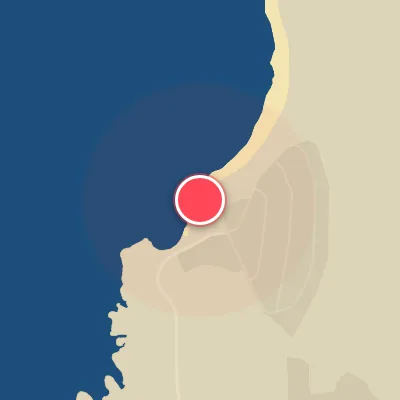
Map
Map
Cables
Today's Surf Conditions at Cables
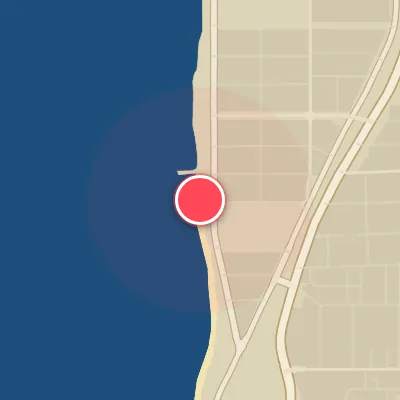
Spot Conditions Map
Hover over the hourly chart columns to update the wind & swell direction overlays on the map.
Today's Surf & Wind Forecast (Hourly)
Loading forecast text...
Best Surf Season & Climatology
Best Surf Season (April - August)
As the Southern Hemisphere transitions into autumn and winter, the Indian Ocean roars to life and Cables reaps the rewards. From April through August, the average swell height climbs from 2.0m to a peak of 2.7m, accompanied by powerful long-period groundswells (12.7-13.1s) that wrap efficiently into the west-facing pocket. The dominant swell direction remains SSW-SW, which, while slightly south of the ideal WSW-W window, still delivers consistent, punchy waves that hold shape well. Crucially, this period sees the highest percentages of offshore wind (38-48% ideal), with the ESE and E quadrants blowing cleanly across the lineup. The result is a prolonged stretch of solid, rippable surf, often in the 1.5-2.5m 'pumping' range, with plenty of overhead plus days that demand a step-up.
Fair Surf Season (September - November)
As winter fades, the storm track retreats and the jet stream weakens, leading to a gradual decline in both swell size and wind consistency. September still offers impressive average heights of 2.6m and long periods (13.0s), but the frequency of light offshore breezes drops to 33%, meaning more afternoons are marred by onshore W-SW winds. October and November see swell heights taper to 2.2m and 2.0m respectively, with periods dipping below 13s. The swell direction remains stubbornly SSW-SW, so the quality is still decent, but you'll need to pick your windows carefully – early mornings often deliver the cleanest conditions before the sea breeze kicks in. The 'fair' label is fitting: plenty of fun waves, but fewer of those flawless, glassy sessions.
Low Surf Season (December - March)
Australia's summer months bring a distinct lull to Cables. Average swell heights hover around 1.8-1.9m, with periods settling into the 11.6-12.4s range – still rideable but lacking the raw power of winter swells. The wind picture is the bigger issue: ideal offshore conditions occur only 25-35% of the time, as the dominant wind pattern shifts to a persistent S-SSW flow that creates bumpy, onshore conditions. Swell direction is dominated by SSW-SW, which at smaller sizes tends to produce weaker, less organized waves. While an occasional tropical low or distant storm can fire up a pulse, the overall consistency and quality are subdued. This is the season for groveling boards and chasing the early-morning wind slaps – not the time to plan a dedicated surf trip.
Detailed Surf Information for Cables
Detailed Surf Forecast
Access our detailed 8-day swell and wind forecast charts for Cables with tidal graphs, period ranges, and daily forecast text summaries.
Swell & Wind Statistics
Explore historical swell consistency, wave heights, and offshore wind windows month-by-month, compiled from over 40 years of data.
Historical Surf Report
Browse the historical database archives to view past wave reports and understand spot climatology during specific years and months.