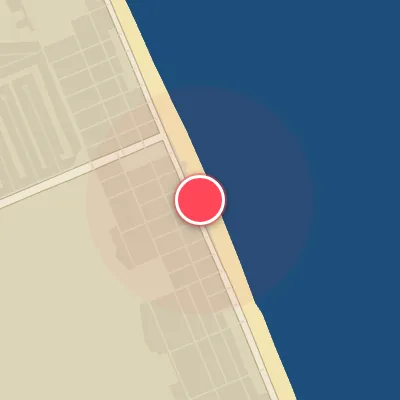
Map
Map
Daytona Beach
Today's Surf Conditions at Daytona Beach
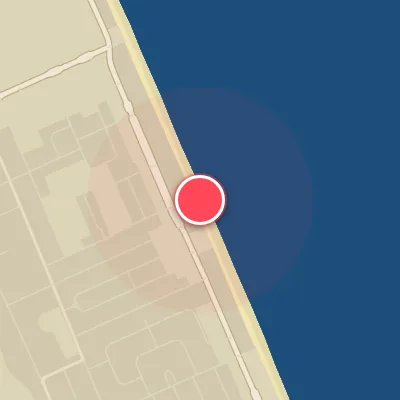
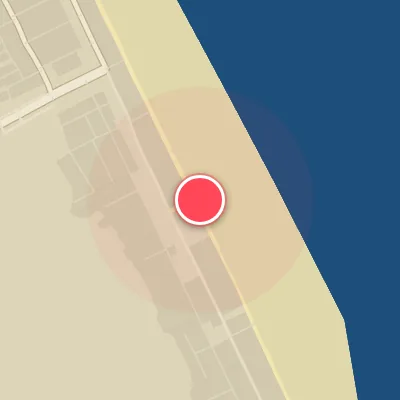
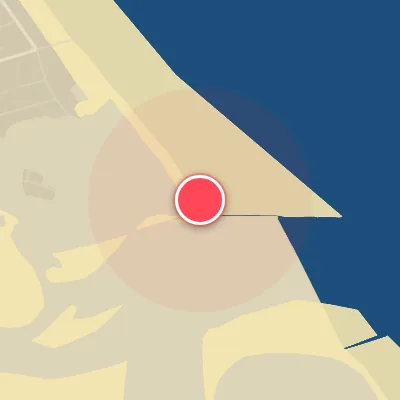
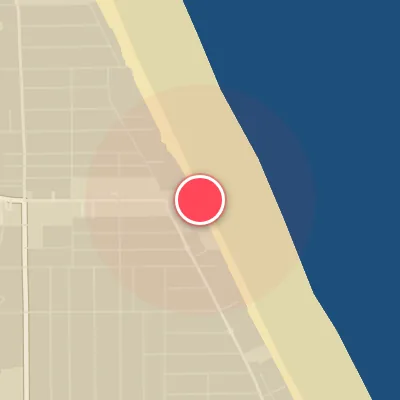
Spot Conditions Map
Hover over the hourly chart columns to update the wind & swell direction overlays on the map.
Today's Surf & Wind Forecast (Hourly)
Loading forecast text...
Spot Overview & Description
Daytona Beach serves up a classic, high-traffic sand-bottom surf zone centered around the iconic Main Street Pier. On the north side, Pier Bowls can deliver hollow, rippable rights that reel off with surprising length when conditions align. The south side tends to run more mechanical and walled, though it can occasionally pitch into short, bowly sections when the right swell and tide stack up. Overall, the wave quality here is average, with a wide variety of peaks stretching along the coast, none of which are particularly consistent or world-class. Still, Daytona remains a valuable proving ground for newer surfers looking to log plenty of reps in a forgiving, beach-break setting.
Best Surf Season & Climatology
Best Surf Season (October - March)
The heart of the winter swell window brings the most consistent and powerful surf to Daytona Beach. From October through March, the average swell height hovers between 0.7 and 0.8m, with periods often reaching 8.0-8.5s. This is when cold fronts sweeping across the southeastern US generate plentiful E, ENE, NE, and NNE swells – the optimal directions for this East-North-East facing shoreline. Simultaneously, high pressure systems building to the northwest deliver clean offshore winds from SSW, SW, WSW, and W around 17-21% of the time, creating the best combination for groomed, punchy waves. While the average height stays modest, the increased period and favorable wind windows make these months the most reliable for quality surf.
Fair Surf Season (April - May & September)
These transitional months see a dip in consistency but still offer decent opportunities. Average swell heights drop to 0.6-0.7m and periods shorten slightly to 7.8-8.0s in April/May, while September holds 0.7m and a solid 8.9s average period – a sign of lingering tropical energy. The wind becomes less cooperative: ideal offshore flow occurs only 12-17% of the time, as the Bermuda High strengthens and directs more onshore E and ESE winds onto the beach. However, early and late season cold fronts can still deliver fun, rippable conditions, especially when strong high pressure sets up over the continent.
Low Surf Season (June - August)
Summer brings the doldrums to Daytona Beach. Average swell heights bottom out at 0.4-0.5m with periods around 8.1s (inflated by distant tropical swell that rarely makes landfall cleanly). The swell direction is overwhelmingly from the E and ESE, which produces weak, short-period waves that struggle to stand up. More critically, the dominant SE to S winds (onshore and cross-onshore) blow over 90% of the time, with ideal offshore wind from the west occurring a meager 6-8% of the month. The result is small, choppy, and often messy conditions – truly a low season best saved for a beach day rather than a surf session.
Detailed Surf Information for Daytona Beach
Detailed Surf Forecast
Access our detailed 8-day swell and wind forecast charts for Daytona Beach with tidal graphs, period ranges, and daily forecast text summaries.
Swell & Wind Statistics
Explore historical swell consistency, wave heights, and offshore wind windows month-by-month, compiled from over 40 years of data.
Historical Surf Report
Browse the historical database archives to view past wave reports and understand spot climatology during specific years and months.