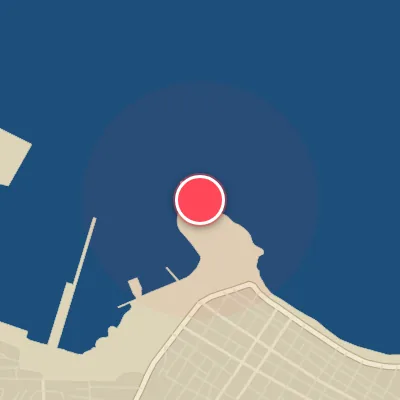
Map
Map
Destroyers
Today's Surf Conditions at Destroyers
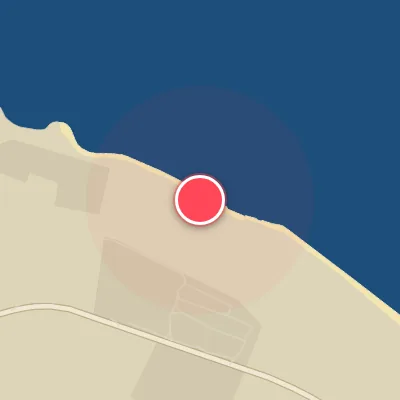
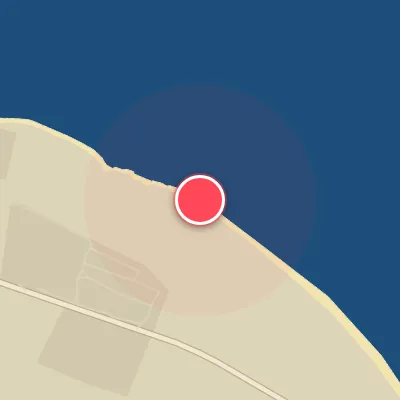
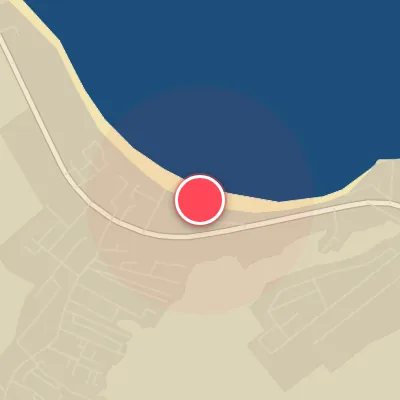
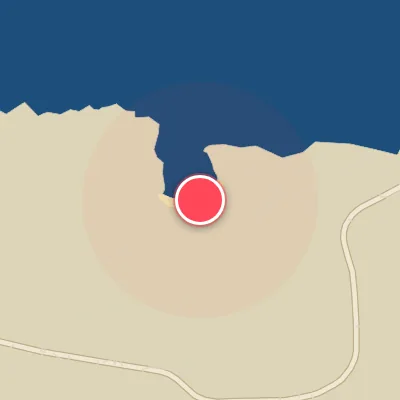
Spot Conditions Map
Hover over the hourly chart columns to update the wind & swell direction overlays on the map.
Today's Surf & Wind Forecast (Hourly)
Loading forecast text...
Best Surf Season & Climatology
Best Surf Season (December - March)
The heart of the North Atlantic winter brings the most consistent and powerful swell to Destroyers. Average wave heights climb to 1.5-1.6m with periods averaging 9.4s, frequently offering punchy, rideable waves. While the dominant swell direction remains ENE, a significant increase in northerly components (N, NNE, NE, NNW) means a higher chance of waves wrapping into the north-facing beach with decent shape. Unfortunately, ideal offshore winds from the S-SW quadrant are scarce, topping out at only 31% in January. The best conditions arise when a strong high-pressure system settles to the west, generating light southerly breezes that clean up the swell. Keep an eye on the NAO index; a negative phase often correlates with more north swell and better wind angles for this spot.
Fair Surf Season (April, October, November)
These shoulder months offer a trade-off. April sees a drop in average height to 1.3m and period to 8.9s, but the wind consistency improves slightly (32% ideal). Swell directions shift more towards ENE and E, reducing the quality of the wave face. October and November show a distinct ramp-up in swell energy as the Atlantic storm track reactivates, with November averaging 1.5m at 9.3s. October boasts the highest ideal wind percentage of the shoulder season at 52%, but the swell is often overshadowed by persistent E-ESE winds that create bumpy conditions. The key is timing: pick windows with a southerly flow to enjoy fun, rippable waves before the winter onslaught.
Low Surf Season (May - September)
Summer brings the worst of both worlds for Destroyers. Swell heights bottom out at 1.1-1.2m and periods drop to 7.2-8.8s, resulting mostly in small, fun-sized waves at best. The direction becomes locked in from the E and ENE, which is far from optimal for this north-facing beach, leaving the break fat and unsurfable for long stretches. While the frequency of ideal offshore winds actually peaks during these months (September at 54%, August at 45%), the lack of quality swell makes it difficult to score. Occasional tropical systems or low-latitude storms can produce a brief spike in energy, but these are rare and often accompanied by unfavorable wind shifts. Summer is best reserved for travel elsewhere or waiting for the first cold fronts of autumn.
Detailed Surf Information for Destroyers
Detailed Surf Forecast
Access our detailed 8-day swell and wind forecast charts for Destroyers with tidal graphs, period ranges, and daily forecast text summaries.
Swell & Wind Statistics
Explore historical swell consistency, wave heights, and offshore wind windows month-by-month, compiled from over 40 years of data.
Historical Surf Report
Browse the historical database archives to view past wave reports and understand spot climatology during specific years and months.