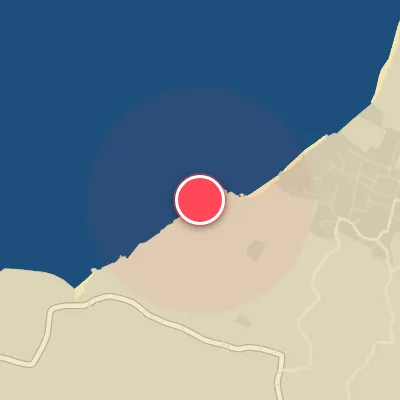
Map
Map
Green Bowls
Today's Surf Conditions at Green Bowls
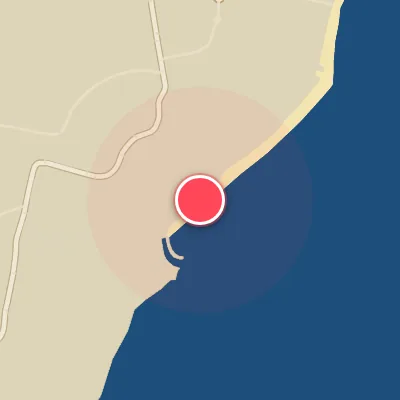
Spot Conditions Map
Hover over the hourly chart columns to update the wind & swell direction overlays on the map.
Today's Surf & Wind Forecast (Hourly)
Loading forecast text...
Spot Overview & Description
Green Ball sits on Bali's southern coast, a remote reef break that demands a steep cliffside hike and a healthy dose of respect. The reward: a fast, punchy right-hander that walls up over live coral, delivering a powerful, grinding ride when conditions align. This spot is not for the faint of heart—strong currents, one of the strongest in Bali, sweep unpredictably out to sea, making positioning a constant battle. The optimal swell direction is southwest, with size from 2 to 6 feet packing a serious punch. A northwest wind and mid-tide produce the cleanest, most workable waves. Crowds tend to gather early, when the wave is at its best, so pick your windows wisely. Green Ball favors intermediate surfers who can handle tricky currents and a shallow, unforgiving reef. Goofy-footers should think twice before attempting the left, as the rip and coral make it especially hazardous. If the lineup feels too intense, nearby breaks offer a more forgiving alternative after you’ve sampled Green Ball’s raw power.
Best Surf Season & Climatology
Best Surf Season (December - March)
Green Bowls awakens during the heart of the Indonesian wet season as the monsoon trough shifts north, allowing the Indian Ocean to pulse with consistent, long-period groundswell. The south-facing aspect is perfectly aligned to capture the dominant SSW and SW swell trains that rumble up from the Southern Ocean. Critically, the synoptic pattern delivers a high percentage of offshore winds (N, NW, NNW) — the perfect combo for groomed, bowling lefts and rights. With average swell heights sitting in the 1.5–2.5m range and periods exceeding 12 seconds, you can expect powerful, rippable waves that hold shape from dawn till dusk.
Fair Surf Season (April & November)
These transitional months offer a mixed bag. Swell energy remains robust, but the wind regime becomes less reliable as the trade wind belt begins to shift. In April, the occasional NW flow still graces the lineup, but the SE trades start to build, raising the onshore risk. November sees the reverse — the trades are retreating, and the first offshore pulses appear. Both months deliver average 1.6–1.7m swell with excellent period, but you’ll need to pick your windows carefully, often early morning before the seabreeze kicks in.
Low Surf Season (May - October)
The southeast monsoon dominates this period, pinning the coast under relentless E–SE trade winds. These are directly onshore for Green Bowls’ south-facing orientation, turning the ocean into a choppy, messy windswell zone. Despite the swell clocking in at 1.9–2.2m with very long periods (14+ seconds), the quality is severely compromised. The small window of dawn offshore flow (from N/NW) is extremely rare — ideal wind percentages drop to 1-6%. Only the most dedicated surfers will score brief, clean sessions, and even then, the swell direction shifts south of SSW, making the lineup less consistent.
Detailed Surf Information for Green Bowls
Detailed Surf Forecast
Access our detailed 8-day swell and wind forecast charts for Green Bowls with tidal graphs, period ranges, and daily forecast text summaries.
Swell & Wind Statistics
Explore historical swell consistency, wave heights, and offshore wind windows month-by-month, compiled from over 40 years of data.
Historical Surf Report
Browse the historical database archives to view past wave reports and understand spot climatology during specific years and months.