Map
Map
Impossibles
Today's Surf Conditions at Impossibles
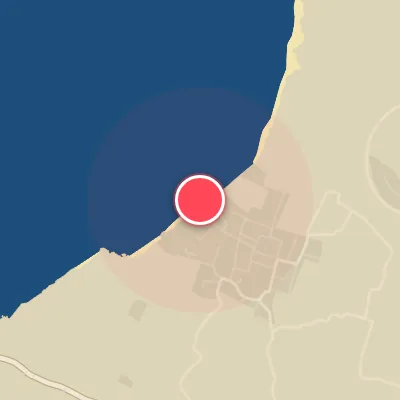
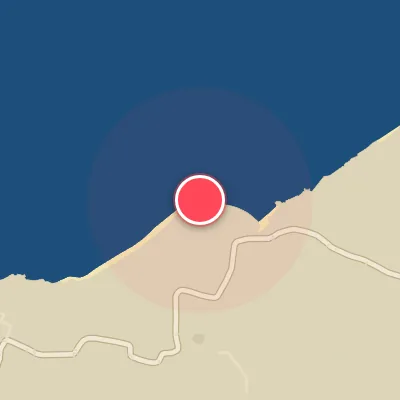
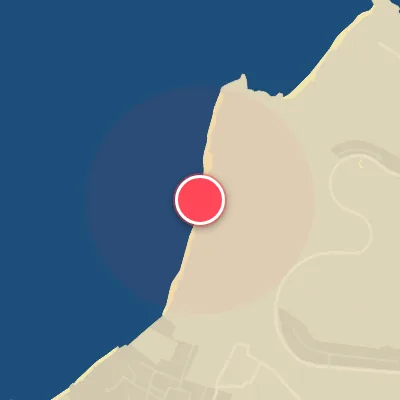
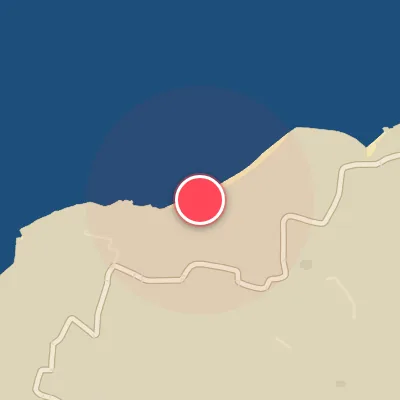
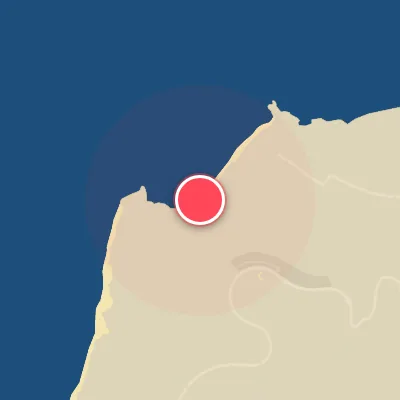
Spot Conditions Map
Hover over the hourly chart columns to update the wind & swell direction overlays on the map.
Today's Surf & Wind Forecast (Hourly)
Loading forecast text...
Spot Overview & Description
Impossibles is a left-hand reef break tucked just south of Padang Padang on Bali’s Bukit Peninsula, offering a long, winding coral reef that draws experienced surfers when the right groundswell lines up. From the cliffs above, the wave can appear immaculate—crystal-clear water, peeling sections, and the promise of a classic Balinese barrel. But don’t be fooled: this wave has teeth. The reef is sharp and shallow, best navigated at low tide when the water pulls back to expose the cavernous, fast-moving sections that make Impossibles both thrilling and treacherous. Crowds are notably smaller here than at neighboring breaks, making it a solid alternative for those looking to avoid the maddening lineups of Padang or Uluwatu. The wave fires best on a moderate-to-large, long-period south swell, with ideal direction ranging from south to southwest. It handles swell heights up to about 4 feet (1.2 meters) with grace, but as the size increases, the speed and intensity ramp up dramatically. The wave breaks over a series of reef shelves, producing a fast, left-hand race track with multiple barrel sections that require quick reflexes and precise positioning. Low tide is the sweet spot—shallow but clean, with the most defined tube sections. High tide introduces a lumpier, less organized surface, making the wave’s already challenging geometry even harder to read. This is strictly an expert-level wave; intermediate surfers will find themselves struggling to keep up with the pace and the reef’s unforgiving layout. For the best conditions, a light southeast wind keeps the face smooth and glassy. The paddle-out echoes the notorious struggle of Padang Padang—expect a moderate-to-difficult effort to get beyond the impact zone, especially on a bigger swell. Booties are strongly recommended for the walk over the low-tide reef, as coral cuts are common and painful. When it all comes together, Impossibles delivers a uniquely rewarding session: fast, hollow, and surprisingly uncrowded, but only for those who come prepared to handle its sharp edges and breakneck speed.
Best Surf Season & Climatology
Best Surf Season (September - November & April - May)
During these months, the synergy of strong, long-period SSW-to-SW groundswells and consistent offshore southeasterly trade winds creates exceptional conditions at Impossibles. The Indian Ocean roars to life, sending powerful pulses that wrap beautifully onto the northwest-facing reef. With ideal wind percentages soaring above 60% and average periods exceeding 13 seconds, this is prime time for scoring pumping, rippable waves in the 1.5-2.5m range.
Fair Surf Season (June - August & March)
The core of the dry season sees the largest swells of the year, with averages pushing 2.0-2.2m and periods peaking near 14.5s. However, offshore wind consistency drops to 39-50%, meaning you’ll need to pick your windows carefully. When the southeasterly trades relax, the waves can become bumpy and wind-affected. Still, on the right day, the sheer power of the swell can deliver epic, heavy barrels.
Low Surf Season (December - February)
During the austral summer, the monsoon trough brings increased northerly winds that blow onshore at Impossibles, deteriorating wave quality. Swell heights dip to 1.6-1.7m and periods shorten slightly, while ideal wind conditions plummet to 20-34%. This is the least reliable period, with many days of messy, wind-chopped conditions. A few windows of clean, fun-sized waves may appear, but overall it’s a down season best suited for patience or alternative spots.
Detailed Surf Information for Impossibles
Detailed Surf Forecast
Access our detailed 8-day swell and wind forecast charts for Impossibles with tidal graphs, period ranges, and daily forecast text summaries.
Swell & Wind Statistics
Explore historical swell consistency, wave heights, and offshore wind windows month-by-month, compiled from over 40 years of data.
Historical Surf Report
Browse the historical database archives to view past wave reports and understand spot climatology during specific years and months.