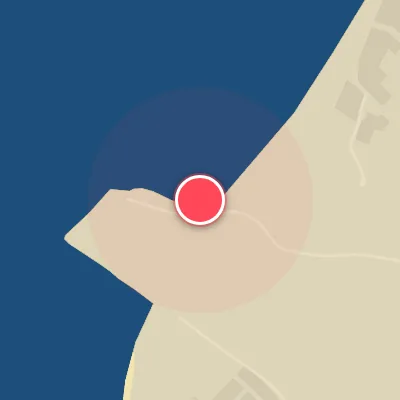
Map
Map
Hickory Bay
Today's Surf Conditions at Hickory Bay
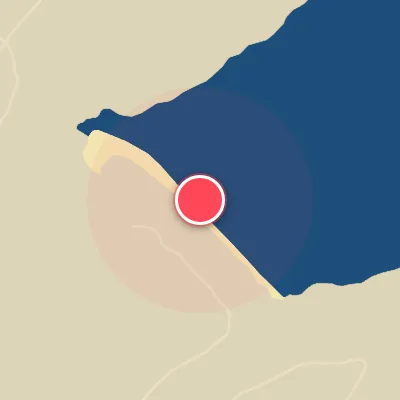
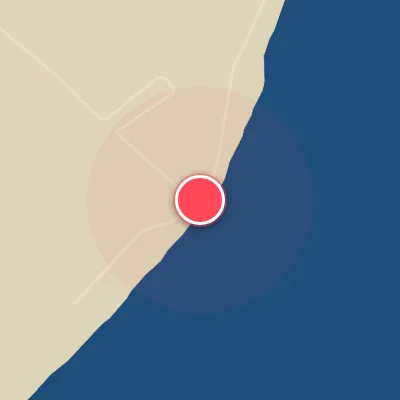
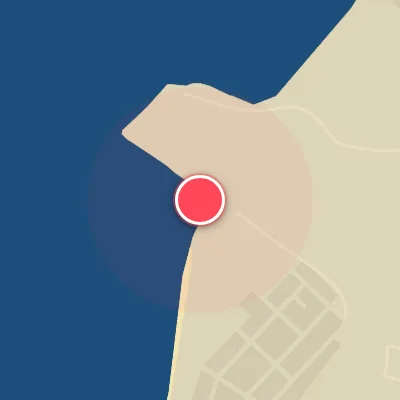
Spot Conditions Map
Hover over the hourly chart columns to update the wind & swell direction overlays on the map.
Today's Surf & Wind Forecast (Hourly)
Loading forecast text...
Spot Overview & Description
Hickory Bay delivers a reliable beachbreak that peels both left and right over a sandy bottom. The standout lefts wedge up in the north corner, where the cliffs funnel energy into A-frames that can turn thick, hollow, and demanding when the swell gets overhead. Those same waves come with a price: the paddle-out becomes a punishing battle against relentless sweep and whitewater. Best on a moderate swell, with clean conditions and a lower tide to keep the walls from closing out.
Best Surf Season & Climatology
Best Surf Season (May – August)
The heart of the Australian winter delivers the most consistent and quality surf to Hickory Bay. From May through August, the Southern Ocean roars to life, sending powerful, long-period groundswells marching up from the deep. Average wave heights sit in the 1.9–2.0m range, with periods often exceeding 11 seconds – that's 'pumping, firing' territory. Critically, this is also when the wind patterns align most favourably. High-pressure systems migrating north of the South Island allow for a higher frequency of W, WNW, NW, and NNW offshore breezes, with ideal wind percentages climbing to 45–50%. This combination means you can score clean, peeling waves with that classic New Zealand power. The dominant swell directions (S and SSW) aren't always perfect, but plenty of energy arrives from the optimal SE, SSE, and E windows, especially during June and July. If you're chasing the best the bay has to offer, this is your window.
Fair Surf Season (March – April & September – October)
The shoulder seasons bridge the gap between the low-energy summer and the pumping winter. March and April see the first stirrings of autumn as the storm tracks begin their northward migration, bumping average swell heights to 1.8m and periods to 10.8–11.0s. Ideal wind frequency improves to 30–39%, offering more clean sessions than the preceding months. September and October mirror this as spring transitions into summer: the ocean is still stirred up from winter, with average swell around 1.7–1.8m and periods of 10.5–10.7s. The wind consistency remains decent (36–41% offshore), and you can still score fun, rippable waves. However, the swell direction mix becomes more variable, with a higher proportion of SSW and S swells, which aren't as efficient for the bay compared to the optimal SE–E angles. The strong southerly winds that often accompany these swells can make for lumpy conditions, but when a high-pressure ridge settles in, the payoff is worth the wait.
Low Surf Season (November – February)
The summer months bring a dramatic slow-down in surf activity. From November through February, the storm tracks retreat south, and the predominant swell-generating lows weaken significantly. Average wave heights drop to 1.5–1.6m, and periods fall to 9.4–10.2s – think 'fun-sized, groveling' or even 'small, micro' conditions. The wind picture is also challenging. The region falls under the influence of a more northeasterly flow, with NE, NNE, and N winds dominating (often 35–50% of the time). These are not offshore for Hickory Bay – they create messy, cross-shore chop. Ideal offshore wind drops to just 25–29% – the lowest of the year. While the occasional long-period groundswell can sneak in from a distant Southern Ocean storm, it's rare. Most of the swell comes from S and SSW directions, which combine with onshore E/SE winds to produce weak, sloppy surf. Summer is best left for beach days and flat spells unless you're a groveler with low expectations.
Detailed Surf Information for Hickory Bay
Detailed Surf Forecast
Access our detailed 8-day swell and wind forecast charts for Hickory Bay with tidal graphs, period ranges, and daily forecast text summaries.
Swell & Wind Statistics
Explore historical swell consistency, wave heights, and offshore wind windows month-by-month, compiled from over 40 years of data.
Historical Surf Report
Browse the historical database archives to view past wave reports and understand spot climatology during specific years and months.