Today's Surf Conditions at Kuta Beach
Spot Overview & Description
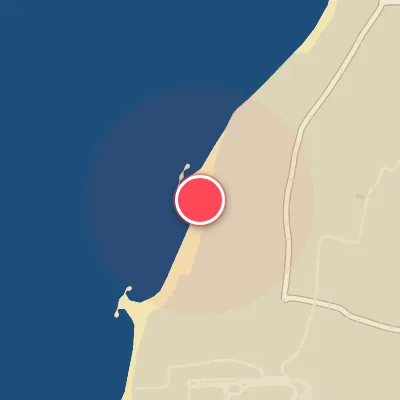
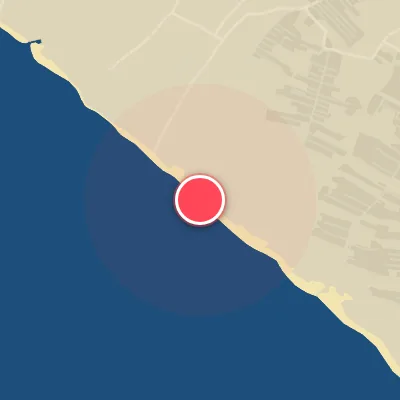
Kuta Beach, the legendary stretch of golden sand that first put Bali on the surfing map back in the 1930s, remains a vibrant cornerstone of the island's surf culture. Though the surrounding landscape has evolved into a bustling tourist hub, the beach itself has held onto its raw, soulful surf vibe, drawing everyone from wide-eyed beginners to weathered locals. The long, sweeping shoreline is almost always busy, buzzing with the energy of first-timers finding their feet and seasoned rippers carving up the peaks—making it a true melting pot on the water. The surf here is as diverse as the crowd. Kuta comes alive on a south or west swell, handling waves from 1 foot up, with both left and right beach breaks offering plenty of options. It works across all tides—low, mid, and high—but tends to pulse best on a rising tide. For the cleanest, most rideable conditions, you'll want an easterly wind to groom the faces. Given the sheer number of beginners, it pays to keep your head on a swivel and show respect to the local surfers who have been threading these peaks for generations. Expect a lively mix of foam boards and high-performance sticks crisscrossing the lineup, all set against a backdrop of beachside vendors and non-stop activity. Despite the hustle, the extensive stretch of sand means you can often snag your own little peak if you're willing to paddle a bit. Stay aware of the crowds, soak up the electric atmosphere, and you'll understand why Kuta remains an essential stop on any Bali surf trip.
Best Surf Season & Climatology
Best Surf Season (April - October)
Kuta Beach's most reliable surf window aligns with the Indonesian dry season, when the Australian high-pressure belt strengthens and drives moderate to fresh offshore trades from the NE, ENE, E and ESE across Bali. The data shows ideal offshore wind frequency jumping from 46% in March to 71% in April, 68% in May, 57% in June, 46% in July, 56% in August, 75% in September and 71% in October. Open-ocean swell averages 5.6-7.2ft (1.7-2.2m) with periods of 13.8-14.4s, producing near-shore waves around 3.6-4.3ft (1.1-1.3m). June through August carry the most size and longest periods as Southern Ocean groundswell trains ride up through the Indian Ocean, while September and October offer the cleanest wind statistics and excellent morning shape. The main caveat is swell angle: the dominant swell is often S or SSW rather than the ideal SW, WSW, W or WNW, so Kuta receives many lines at a slightly angled, less direct exposure. Still, the offshore trade flow grooms the beachbreak and makes the dry season the best overall bet for clean, rideable surf.
Detailed Surf Information for Kuta Beach
Detailed Surf Forecast
Access our detailed 8-day swell and wind forecast charts for Kuta Beach with tidal graphs, period ranges, and daily forecast text summaries.
Swell & Wind Statistics
Explore historical swell consistency, wave heights, and offshore wind windows month-by-month, compiled from over 40 years of data.
Historical Surf Report
Browse the historical database archives to view past wave reports and understand spot climatology during specific years and months.