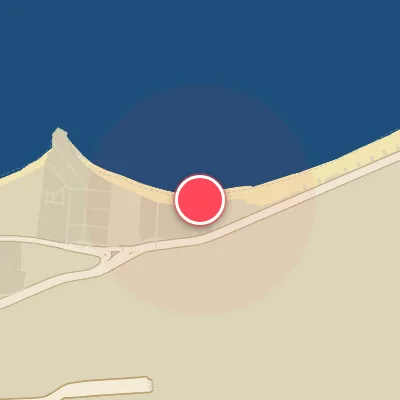
Map
Map
La Pared
Today's Surf Conditions at La Pared
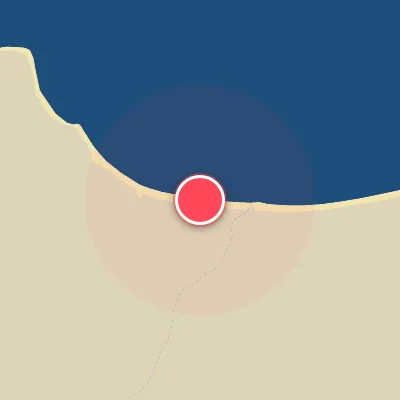
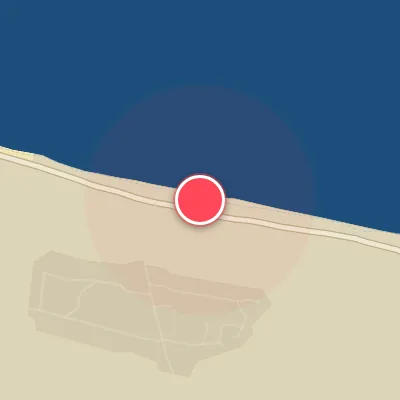
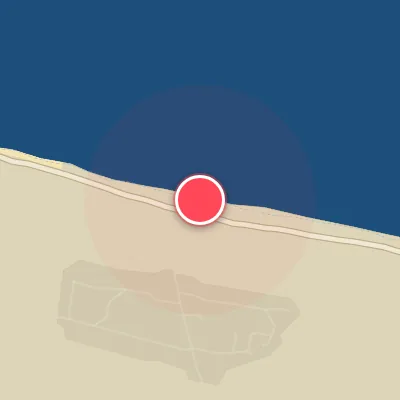
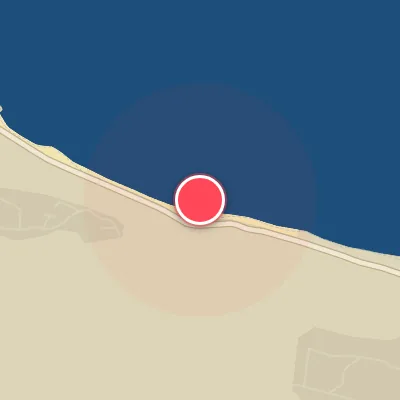
Spot Conditions Map
Hover over the hourly chart columns to update the wind & swell direction overlays on the map.
Today's Surf & Wind Forecast (Hourly)
Loading forecast text...
Spot Overview & Description
Nestled right in the heart of Luquillo, La Pared offers a wide, sandy beach softened by a protective breakwall that buffers the road and helps shape the lineup. On most days, it hums as a friendly, average beach break—a forgiving playground for beginners learning the ropes. But a few times each year, when the stars align, the wave transforms dramatically, turning hollow and powerful, offering rare moments of genuine punch. Wave heights typically run chest-high to a solid overhead, from about 1 to 2.5 meters, handling swell from the north, north-northwest, northeast, and north-northeast in the 3-to-8-foot range. The sand bottom yields both right and left peaks, keeping things varied and fun across skill levels. For the cleanest shape, look for southerly winds—south, south-southeast, south-southwest, or west-southwest—and aim for tides from low to mid or mid to high. Beginners and intermediates will find it accessible and rewarding, while advanced surfers might want to wait for those exceptional, hollow days to truly feel the thrill. Access couldn’t be easier: park right along the road above the wave, and you’re steps from the water. Crowds are generally mellow and spread out, with a laid-back local vibe that keeps sessions relaxed. Best swells roll in during late summer and fall thanks to tropical cyclone energy, but more consistent, reliable surf arrives from late fall through early spring.
Best Surf Season & Climatology
Best Surf Season (September - November)
The fall months are the sweet spot for La Pared. As the North Atlantic begins to stir, the trade winds relax slightly, allowing for a higher percentage of offshore wind from the SSW to W quadrants. September sees ideal wind conditions 12% of the time, climbing to 15% in October – the annual peak. Swell energy remains solid with average periods between 8 and 9 seconds and heights around 1.2 to 1.5m. When a low-pressure system tracks just right, we get long-period ENE groundswell wrapping in with light offshore breezes, producing clean, fun-sized waves. This is the window for consistent quality.
Fair Surf Season (December - April)
Winter and early spring bring the biggest average swell heights (1.5-1.6m) and the longest periods (8.5-9.1s) of the year. Powerful storms in the North Pacific and Atlantic send significant E to NE swell into the island. However, the dominant wind pattern is a strong, onshore E to ENE flow that ruins the surface 70-80% of the time. The silver lining? When a cold front pushes through, the wind veers to the SW or W, creating offshore conditions. These are the pumping days with head-high to overhead waves, but they are fleeting. March and April offer slightly more frequent offshore windows (7-9% ideal wind), making them the best bets within this season for a chance at clean, solid surf.
Low Surf Season (May - August)
From late spring through summer, the North Atlantic high-pressure system strengthens and locks in a relentless E to ESE trade-wind flow. Ideal offshore wind percentages plummet to 1-8%. Swell heights drop to the 1.1-1.2m range and periods shorten to 6-7 seconds, often producing weak, choppy conditions. The swell that does arrive is mostly short-period windswell from the E and ENE, offering little power. While a stray tropical system could deliver a pulse, the day-to-day reality is small, groveling surf with bumpy, onshore conditions. This is the time to chase other activities or wait for the fall change.
Detailed Surf Information for La Pared
Detailed Surf Forecast
Access our detailed 8-day swell and wind forecast charts for La Pared with tidal graphs, period ranges, and daily forecast text summaries.
Swell & Wind Statistics
Explore historical swell consistency, wave heights, and offshore wind windows month-by-month, compiled from over 40 years of data.
Historical Surf Report
Browse the historical database archives to view past wave reports and understand spot climatology during specific years and months.