Map
Map
Little Wanganui
Today's Surf Conditions at Little Wanganui
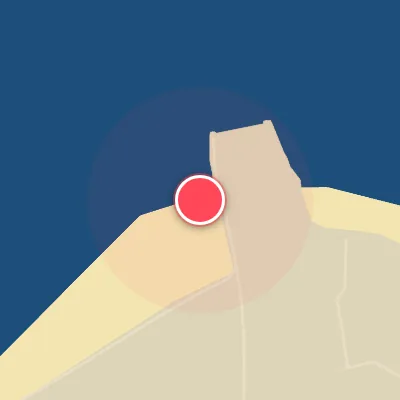
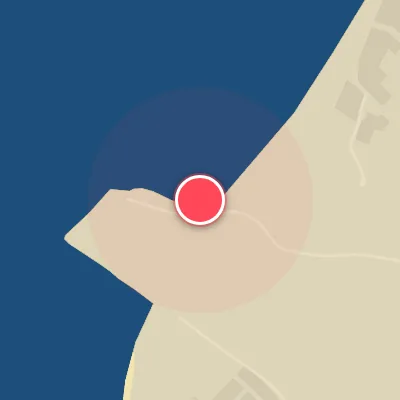
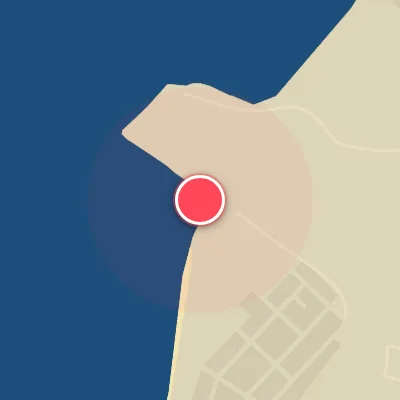
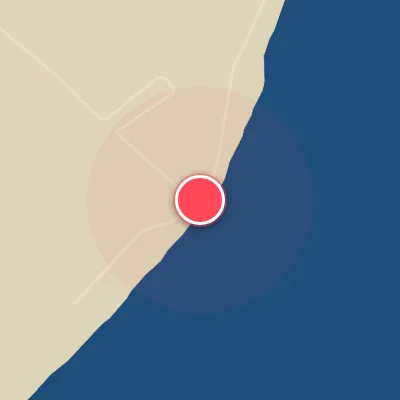
Spot Conditions Map
Hover over the hourly chart columns to update the wind & swell direction overlays on the map.
Today's Surf & Wind Forecast (Hourly)
Loading forecast text...
Spot Overview & Description
Little Wanganui is a classic golden-sand beach break, with the Wanganui River mouth shaping the southern end of the lineup. The wave breaks over a sandy bottom, producing a sprawling array of peaks that scatter along this exposed stretch of coast, offering both lefts and rights for those willing to pick their section. Expect a punchy, steep drop that leads into good wall-like rides, often capped by a hollow shorebreak that can pitch quickly in the right conditions. While not a world-class standout, this spot delivers consistent, fun waves that hold up well, earning it a solid reputation as a reliable, decent option on the west coast.
Best Surf Season & Climatology
Best Surf Season (June - August)
The heart of the Southern Hemisphere winter roars to life, bringing consistent, powerful W to WNW swells that wrap perfectly into Little Wanganui's NW-facing beach. Combined with the highest percentage of offshore ESE/SE winds, this period delivers pumping conditions. Average swell heights hover around 2.1m with periods averaging 12.4s, meaning solid, long-period groundswells dominate. The Tasman Sea storms are in full swing, and when high-pressure systems park themselves to the south, we get clean, offshore flow. This is the prime window for the heaviest, most consistent surf of the year.
Fair Surf Season (April - May, September - October)
The shoulder seasons offer a blend of good swell and moderate wind conditions. In autumn (April-May), the transition begins: swell sizes are still solid (1.9-2.1m) with long periods, and the wind becomes increasingly favorable, peaking at 49% ideal in May. Spring (September-October) sees a gradual decline in swell consistency, but still plenty of W swell with periods around 12.2s. However, wind patterns become more mixed, with a higher chance of onshore westerlies. These months require a keen eye on the forecast, but often deliver excellent sessions between storm fronts.
Low Surf Season (November - March)
The summer months and early autumn bring the smallest and least consistent surf. Swell heights average 1.6-1.9m with shorter periods (11.3-11.9s). The dominant winds shift to a more westerly component, with onshore winds from W-NW becoming frequent. December is particularly challenging with only 25% ideal wind. While there are still fun, rippable days, especially when a tropical cyclone or unusual swell event occurs, the overall quality is inconsistent. Light wind mornings can offer clean, small waves, but the main game is elsewhere.
Detailed Surf Information for Little Wanganui
Detailed Surf Forecast
Access our detailed 8-day swell and wind forecast charts for Little Wanganui with tidal graphs, period ranges, and daily forecast text summaries.
Swell & Wind Statistics
Explore historical swell consistency, wave heights, and offshore wind windows month-by-month, compiled from over 40 years of data.
Historical Surf Report
Browse the historical database archives to view past wave reports and understand spot climatology during specific years and months.