Map
Map
Long Beach
Today's Surf Conditions at Long Beach
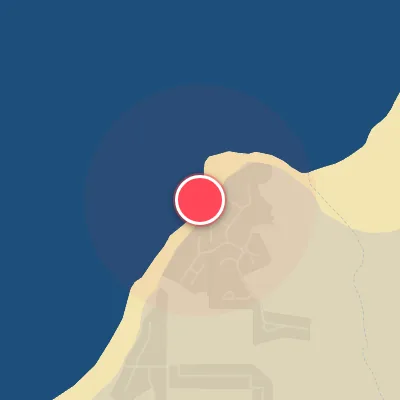
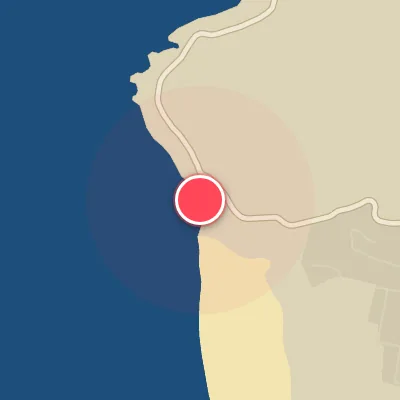
Spot Conditions Map
Hover over the hourly chart columns to update the wind & swell direction overlays on the map.
Today's Surf & Wind Forecast (Hourly)
Loading forecast text...
Spot Overview & Description
Long Beach, cradled along the northern flank of the Cape Peninsula, is a scenic gem that becomes the default destination when a stiff south wind sweeps in. Its broad stretch of golden sand opens up into a lineup that can deliver both lefts and rights, with the best waves rolling in from a west or south swell. This spot springs to life on swells up to about four feet, offering fast, hollow walls that break over a mix of uneven reef and sand—a challenge that rewards intermediate surfers who know how to read shifting peaks. The tide plays a crucial role here; high tide kills the wave entirely, so aim for low to mid tide to tap into its full potential. On prime days, the beach draws a crowd, but there’s usually room to ticket in. When a south-westerly wind kicks in, it polishes the surf into clean, racey lines. Down the beach, bodyboarders flock to Krans right for a playful shore break. Keep an eye on the tide and share the lineup—Long Beach can hold serious size when conditions align, but you won’t have it to yourself.
Best Surf Season & Climatology
Best Surf Season (March - July)
The peak of the surf season at Long Beach unfolds during the Southern Hemisphere autumn and early winter. As the South Atlantic storm track intensifies, we see a marked increase in the average swell height, climbing to over 2.8m by June and July. The dominant swell direction remains from the SW quadrant, which, while not the ideal NW direction for this northwest-facing stretch, delivers powerful, long-period groundswells that wrap into the bay with significant energy. The wind regime becomes more cooperative during this window, with the percentage of offshore flow (from S, SSW, SW, and WSW) reaching its annual peak around 21% in May. This is when the South Atlantic high pressure ridges build firmly to the south, funnelling clean, offshore breezes across the Cape Peninsula. The combination of solid, punchy swell and smooth, groomed faces makes this the prime window for quality sessions, though the swell often comes in on the higher end of the spectrum, so intermediate to advanced skill levels will be rewarded during the pumping winter swells.
Fair Surf Season (August - October)
As spring approaches, the swell heights begin to gradually subside, averaging 2.4-2.7m, but the consistency remains high. The dominant SW swell continues to roll in, though the average period starts to lengthen towards the end of the period, hinting at distant storm sources. Wind conditions become a little less reliable, with the ideal offshore percentage declining from 17% in August to 14% in October. The South Atlantic high pressure weakens, allowing more variable winds and the occasional intrusion of the morning SE wind, which can be cross-shore to onshore for this stretch. However, this is a transition season where the occasional cold front passage can still set up a classic 24-hour window of solid, clean swell before the wind swings. It's a solid season for the dedicated surfer willing to work the forecast windows, with fewer crowds and still plenty of power in the water.
Low Surf Season (November - February)
During the summer months, the surf at Long Beach enters a distinct lull. The average swell height drops back to around 2.3m, and the wave periods shorten, indicating a mix of smaller groundswells and local windswell. The dominant swell direction remains SW, but the energy is reduced. The main challenge is the wind; the notorious summer SE wind (the 'Cape Doctor') dominates the wind roses, blowing consistently from the SE and SSE quadrants. These winds are not offshore for Long Beach; instead, they blow cross-shore or onshore, chopping up the wave face. The ideal offshore wind percentage plummets to just 12-14%, making clean, glassy conditions rare. When a light southwesterly or southerly flows in the early morning, it can still produce fun, rippable waves in the 1-1.5m range, but the window is small. Overall, this is the low-energy season best suited for beginners on smaller days or those content with groveling on weak swell. The winter months are where this spot truly comes alive.
Detailed Surf Information for Long Beach
Detailed Surf Forecast
Access our detailed 8-day swell and wind forecast charts for Long Beach with tidal graphs, period ranges, and daily forecast text summaries.
Swell & Wind Statistics
Explore historical swell consistency, wave heights, and offshore wind windows month-by-month, compiled from over 40 years of data.
Historical Surf Report
Browse the historical database archives to view past wave reports and understand spot climatology during specific years and months.