Map
Map
Love Charms
Today's Surf Conditions at Love Charms
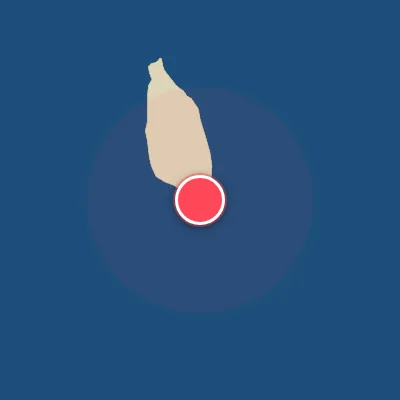
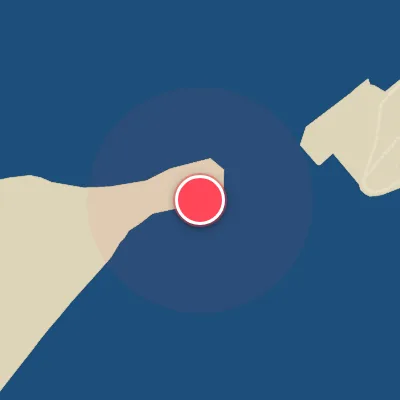
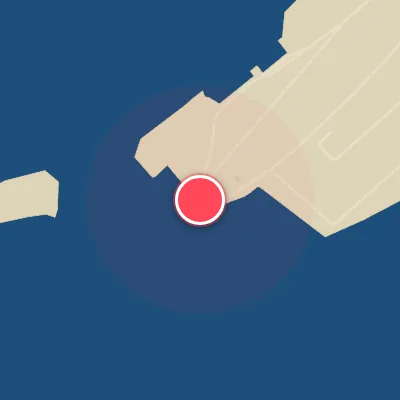
Spot Conditions Map
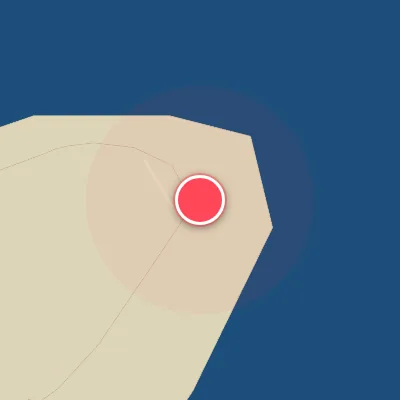
Hover over the hourly chart columns to update the wind & swell direction overlays on the map.
Today's Surf & Wind Forecast (Hourly)
Loading forecast text...
Spot Overview & Description
Tucked just next to Two Ways, Love Charms is a left-hander that lives up to its name with a reliable, reefy pull. It draws its energy from both the Southeast and Southwest quadrants, lighting up on swells as small as 2 feet. The wave breaks over DeadCoral, delivering a peak that can adapt to the day's mood. When the swell is modest, Love Charms peels with a playful, softer demeanor at low tide, splitting neatly into two distinct sections that invite mid-length carving and easy flow. As the waves fill in and the energy piles up, the wave transforms—lengthening, gaining power, and offering hollow pockets that demand a sharper edge. This is intermediate territory: challenging enough to keep you honest, but forgiving enough to let you link turns from the takeoff to the channel. For the cleanest shape, you'll want the wind blowing from the Northwest. Tides are remarkably accommodating here, working well at low, mid, and even high stages, so you can time your session around the conditions that suit your comfort. Love Charms is a spot that rewards versatility—whether you're after a mellow cruise or a more intense ride, it’s worth a look when you're in the area. Just keep an eye on the wind and tide, and it will show you what it can do.
Best Surf Season & Climatology
Best Surf Season (December - March)
The Northeast Monsoon locks in during December, and Love Charms transforms into a world-class wave. Offshore winds from the north quadrant (N, NNE, NW, NNW) blow consistently, grooming the swell lines that arrive from the southeast and south — exactly what this south-facing reef needs. Average wave heights sit in the fun-sized 1-1.5m range, with periods averaging 9-10 seconds, offering punchy, rideable waves. The Indian Ocean winter brings long-period groundswells from storms in the Southern Ocean, filtered by the equatorial basin, delivering clean, glassy surf day after day. January and February are the crown jewels, with ideal wind frequencies hitting 67-70%. This is prime time for rippable walls and long, peeling rights.
Fair Surf Season (April & November)
These are transitional months when the monsoons are shifting. In April, the Northeast Monsoon weakens, and the southwest wind starts to build, dropping ideal wind frequencies to around 33%. However, the swell direction remains favorable from SSE and S, with average heights climbing to 1.3-1.4m and periods reaching 10-11 seconds. November sees the opposite transition: the Southwest Monsoon retreats, and offshore winds begin to return (34% ideal). Swell from SSW and WSW adds variety, and the waves become more consistent. Expect clean windows between the changing wind patterns, especially early and late in the month. These months demand patience, but the rewards are uncrowded, quality sessions.
Low Surf Season (May - October)
The Southwest Monsoon dominates from May through October, bringing persistent onshore winds from the south, southwest, and west. Ideal wind frequencies plummet to 12-19%, making Love Charms a challenging proposition. Paradoxically, this is when the biggest swell rolls in — average heights of 1.5-1.8m with periods of 10-11 seconds — driven by powerful extratropical storms in the Southern Indian Ocean. The swell direction is optimal (SSE and S), but the wind is almost always adverse. Occasional early morning light wind windows or a brief pause in the monsoon can offer decent surf, but conditions are generally choppy and blown-out. This is the season for the dedicated few, or for focusing on other spots on the atoll that can handle the onshore flow.
Detailed Surf Information for Love Charms
Detailed Surf Forecast
Access our detailed 8-day swell and wind forecast charts for Love Charms with tidal graphs, period ranges, and daily forecast text summaries.
Swell & Wind Statistics
Explore historical swell consistency, wave heights, and offshore wind windows month-by-month, compiled from over 40 years of data.
Historical Surf Report
Browse the historical database archives to view past wave reports and understand spot climatology during specific years and months.