Map
Map
Two Ways
Today's Surf Conditions at Two Ways
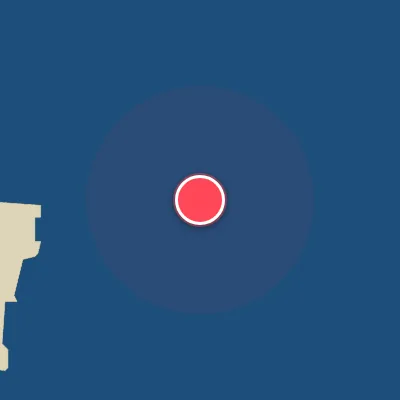
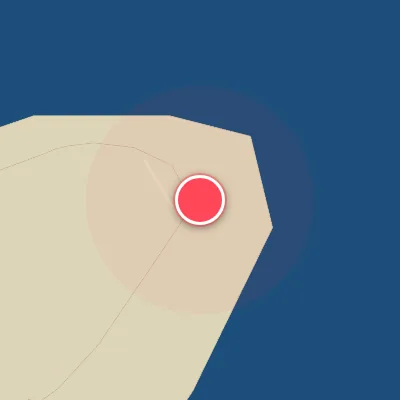
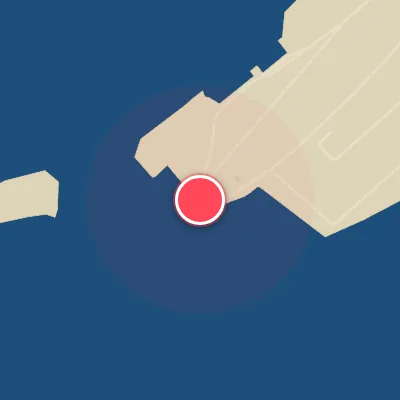
Spot Conditions Map
Hover over the hourly chart columns to update the wind & swell direction overlays on the map.
Today's Surf & Wind Forecast (Hourly)
Loading forecast text...
Spot Overview & Description
Two Ways lives up to its name, offering a versatile double-sided wave that can serve up both left and right rides. This tucked-away spot sits in a protected pocket, making it a bit particular about conditions—it really needs a solid push from the Southeast or Southwest to fire. When the swell rolls in around the 3-foot mark, the reef comes alive. The right is often the pick, but the left can dish out some stellar lines when everything lines up. The wave peels over a dead coral bottom, creating long, rippable walls that are both fun and slightly challenging. It’s a playground for intermediate surfers, though beginners can snag some forgiving walls on the right days. Tide matters less here—low, mid, or high all work—but a clean north wind is your best ally. Two Ways isn’t an everyday spot; it demands a decent swell to show its true potential. That pickiness tends to favor the experienced, but when the stars align, it rewards with a session that’s well worth the wait.
Best Surf Season & Climatology
Best Surf Season (December - March)
The heart of the northeast monsoon delivers the most consistent offshore winds to Two Ways. From December through March, the trade winds blow from the north and northwest, grooming the swell into clean, organized lines. Average wave heights sit in the 1.1-1.2m range with periods between 9-10 seconds, providing fun, rippable waves that are perfect for groveling and high-performance surfing. Swell direction is dominated by the east-southeast quadrant, but a healthy mix of SSE and S groundswells wraps into the reef, offering quality walls. With ideal wind percentages between 56-63%, this is the prime window for uncrowded, glassy sessions.
Fair Surf Season (April, October, November)
The transitional months bridge the monsoon regimes and offer a mixed bag of conditions. April still sees decent offshore wind around 48% of the time, but the trades weaken and become more westerly, adding texture to the surface. Swell size climbs to 1.3-1.4m with longer periods (10-10.9s), and the direction shifts south, hitting the spot with more direct energy. October and November experience a similar pattern as the northeast monsoon builds back in; November in particular sees a jump in ideal wind to 42% and a solid mix of S and SSE swell. These months reward patience and a careful eye on the forecast.
Low Surf Season (May - September)
The southwest monsoon dominates the Maldives from May through September, bringing the largest swell of the year but at a cost. Average wave heights range from 1.5m to 1.8m with long periods of 10.5-10.9s, and the swell direction is almost entirely from the SSE and S – perfect for the reef. However, the wind consistently blows from the southwest and west, onshore for Two Ways, creating choppy, bumpy conditions that spoil the wave quality. Ideal wind drops to between 24-31%. While the power is there, the surface texture makes it a challenge; only the most dedicated will find clean windows between squalls.
Detailed Surf Information for Two Ways
Detailed Surf Forecast
Access our detailed 8-day swell and wind forecast charts for Two Ways with tidal graphs, period ranges, and daily forecast text summaries.
Swell & Wind Statistics
Explore historical swell consistency, wave heights, and offshore wind windows month-by-month, compiled from over 40 years of data.
Historical Surf Report
Browse the historical database archives to view past wave reports and understand spot climatology during specific years and months.