Map
Map
Malhao
Today's Surf Conditions at Malhao
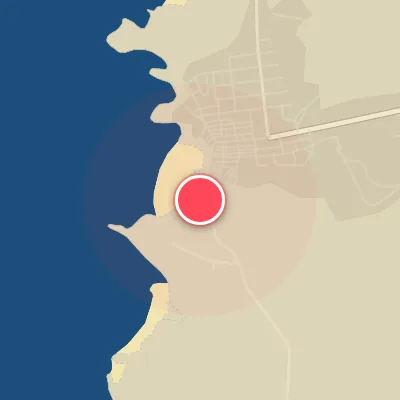
Spot Conditions Map
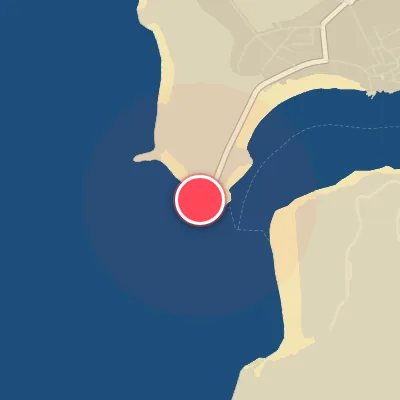
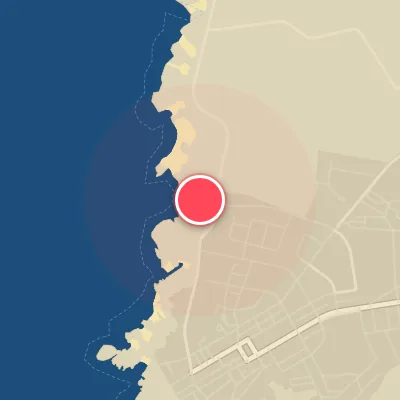
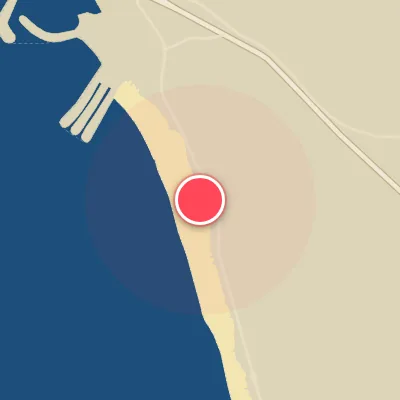
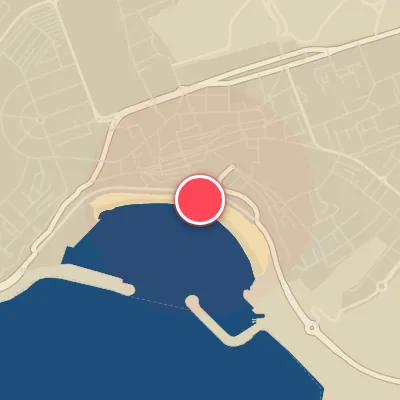
Hover over the hourly chart columns to update the wind & swell direction overlays on the map.
Today's Surf & Wind Forecast (Hourly)
Loading forecast text...
Spot Overview & Description
Stretching along a broad expanse of golden sand, Malhão stands as the most consistent and dependable wave in the region. This dynamic beachbreak delivers both lefts and rights, with shifting sandbars that can produce long, rippable walls—though a series of massive submerged rocks add a layer of hazard and require sharp situational awareness. The wave handles a wide range of tides and swells, but favors mid to low tide for cleaner shape. Despite its popularity, the lineup rarely feels crowded, as the sheer length of the break disperses the crowd and ensures plenty of waves for everyone. A versatile spot suited to intermediate to advanced surfers, Malhão is a must-visit for anyone seeking reliable, high-quality surf with room to roam.
Best Surf Season & Climatology
Best Surf Season (October - March)
The North Atlantic roars to life during the autumn and winter months, delivering a consistent barrage of powerful, long-period swell to the west-facing shores of Malhao. From October through March, average wave heights consistently exceed 1.8m, peaking above 2.3m in December and January, while periods regularly stretch into the 12-13 second range – that's pumping territory. The jet stream strengthens, spawning deep extratropical low-pressure systems that march across the Atlantic, and when these storms align with a favourable negative NAO phase, the resulting WSW to NW swell lines wrap perfectly into the bay. The icing on the cake: offshore winds from the east-northeast through southeast quadrant blow a clean 34-47% of the time during these months, sculpting glassy faces. This is the prime window to score firing waves at Malhao.
Fair Surf Season (April - May & September)
The shoulder months offer a mixed bag of conditions as the large-scale weather patterns transition. April and May see swell height drop to an average of 1.5-1.8m with periods shrinking to 10-11 seconds – still fun-sized and rippable, but less consistent. The dominant swell directions shift from northwesterly to more westerly, still within the window, but the frequency of long-period groundswell decreases. Simultaneously, the ideal offshore wind percentage falls to 18-23%, meaning more frequent spells of light onshore or cross-shore flow. September marks the beginning of the comeback: average swell height climbs back to 1.4m with period increasing to 10.6s, and offshore wind chances improve to 20%. It’s a month of hope, with occasional early-season depressions sending pulses of WNW swell that can deliver solid sessions before the autumn peak fully establishes.
Low Surf Season (June - August)
Summer at Malhao is a challenge for the dedicated surfer. The Azores High becomes the dominant feature, deflecting storm tracks north and leaving the Atlantic largely quiet. Average swell heights hover around 1.3m with periods of 8.6-9.3 seconds – mostly choppy, low-energy windswell. The swell window is heavily dominated by NW and NNW directions, which make up over 80% of the total, but these are generally short-period windswell generated by local breezes rather than powerful groundswell. Worst of all, the wind pattern turns onshore: the prevailing NW trade winds blow directly into the beach 60-70% of the time, ruining wave quality. Ideal offshore wind occurs a mere 8-11% of the time. While the rare tropical storm or lingering summer low can produce a fun-sized day, consistent quality waves are few and far between. This is the season for a board with more foam and low expectations.
Detailed Surf Information for Malhao
Detailed Surf Forecast
Access our detailed 8-day swell and wind forecast charts for Malhao with tidal graphs, period ranges, and daily forecast text summaries.
Swell & Wind Statistics
Explore historical swell consistency, wave heights, and offshore wind windows month-by-month, compiled from over 40 years of data.
Historical Surf Report
Browse the historical database archives to view past wave reports and understand spot climatology during specific years and months.