Map
Map
Nyang Nyang
Today's Surf Conditions at Nyang Nyang
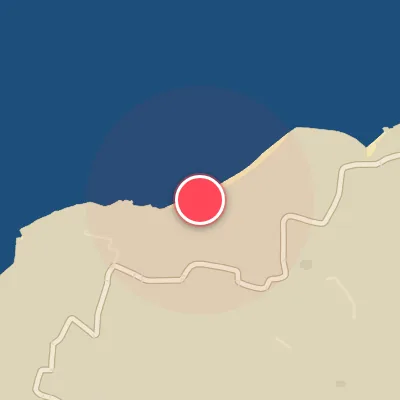
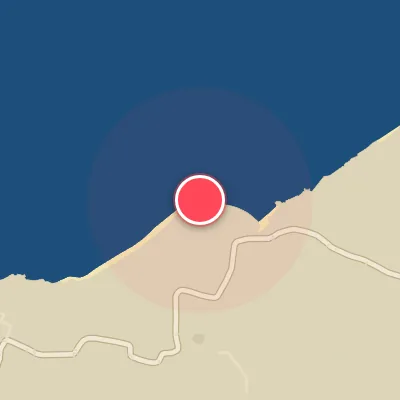
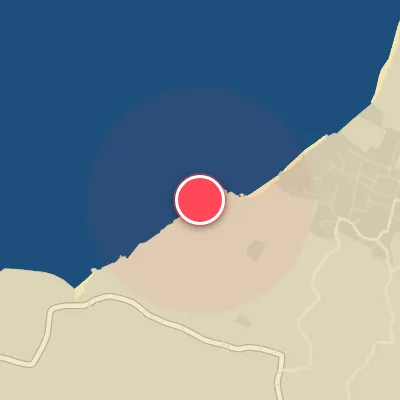
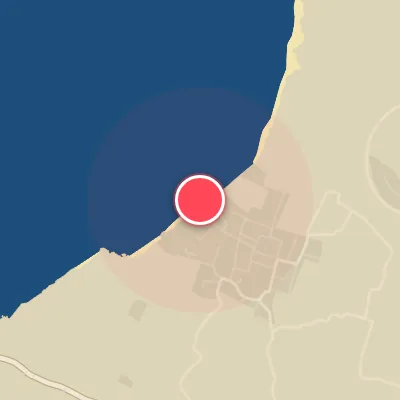
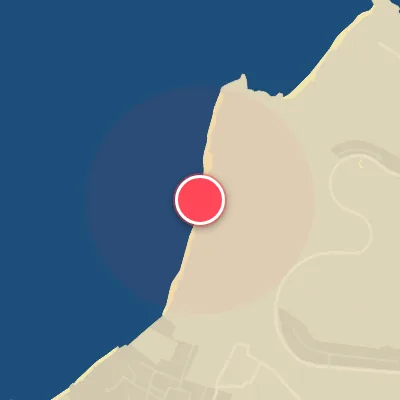
Spot Conditions Map
Hover over the hourly chart columns to update the wind & swell direction overlays on the map.
Today's Surf & Wind Forecast (Hourly)
Loading forecast text...
Spot Overview & Description
Nestled beneath staggering limestone cliffs on Bali's rugged south coast, Nyang Nyang is a wild, untamed reef break that serves as the region's ultimate litmus test: if it's flat here, it's flat everywhere. The trek down a steep, winding path to the pristine beach is a rite of passage—a workout that naturally filters the crowd, leaving you with an uncrowded, almost secret lineup and a shoreline that feels blissfully untouched. The wave itself is a right-hander breaking over dead coral, demanding respect as it builds from a playful 2-foot baseline to a powerful, grinding wall that gets distinctly tricky once overhead. Best under a southwest swell with a northeast wind and mid to high tide, Nyang Nyang is a playground for intermediate surfers who are ready to handle strong rips and the sudden arrival of sneaker sets that can rearrange your priorities in a hurry. Keep your head on a swivel—not just for the next set, but for the vibrant marine life that thrives in these clear waters. And when your session is done, brace yourself for the humbling climb back up; it's a heart-pumping finale to a day that rewards those willing to earn their waves. Whether you're sliding down a clean face or just soaking in the raw beauty of the beach, Nyang Nyang delivers a distinct, quiet magic that Bali's busier spots can only dream of.
Best Surf Season & Climatology
Best Surf Season (March - May)
As the austral autumn settles over the Indian Ocean, Nyang Nyang enters its prime window. The southeast trade winds are still building, but they haven't yet reached their peak intensity, creating a sweet spot where offshore breezes from the north quadrant blow 30-40% of the time. Swell from deep Southern Ocean storms arrives with long periods (13-14s) and averages a solid 1.6-1.9m, focusing predominantly from the SSW and SW—right into the beach's exposed corridor. The result is consistent, pumping, glassy waves that are rippable to firing. April stands out as the absolute apex, with the highest incidence of offshore wind (41%) coinciding with powerful groundswell. This is the season to book your trip.
Fair Surf Season (October - February)
The transition months of October and November offer a second act of quality, with offshore wind frequencies climbing back toward 25-27% and average swell still carrying long-period energy (12-14s) from the SSW. December through February remain active but tricky: the northwest monsoon brings persistent westerly winds that are mostly onshore or side-shore, but the swell never really shuts down. January and February see average heights of 1.7m and periods around 12.5s, primarily from the SSW and SW. When a cold front pushes through the Bight and a high-pressure ridge aligns, you can score spellbinding sessions with clean offshore winds—though you'll need to be patient and ready to pounce on the windows.
Low Surf Season (June - September)
During the heart of the southeast monsoon, swell production ramps up significantly—June through August average a heavy 2.1-2.2m with periods exceeding 14s, and the swell direction shifts more southerly (SSW to S). That sounds epic, and it is—when the wind plays ball. However, the trade winds howl from the ESE and SE at 30-50kph over 60% of the time, creating cross-shore to side-onshore chop that ruins the wave face for most of the month. Offshore flow from the north is rare (15-18% ideal wind), so quality drops off a cliff. June can still offer some clean morning windows before the seabreeze kicks in, but July through September are generally a grind of massive, blown-out surf best left to the pros and those with a high tolerance for wind.
Detailed Surf Information for Nyang Nyang
Detailed Surf Forecast
Access our detailed 8-day swell and wind forecast charts for Nyang Nyang with tidal graphs, period ranges, and daily forecast text summaries.
Swell & Wind Statistics
Explore historical swell consistency, wave heights, and offshore wind windows month-by-month, compiled from over 40 years of data.
Historical Surf Report
Browse the historical database archives to view past wave reports and understand spot climatology during specific years and months.