Map
Map
Pikinini
Today's Surf Conditions at Pikinini
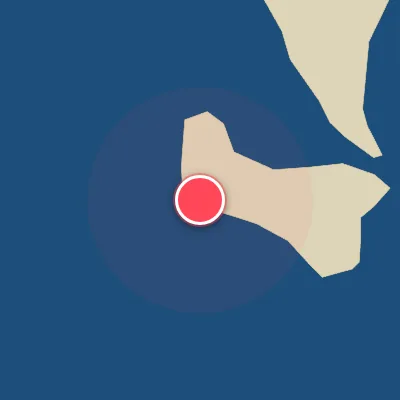
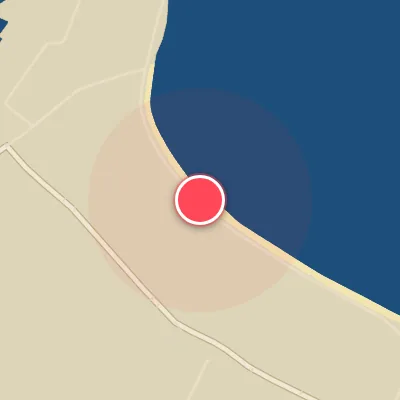
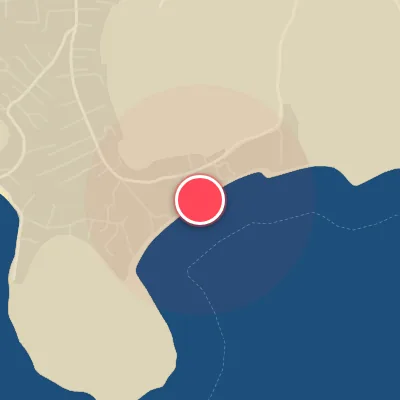
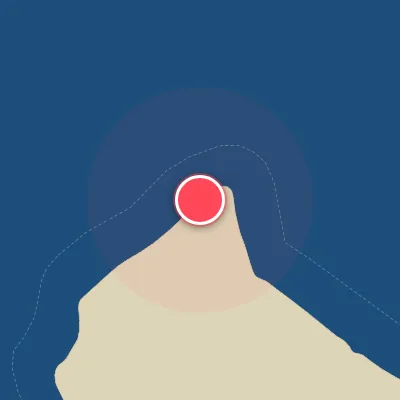
Spot Conditions Map
Hover over the hourly chart columns to update the wind & swell direction overlays on the map.
Today's Surf & Wind Forecast (Hourly)
Loading forecast text...
Spot Overview & Description
Nestled near the sleepy town of Kavieng, Pikinini offers a raw, reef-charged right-hander that demands respect. The approach itself sets the stage—surfers weave past town before reaching the exposed Mongol Point, where a shallow sheet of live coral creates a unique, slightly nerve-racking foundation. While not the marquee name in the region, this wave rewards the savvy and patient when conditions align. The magic at Pikinini comes alive with a northwest swell, handling waves up to a punchy 3 feet. The takeoff zones over the coral spit out fast, hollow right-handers that can barrel with enough juice. It's a wave for the experienced—one where positioning and timing separate a thrilling ride from a nasty reentry. Tides are workable across the board, though low to mid-tide offers a more forgiving, racey face. Hit it with a moderate west-northwest swell and a steady east wind, and you'll find quick, zippy walls that occasionally pitch into playful tubes. But be warned: at high tide, the reef's teeth are sharper, and a misstep behind the peak can lead to a punishing wash. Crowds are refreshingly sparse, thanks to a surfer quota system that limits foreign numbers. This keeps the vibe mellow and the lineup uncrowded, letting you focus on the wave rather than the pack. Booties are a non-negotiable—the coral is unforgiving, especially during a hasty exit. If you're after a challenge that blends raw island beauty with technical reefcraft, Pikinini is a worthy detour. Just bring your A-game, a cautious eye on the tide, and a sense of adventure.
Best Surf Season & Climatology
Best Surf Season (October - March)
The austral summer brings the most energetic swell window to Papua New Guinea, with Pikinini seeing a notable uptick in wave heights and periods compared to the rest of the year. Average swell heights hover between 1.0m and 1.3m, and the mean period stretches to 10-10.5 seconds – a direct result of stronger extratropical storms tracking across the Southern Ocean and occasional tropical lows spinning up in the Coral Sea. The dominant swell direction during these months is from the north-northeast, but crucially, we also start to see a higher percentage of swell from the northwest and north-northwest directions (up to 11% in January), which are within the preferred SW-to-NW window for this west-facing reef. However, the trade-off is wind. The monsoon trough and passing cold fronts often bring onshore westerly breezes, keeping the ideal surfing wind percentage low at just 27% in December and 28% in January. When the Southeast Trade Winds re-establish themselves for a few days – blowing from the ESE or E – the conditions align beautifully: long-period, punchy swell wrapping around the reef with clean, offshore texture. These are the windows to chase.
Fair Surf Season (April - May & September - November)
The transitional months see a gradual shift in the atmospheric and oceanic patterns. April and May witness a rapid drop in average swell height to around 0.9-1.0m and a shortening of period to 8.8-9.6 seconds as the storm tracks retreat south. Swell direction remains dominated by the northeast and east, delivering more wind-swell character. The bright side is a marked improvement in wind consistency: the Southeast Trade Winds become more established, pushing ideal wind percentages up to 49% in April and peaking at 61% in May. The result is clean, often glassy conditions, but the waves are smaller and less powerful – fun for groveling on a longboard or fish, but rarely firing. As we move into September, the swell energy begins to climb again, with October averaging 0.9m at 10.1 seconds and November 1.0m at 10.3 seconds. The wind remains favorable in October (66% ideal) but deteriorates in November (46% ideal) as the monsoon trough starts to influence the region. These months offer a good balance – adequate swell size combined with frequent clean windows – making them a reliable choice for a surf trip.
Low Surf Season (June - August)
The austral winter brings the calmest surf conditions to Pikinini. Average swell heights bottom out at 0.8m, with periods dropping to a weak 7.6-8.0 seconds. The swell direction is overwhelmingly from the east-northeast and east – nearly 80% of the energy arrives from the ENE and E quadrants. For a west-facing break, this is about as unfriendly as it gets: the waves are small, short-period, and barely wrap around the headland. On the positive side, the Southeast Trade Winds are in full force, blowing offshore from the ESE and SE 60-70% of the time, creating pristine, wind-clean conditions. But without any significant west in the swell, you're left with tiny, choppy, and often non-existent waves. Only the rare pulse of long-period swell from a distant Southern Ocean storm can bring a few rideable waves, but these events are few and far between. This is the off-season for serious surfing, more suited to swimming or kiteboarding.
Detailed Surf Information for Pikinini
Detailed Surf Forecast
Access our detailed 8-day swell and wind forecast charts for Pikinini with tidal graphs, period ranges, and daily forecast text summaries.
Swell & Wind Statistics
Explore historical swell consistency, wave heights, and offshore wind windows month-by-month, compiled from over 40 years of data.
Historical Surf Report
Browse the historical database archives to view past wave reports and understand spot climatology during specific years and months.