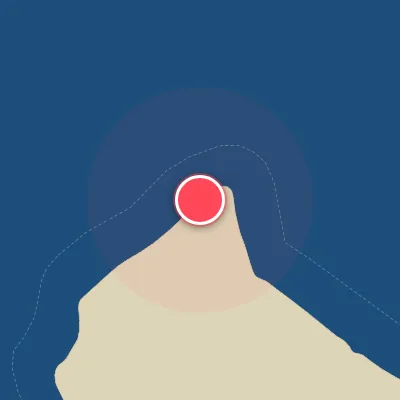
Map
Map
Ral Island
Today's Surf Conditions at Ral Island
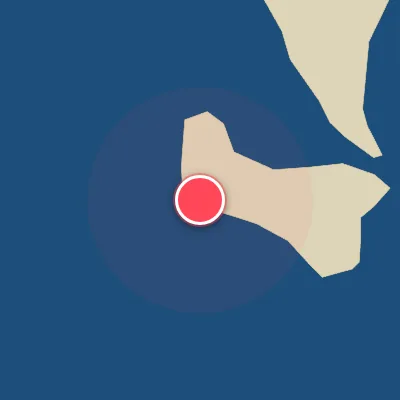
Spot Conditions Map
Hover over the hourly chart columns to update the wind & swell direction overlays on the map.
Today's Surf & Wind Forecast (Hourly)
Loading forecast text...
Spot Overview & Description
Ral is a remote reef break that serves as a reliable escape hatch when the rest of the region goes flat. Tucked away in isolation, this spot demands a lengthy boat ride from Nusa Island Retreat, but the trade-off is uncrowded waves and a genuine sense of adventure. Open to north and northeast swells, Ral can pick up energy that nearby spots miss, making it a go-to for intermediate surfers willing to navigate the live coral and shifting conditions. The reef delivers both lefts and rights. The right can be peaky or more rideable depending on swell angle, while the left is less consistent but still offers potential on the right pulse. The wave comes alive with swell from about 2 feet upward, and it works across a broad tide range—low, mid, and high all have their moments. A southerly wind is the preferred groomer, keeping the faces clean. Crowds are thin on smaller days, thanks to the distance and effort required to get there. But don’t let the solitude fool you: when the swell pushes overhead, the intensity ramps up, serving punchy, reef-driven power that demands respect. For intermediates looking to step away from the beaten path, Ral is a worthy trade-off of convenience for quality.
Best Surf Season & Climatology
Best Surf Season (October - March)
The North Pacific swings into action as the monsoon trough retreats, sending long-period groundswell marching toward Ral Island from the NNE and NW quadrants. Average wave heights hover around 1.2-1.3m with periods frequently reaching 10-10.5s, offering powerful, rippable waves. However, the tropical wet season brings a dominance of NW-to-N winds that are onshore and often ruin the surface. The window for ideal offshore S/SSW winds remains narrow (17-30% of the time), so patience and a sharp eye on the forecast are key. When a high-pressure system settles to the south, the winds align, and the island lights up with clean, hollow walls.
Fair Surf Season (April - May & September)
As the monsoon transitions to the southeast trade wind regime, the frequency of clean offshore breezes climbs dramatically (39-66% ideal wind). Swell heights drop to the 0.9-1.0m range, and periods shorten slightly to 8.8-9.6s. While the waves become more playful and fun-sized, the lack of real grunt means groveling and small-wave boards come into play. The trade winds from the E/ESE blow offshore for the south-facing points, but at Ral Island they are cross-onshore; however, the southern quadrant winds (S, SSW) become more common during these shoulder months, delivering that elusive glassy texture. This is the time for uncrowded, fun sessions without the hassle of the wet-season gales.
Low Surf Season (June - August)
The depths of the southeast trade wind season lock in a relentless pattern: strong, consistent E to ESE winds that blow onshore across the north-facing beach, while swell production shifts to short-period, small easterly windswell. Average wave heights bottom out at just 0.8m with periods a feeble 7.6-8.0s. The dominant swell from ENE and E is far from the optimal N/NNE directions, so the waves lack power and shape. On the plus side, offshore wind percentages reach their annual peak (63-64%), but the swell is simply too weak to turn that into quality surf. Only the occasional long-range pulse from a distant North Pacific storm can break the monotony, but those are rare. This is the low season – best saved for exploring reefs or working on your tan.
Detailed Surf Information for Ral Island
Detailed Surf Forecast
Access our detailed 8-day swell and wind forecast charts for Ral Island with tidal graphs, period ranges, and daily forecast text summaries.
Swell & Wind Statistics
Explore historical swell consistency, wave heights, and offshore wind windows month-by-month, compiled from over 40 years of data.
Historical Surf Report
Browse the historical database archives to view past wave reports and understand spot climatology during specific years and months.