Map
Map
Playa Colorado
Today's Surf Conditions at Playa Colorado
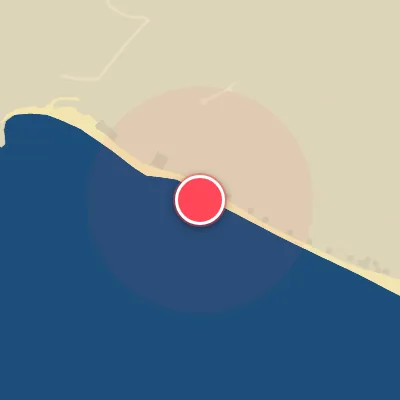
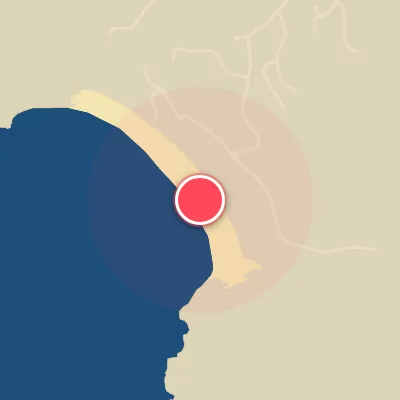
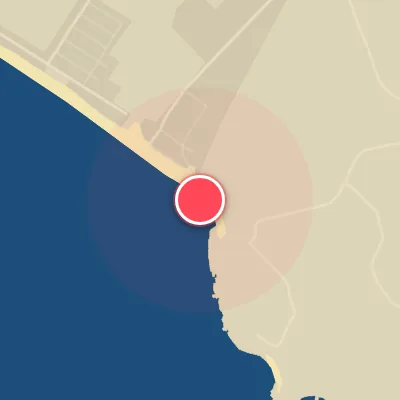
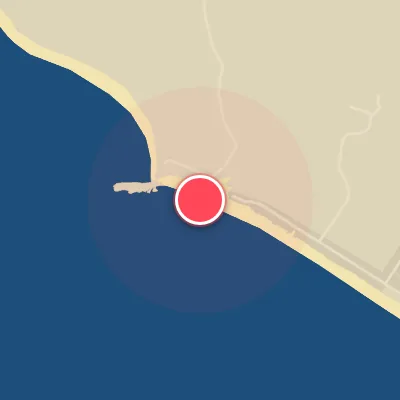
Spot Conditions Map
Hover over the hourly chart columns to update the wind & swell direction overlays on the map.
Today's Surf & Wind Forecast (Hourly)
Loading forecast text...
Spot Overview & Description
Colorado, Nicaragua, is a rivermouth sandbar that can turn Playa Colorado into a world-class wave factory when the planets align. This isn’t just another tourist trap—while the lineup buzzes with visitors, a growing local crew adds authentic stoke. Getting wet isn’t simple: you’ll need to bunk at the private Hacienda Iguana or arrive by boat. If you’re hoofing it from Rancho Santana, prepare for a proper jungle trek to earn your waves. The magic here fires on south to southwest swells, with the sweet spot between 4 and 10 feet (1.2 to 3 meters). When conditions click—low to mid-tide, with light north to northeast offshore winds—the rivermouth pumps out fast, hollow rights that barrel hard and peel with purpose. Lefts are rideable but rarely match that tube-tastic intensity. Watch out: high tide turns the lineup sloppy, and anything over double overhead walls out into a closeout mess. That north-northeast breeze is your best friend for glassy, clean faces. Expect company—Colorado draws a crowd—but the wave fans out across multiple peaks, so you rarely feel truly packed in. This spot rewards intermediate surfers who can handle a shallow, sketchy impact zone and dodge river debris after heavy rains. The prime season runs April through August, delivering consistent action for shortboarders hungry for punchy, exciting rides.
Best Surf Season & Climatology
Best Surf Season (May - October)
Playa Colorado comes alive during the Central American summer as the Intertropical Convergence Zone (ITCZ) shifts north, pumping long-period, SSW-to-SW groundswells into the coast. The trade winds remain locked in from the ENE, providing crisp offshore conditions for the majority of the day. This sweet spot combination yields punchy, rippable waves in the 1-1.5m range with occasional pumping 1.5-2m+ sets when southern hemisphere storms align. Average wave periods hover around 12-14 seconds, giving the swell real power and length. May through October consistently deliver the highest percentage of ideal wind (up to 40% in October), making this the prime window for quality surf sessions.
Fair Surf Season (April & November)
These transition months see a blend of both dying winter and emerging summer swell patterns. April still receives a healthy dose of southerly groundswell (periods around 13s) while the trade winds begin to ease, boosting offshore consistency to 17%. November marks the return of stronger ENE trades (25% ideal wind) but also a re-emergence of less favorable NE and E swell. Wave heights average 1.2m with good period (11-12s), offering fun, surfable waves on the better days, but the overall consistency and quality take a step down from the peak season.
Low Surf Season (December - March)
The winter months are dominated by the North Atlantic high-pressure system, which drives persistent, strong ENE trades and a swell regime almost entirely from the NE and ENE quadrants. For a beach facing SSW, this means the swell is largely blocked or shadowed, resulting in small, weak waves averaging 0.5-1m. Wave periods drop to a mediocre 8-9 seconds, producing choppy, low-energy surf. Although the wind is offshore, the lack of quality swell and the high percentage of onshore southerly components (from passing fronts) keep the ideal surf window below 10% for most of this period. It is the leanest time of year for consistent, rideable waves at Playa Colorado.
Detailed Surf Information for Playa Colorado
Detailed Surf Forecast
Access our detailed 8-day swell and wind forecast charts for Playa Colorado with tidal graphs, period ranges, and daily forecast text summaries.
Swell & Wind Statistics
Explore historical swell consistency, wave heights, and offshore wind windows month-by-month, compiled from over 40 years of data.
Historical Surf Report
Browse the historical database archives to view past wave reports and understand spot climatology during specific years and months.