Map
Map
Playa Pelada
Today's Surf Conditions at Playa Pelada
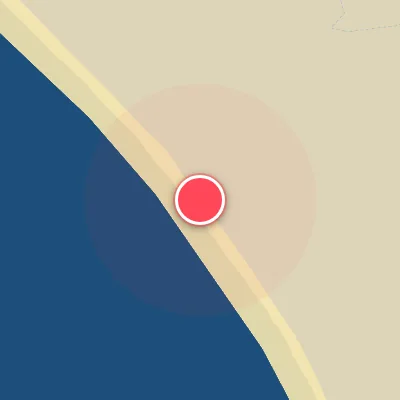
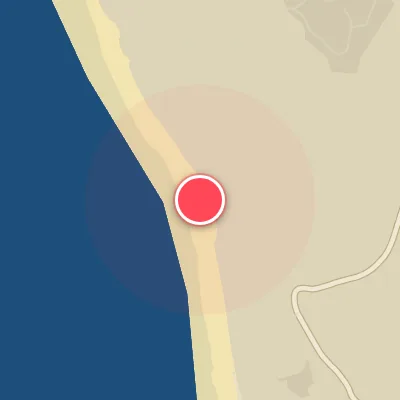
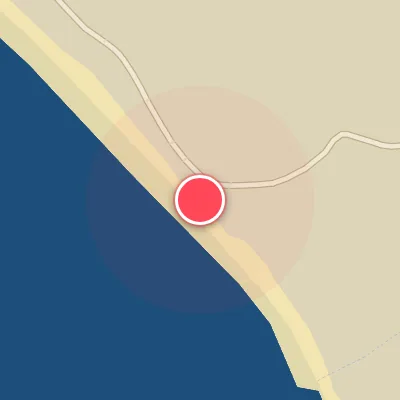
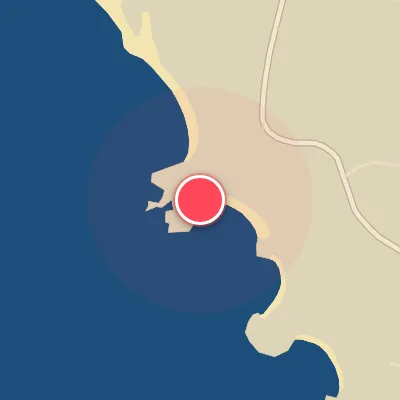
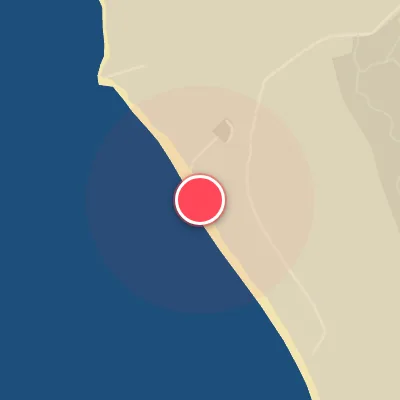
Spot Conditions Map
Hover over the hourly chart columns to update the wind & swell direction overlays on the map.
Today's Surf & Wind Forecast (Hourly)
Loading forecast text...
Spot Overview & Description
Pelada unfurls along a necklace of small, protected bays, offering a welcome buffer from the southerly wind and swell. It may not crack the top tier of surf destinations, but when the conditions align, this reef-sand hybrid delivers a session with plenty of local flavor. The vibe is mellow—think sun-bleached calm with just the right touch of salt—though it can get packed when a good set rolls in. The wave menu here is split: a slow-shouldering left on the south end, perfect for intermediate surfers looking to work on turns and trim. The real draw, however, is the right-hand gem off the middle reef. This wave awakens under a northwest swell and a pushing tide, spitting out rip-and-race walls that demand a sharper edge. It’s at its best when the swell hovers around 3 feet (0.9 meters) and the tide is mid to high—any lower and the reef starts to show its teeth. That uneven bottom snags just beyond the take-off zone, so keep your eyes on the rocks as you ride the rip out. Optimal swell direction is northwest, though a southerly pulse can still stir up some action. The take-off zone can feel like a postage stamp when crowded, and the locals won’t hesitate to claim their stretch. If you’re an intermediate surfer hungry for a quick grind and a taste of the local scene, Pelada is a solid stop. Just don’t expect perfection—expect character.
Best Surf Season & Climatology
Best Surf Season (June - August & November - December)
During these months, Playa Pelada benefits from a potent combination of powerful long-period SSW and SW swells and a consistent offshore wind regime blowing from the NE to ENE quadrant. The North Pacific storm track delivers consistent energy, and the trade winds set up clean, groomed conditions. Average wave heights hover in the 1.3-1.5m range with periods of 12-14 seconds, providing punchy, rippable waves. Summer months see the highest percentages of ideal winds (up to 67% in July), while November and December also boast strong offshore wind frequencies (63% and 60% respectively). This is the prime time to score clean, fun surf.
Fair Surf Season (April - May & October)
The shoulder months of April, May, and October offer a mix of excellent swell direction and moderate offshore wind quality. Swell remains predominantly from the SSW (over 80% in May), ensuring waves hit the beach with full force. However, the offshore wind regime is less dominant than in peak season, with ideal wind percentages around 45-49%. This means more variability and occasional onshore flow, particularly from the SW and W. When the wind plays ball, the surf can be just as good as in the prime months, but the windows of perfection can be smaller.
Low Surf Season (January - March & September)
The low season is characterized by a higher frequency of onshore winds and less favorable swell direction. In January through March, while swell energy is still present, the dominant swell directions shift more to the N through E quadrants, which do not directly hit the west-southwest exposure. Additionally, the ideal offshore wind percentages drop to 39-43%, and strong NE trades can produce bumpy, chop-prone conditions. September sees the lowest ideal wind percentage (39%) despite having almost entirely SSW-SW swell - the wind often swings onshore from the SW sector, ruining wave faces. Surfing is still possible but requires careful timing of wind and swell windows.
Detailed Surf Information for Playa Pelada
Detailed Surf Forecast
Access our detailed 8-day swell and wind forecast charts for Playa Pelada with tidal graphs, period ranges, and daily forecast text summaries.
Swell & Wind Statistics
Explore historical swell consistency, wave heights, and offshore wind windows month-by-month, compiled from over 40 years of data.
Historical Surf Report
Browse the historical database archives to view past wave reports and understand spot climatology during specific years and months.