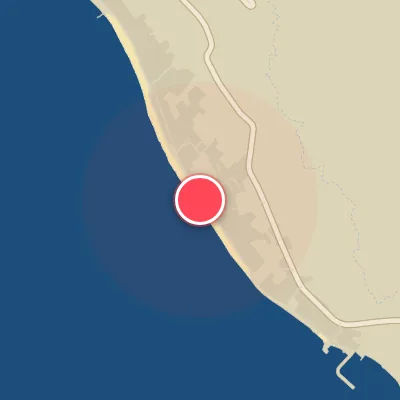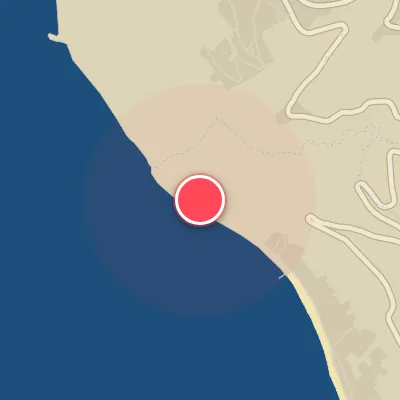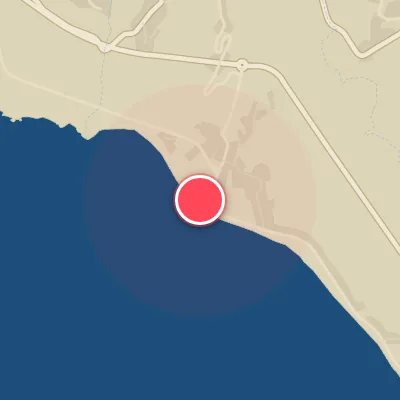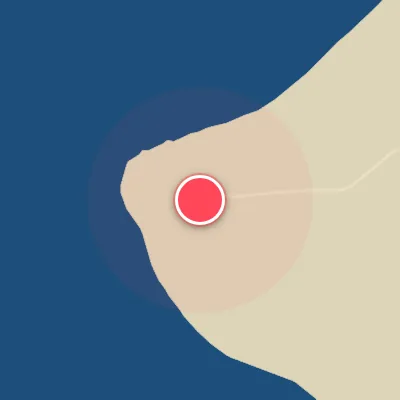

Today's Surf Conditions at Jardins do Mar
Spot Overview & Description
Jardim do Mar is a legendary right-hand point break that peels over a boulder-strewn seafloor, once crowned by Surfer Magazine as the finest big-wave point on the planet. On its best days, this wave delivers heart-stopping drops into long, lightning-fast, and deeply powerful walls that challenge even the most seasoned big-wave chargers. However, the construction of the seawall in 2003 significantly altered the lineup, making those epic sessions far rarer than they once were. When conditions align—with a solid northwest swell, favorable tides, and offshore east winds—the wave still unleashes its classic, freight-train speed, but timing is everything to catch Jardim at its world-class best.
Best Surf Season & Climatology
Best Surf Season (November - March)
When the North Atlantic storm track swings over the mid-latitudes, Jardins do Mar finally has the size and power to live up to its reputation. From November through March the average swell height sits in the 7.5-8.5ft (2.3-2.6m) range, with average periods of 12-13s. These are long-period groundswells generated by intense extratropical cyclones west of Portugal. The catch is the angle: the data consistently shows a heavy emphasis on NNW/NW swell, while the ideal SSW/SW/WSW/W window is much rarer. Still, when low pressure deepens and the NAO goes negative, the swell direction swings westerly enough to light up the southwest-facing bay. Post-frontal high pressure often delivers clean offshore flow from NNW/NW, making the winter months the most consistent for serious surf.
Detailed Surf Information for Jardins do Mar
Detailed Surf Forecast
Access our detailed 8-day swell and wind forecast charts for Jardins do Mar with tidal graphs, period ranges, and daily forecast text summaries.
Swell & Wind Statistics
Explore historical swell consistency, wave heights, and offshore wind windows month-by-month, compiled from over 40 years of data.
Historical Surf Report
Browse the historical database archives to view past wave reports and understand spot climatology during specific years and months.