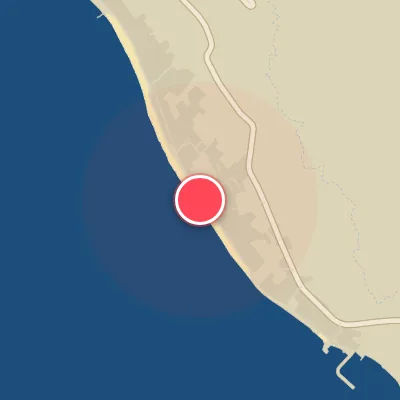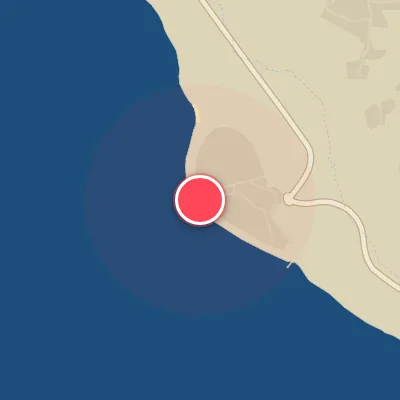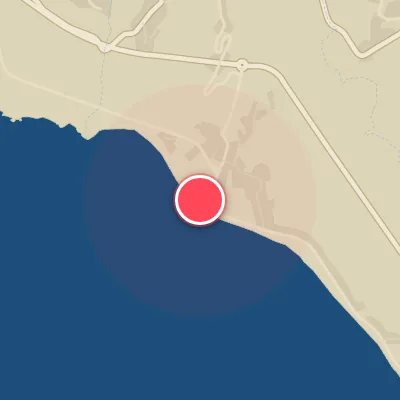

Today's Surf Conditions at Ponta do Paul
Spot Overview & Description
Ponta Paul is a rarely ridden right-hand point at Paul do Mar, a spot where legend outweighs logbooks and danger is part of the draw. From the coastal road, its waves can appear deceptively inviting when the swell starts pulsing, luring the unsuspecting eye. But beneath that glassy sheen lies a shallow bed of boulders, with waves pitching directly onto rock—a setup that demands respect and rewards only the bravest. The wave itself is a high-speed hollow freight train. On a solid swell, it can spit out massive, menacing barrels, but the takeoff is a razor-thin gamble, and the sections are ruthlessly unforgiving. This is not a wave for the faint of heart or the rusty skill set. When Ponta Paul turns on, it serves up world-class barrels to those who can earn them—and a warning to all who underestimate it.
Best Surf Season & Climatology
Best Surf Season (October - March)
The North Atlantic storm track switches on in October and Ponta do Paul starts to see serious surf. Average wave heights climb to between 6-8ft (1.8-2.4m) and periods lengthen to 11.5-12.9s, with the 1.5-2.5m range dominating the wave roses. True W/WSW/SW swell windows are rarer than the dominant NNW/NW groundswell, but when lows track close to the Portuguese coast and the angle swings into the west-southwest quadrant, this spot really feels it. Offshore winds from the NNE/NE/ENE/E quadrants blow around 40-46% of the time, producing glassy, powerful sessions. Water temperatures drop from 23°C in October to 17.9°C by March, so a solid 4/3mm wetsuit is the go-to.
Detailed Surf Information for Ponta do Paul
Detailed Surf Forecast
Access our detailed 8-day swell and wind forecast charts for Ponta do Paul with tidal graphs, period ranges, and daily forecast text summaries.
Swell & Wind Statistics
Explore historical swell consistency, wave heights, and offshore wind windows month-by-month, compiled from over 40 years of data.
Historical Surf Report
Browse the historical database archives to view past wave reports and understand spot climatology during specific years and months.