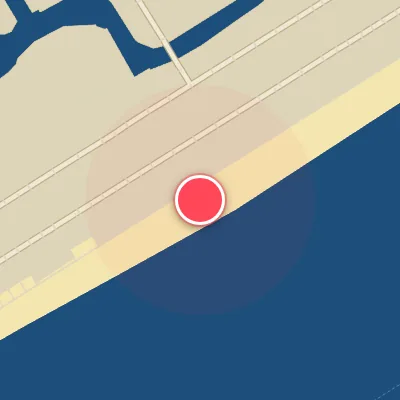
Map
Map
Stockton
Today's Surf Conditions at Stockton
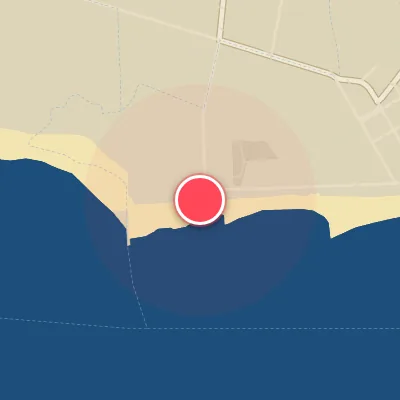
Spot Conditions Map
Hover over the hourly chart columns to update the wind & swell direction overlays on the map.
Today's Surf & Wind Forecast (Hourly)
Loading forecast text...
Spot Overview & Description
South-facing Stockton is the standout among Cape May’s southern exposures, a steady performer when others struggle for shape. The main attraction here is Stockton Lefts, peeling off a rock jetty over a shifting sand bottom. When the sandbar is cooperating—and that’s a big when these days—the lefts offer playful walls and short, punchy rides that can surprise. Recent beach replenishment has added volatility to the equation, making the sandbars more hit-or-miss than in years past. Best on a south swell with light northwest winds, and on a pushing tide to coax the jetty’s lines into form. Intermediate and advanced surfers will find the most reward, but beginners can still score if conditions align.
Best Surf Season & Climatology
Best Surf Season (October - March)
The North Atlantic roars to life during these months, and Stockton begins to see a marked uptick in both average swell height and period as strong extratropical storms march across the basin. With the south-facing orientation, the optimal swell directions from the S, SSW, SSE, and even SE become more prevalent. At the same time, the dominant high pressure builds in, delivering a higher frequency of offshore winds from N, NNW, NW, and NNE. This combination produces the most consistent and rideable waves of the year, with average heights hovering around 0.7m and periods often reaching the punchy 6-9s range. While truly firing days are rare due to the generally small size, when a low pressure sets up perfectly, we can see long period S swells wrapping in under sunny skies and light offshore breezes, creating fun, rippable conditions.
Fair Surf Season (April - May & September)
As the winter pattern fades, April and May offer a transitional mix. The swell window remains open to southern hemi swells, but the average height drops to 0.5-0.6m and periods lag around 6.6-6.7s. Offshore wind frequency decreases, and onshore southerlies become more common, especially in May. September sees a modest revival as early autumn lows begin to spin up, bringing average heights back to 0.6m and the highest average period of the year at 8.0s. However, the wind becomes a bigger factor, with ideal offshore conditions only 9% of the time. During these shoulder months, you have to pick your windows carefully to find clean, waist-high surf.
Low Surf Season (June - August)
Summer is the doldrums at Stockton. The North Atlantic settles down, and the dominant swell is from the SE, SSE, and S, but almost exclusively under 0.5m. The average height drops to 0.4m with periods up to 7.3s, but the combination of small, weak swell and frequent onshore winds from the S, SSW, and SW makes for choppy, messy conditions. Offshore wind is a rare commodity, clocking in at only 2-4% of the time. The few rideable days come from a stray tropical storm or a brief northerly wind event, but generally it's a time for groveling on micro-swell or enjoying other water activities. The surf is simply too small and wind-affected to produce quality waves.
Detailed Surf Information for Stockton
Detailed Surf Forecast
Access our detailed 8-day swell and wind forecast charts for Stockton with tidal graphs, period ranges, and daily forecast text summaries.
Swell & Wind Statistics
Explore historical swell consistency, wave heights, and offshore wind windows month-by-month, compiled from over 40 years of data.
Historical Surf Report
Browse the historical database archives to view past wave reports and understand spot climatology during specific years and months.