Map
Map
Tywyn
Today's Surf Conditions at Tywyn
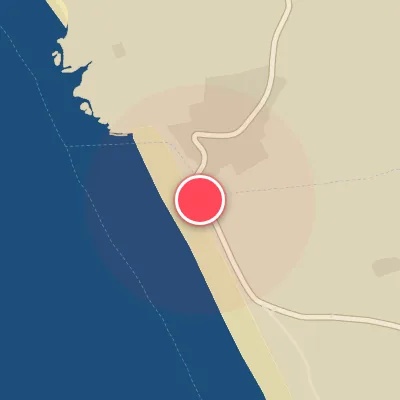
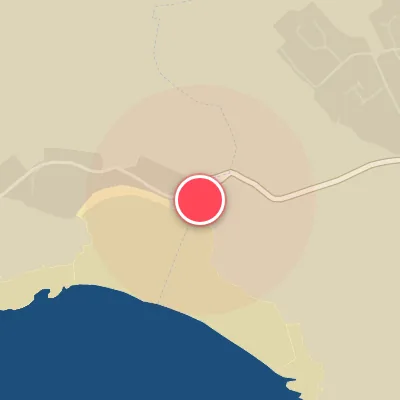
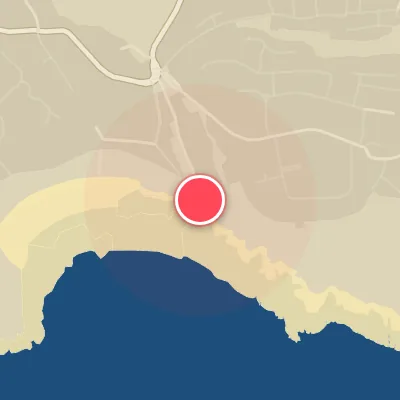
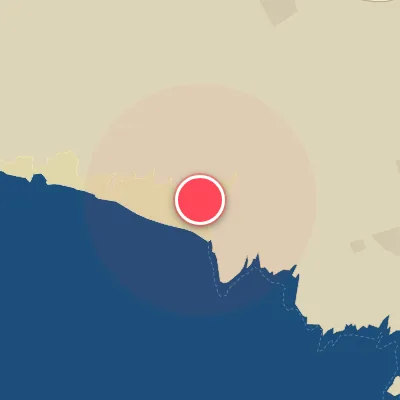
Spot Conditions Map
Hover over the hourly chart columns to update the wind & swell direction overlays on the map.
Today's Surf & Wind Forecast (Hourly)
Loading forecast text...
Spot Overview & Description
Tywyn delivers when the west-southwest wind blows clean offshore, setting up peeling lines along this exposed stretch of Welsh coastline. The predominant swell angles come from the southwest through west, with the most consistent action arriving on a moderate to medium groundswell. Tides play a significant role here—low to mid-tide tends to steepen the faces and produce faster, more critical sections, while a rising or high tide can fatten up the shape, offering a mellower ride. The wave itself is a classic beach break, sensitive to sand movement, so the lineup and takeoff zone shift with seasons and storms. Best suited for intermediate and advanced surfers who can handle punchy drops and quick sections; beginners may find the shifting peaks and occasional rips challenging. Check live cams and buoy data before you paddle out, as the conditions can change rapidly with the tide and wind shifts. Stay alert, pick your peak, and enjoy the rugged charm of this underrated spot.
Best Surf Season & Climatology
Best Surf Season (October - March)
The North Atlantic delivers its fiercest storms during these months, pumping consistent, powerful SW to WNW swell into Tywyn's west-south-west facing beach. Average wave heights hover around 1.0-1.1m with periods frequently in the 8-9 second range, offering punchy, rideable surf. However, the dominant wind direction is also from the SW to W, blowing directly onshore a majority of the time. The key to unlocking the best waves lies in high-pressure systems over Scandinavia or a negative NAO pattern, which can set up crisp offshore winds from the E to NE quadrant. When that rare alignment occurs, you get clean, long-period swell wrapping in – that's when Tywyn truly fires. The ideal wind percentage maxes out at around 12%, so patience and a keen eye on the forecast are essential.
Fair Surf Season (April - May & September)
As the North Atlantic storm track begins to shift northward in spring, swell heights drop to an average of 0.6-0.7m with periods shortening to the 6-8 second range. The surf becomes smaller and more inconsistent, but the reduced swell often coincides with lighter winds. April and May see an increase in E to NE winds (offshore) but also a higher frequency of light onshores. September marks the transition back toward winter, with a slight uptick in swell size and period (0.7m, 6.8s) and a similar ideal wind window of around 6%. These months offer occasional fun, groveling sessions when a late-season or early-season low sends a clean swell and the wind plays ball. Expect mostly small to fun-sized waves with some punchy sets on the better days.
Low Surf Season (June - August)
Summer is the most challenging time for surf at Tywyn. The North Atlantic storm track retreats far north, and the prevailing wind shifts to a persistent onshore flow from the SW and W. Average swell heights bottom out at just 0.5m with periods as low as 6.0 seconds, resulting in mostly choppy, weak, and messy conditions. The ideal wind percentage plummets to a mere 2-3%, meaning offshore winds are exceptionally rare. While the occasional distant storm can send a small, long-period pulse, the combination of small swell and mostly onshore wind makes for a long stretch of poor surf. This is a good time to focus on other activities or travel to more exposed spots with summer trades, but when the stars align and a rare easterly breeze meets a modest SW groundswell, you can still find a few small, clean waves at dawn.
Detailed Surf Information for Tywyn
Detailed Surf Forecast
Access our detailed 8-day swell and wind forecast charts for Tywyn with tidal graphs, period ranges, and daily forecast text summaries.
Swell & Wind Statistics
Explore historical swell consistency, wave heights, and offshore wind windows month-by-month, compiled from over 40 years of data.
Historical Surf Report
Browse the historical database archives to view past wave reports and understand spot climatology during specific years and months.