- Home
- ...Europe
 United Kingdom
- Saltburn
Today's Surf Conditions at Saltburn
Spot Overview & Description
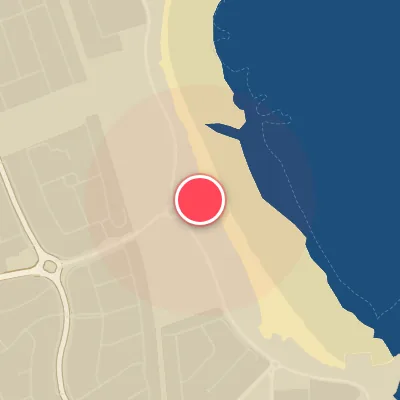
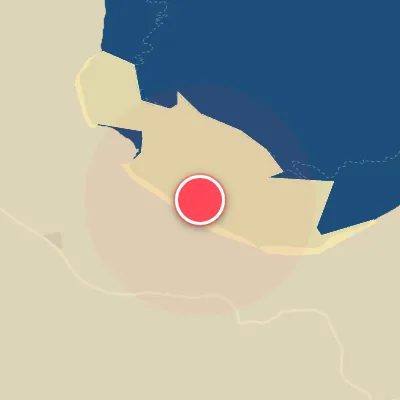
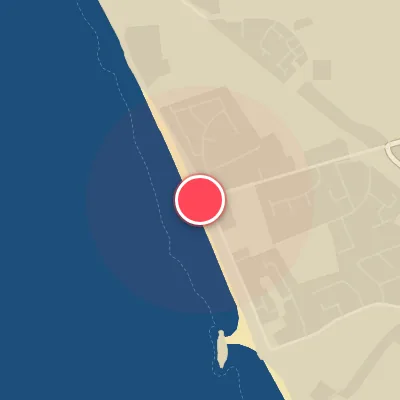
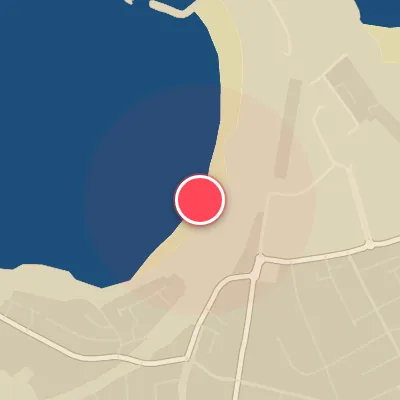
Saltburn Beach serves as the beating heart of East Coast surfing, a slow but celebrated beachbreak that draws a dedicated local crew. The main stretch of sand is nothing to write home about on its own, but when conditions align, shifting sandbars in the shadow of the pier can produce surprisingly punchy, quality waves that reward patience and local knowledge. To the south, Penny Hole offers a mixed bag of sand and cobblestone, peeling both left and right from the jetty, making for a versatile option when the main beach is crowded. At the far southern end, Saltburn Point is a different beast entirely—a slabstone reef that only truly awakens on lined-up swells, serving up fast, racetrack right-handers that demand respect and a willingness to commit.
Best Surf Season & Climatology
Best Surf Season (October - March)
Saltburn hits its stride when the North Atlantic storm track wakes up in autumn. From October through March, the average swell height sits in the 4-5ft (1.2-1.5m) range with wave periods hovering between 7.5 and 7.8s. The dominant swell directions-NNW, NNE and N-all line up with the beach's NNE-facing exposure, while the winter wind regime is dominated by S, SSW and SW flow. That means the North Sea windswell usually arrives with an offshore, groomed surface. It's not long-period groundswell; it's punchy, raw, locally generated wave energy, but it's consistently the best and most reliable surf of the year.
Detailed Surf Information for Saltburn
Detailed Surf Forecast
Access our detailed 8-day swell and wind forecast charts for Saltburn with tidal graphs, period ranges, and daily forecast text summaries.
Swell & Wind Statistics
Explore historical swell consistency, wave heights, and offshore wind windows month-by-month, compiled from over 40 years of data.
Historical Surf Report
Browse the historical database archives to view past wave reports and understand spot climatology during specific years and months.