- Home
- ...North America
 United States
- Daytona Beach
Today's Surf Conditions at Daytona Beach
Spot Overview & Description
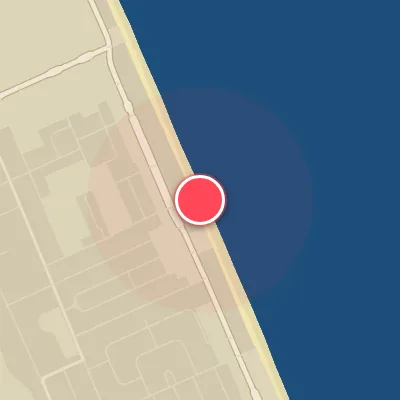
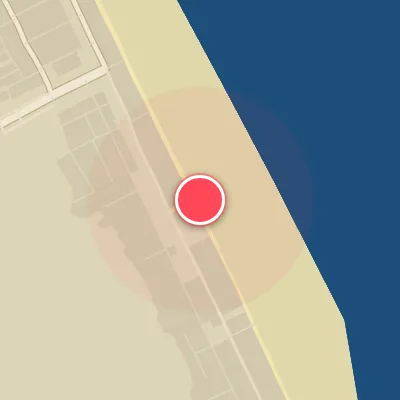
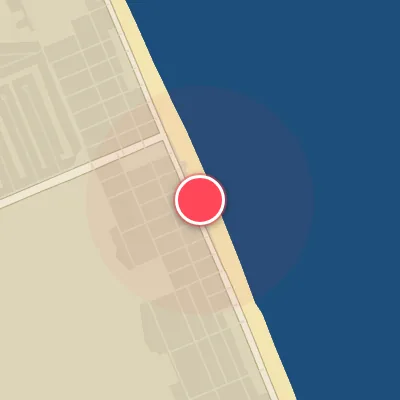
Daytona Beach serves up a classic, high-traffic sand-bottom surf zone centered around the iconic Main Street Pier. On the north side, Pier Bowls can deliver hollow, rippable rights that reel off with surprising length when conditions align. The south side tends to run more mechanical and walled, though it can occasionally pitch into short, bowly sections when the right swell and tide stack up. Overall, the wave quality here is average, with a wide variety of peaks stretching along the coast, none of which are particularly consistent or world-class. Still, Daytona remains a valuable proving ground for newer surfers looking to log plenty of reps in a forgiving, beach-break setting.
Best Surf Season & Climatology
Best Surf Season (November - March)
Daytona Beach faces ENE, so the best swells arrive from NNE, NE, ENE and E while clean conditions require offshore wind from SSW through W. The November to March window offers the most reliable combination of those ingredients, even though the average near-shore wave height remains modest at roughly 1.6-2.3ft (0.5-0.7m). Winter cold fronts push across the southeastern United States and the western Atlantic, and the resulting pressure gradients generate nor'easters and easterly trade swells that send rideable energy toward the beach. Average periods of 8.0-8.5s place the surf in the average, punchy, rideable category, and occasional longer-period groundswell can push individual days into the fun to solid range.
The ideal offshore wind frequency peaks in January and February at about 21 percent and stays near 17-20 percent in November, December and March. Those windows usually appear ahead of a cold front with SW to W wind, or behind a front when the flow turns NW and W. The trade-off is that northeasterly onshore wind is also common, especially during nor'easter events, so the difference between a clean, rippable peak and a bumpy, blown-out session can be small. Water temperatures fall from about 22.9°C (73.2°F) in November to 19.0-20.9°C (66.2-69.6°F) in winter, so a springsuit or full suit is often useful.
Detailed Surf Information for Daytona Beach
Detailed Surf Forecast
Access our detailed 8-day swell and wind forecast charts for Daytona Beach with tidal graphs, period ranges, and daily forecast text summaries.
Swell & Wind Statistics
Explore historical swell consistency, wave heights, and offshore wind windows month-by-month, compiled from over 40 years of data.
Historical Surf Report
Browse the historical database archives to view past wave reports and understand spot climatology during specific years and months.